
Last updated November 14, 2026
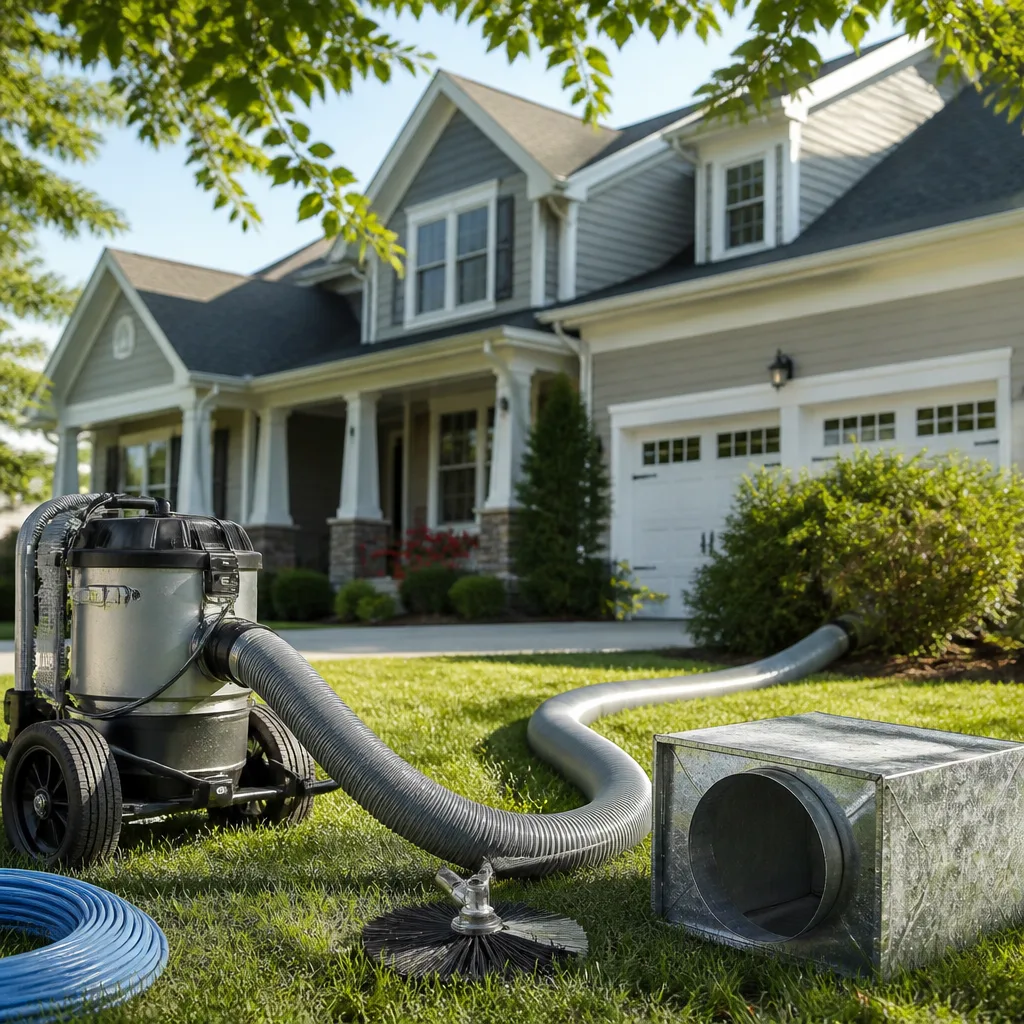 Whole-home duct cleaning
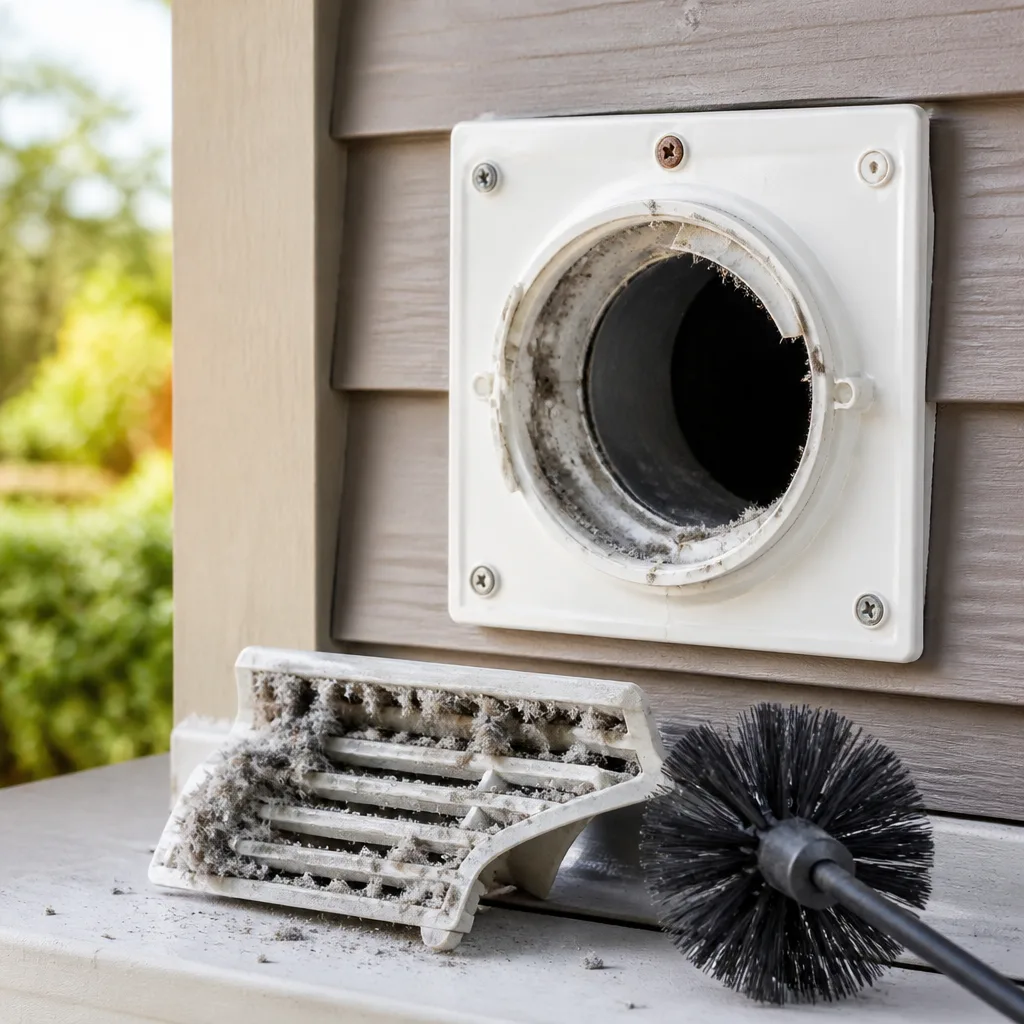 Dryer vent cleaning
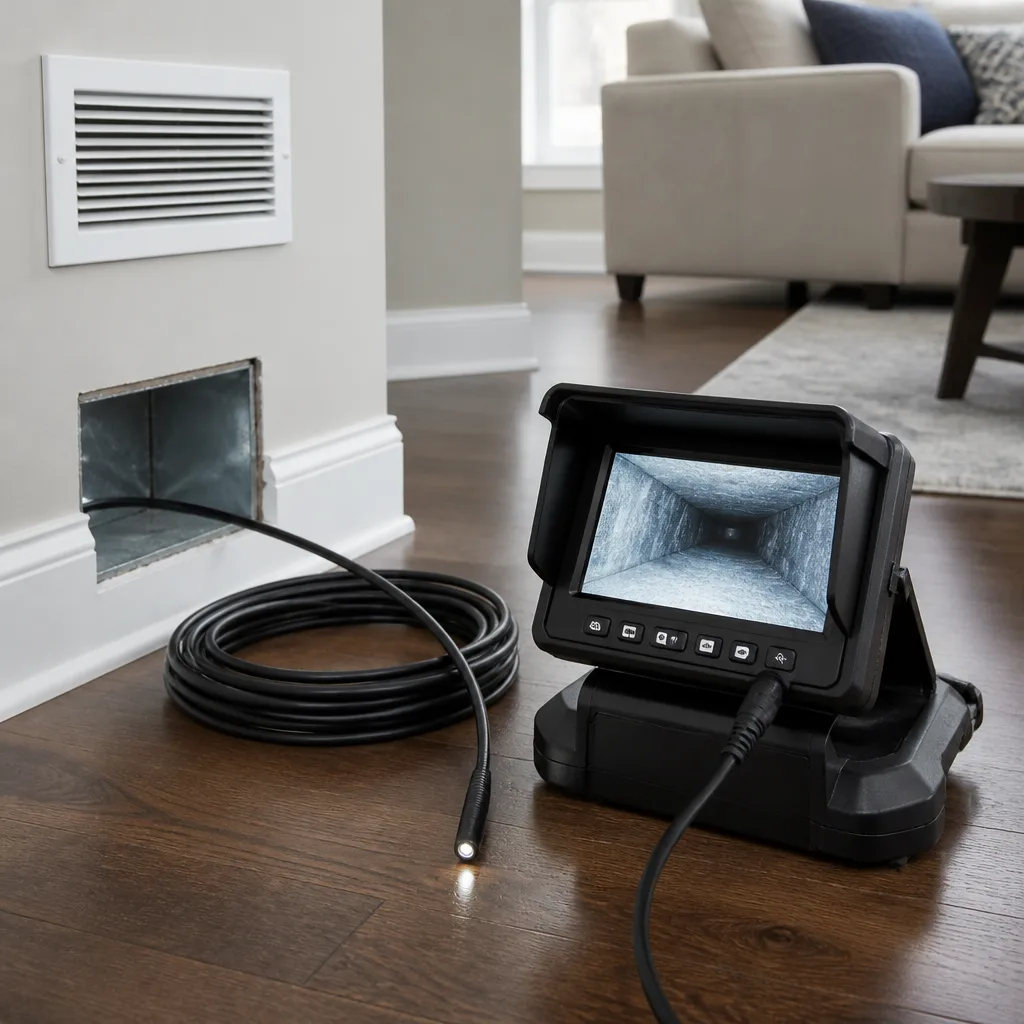 Camera inspection
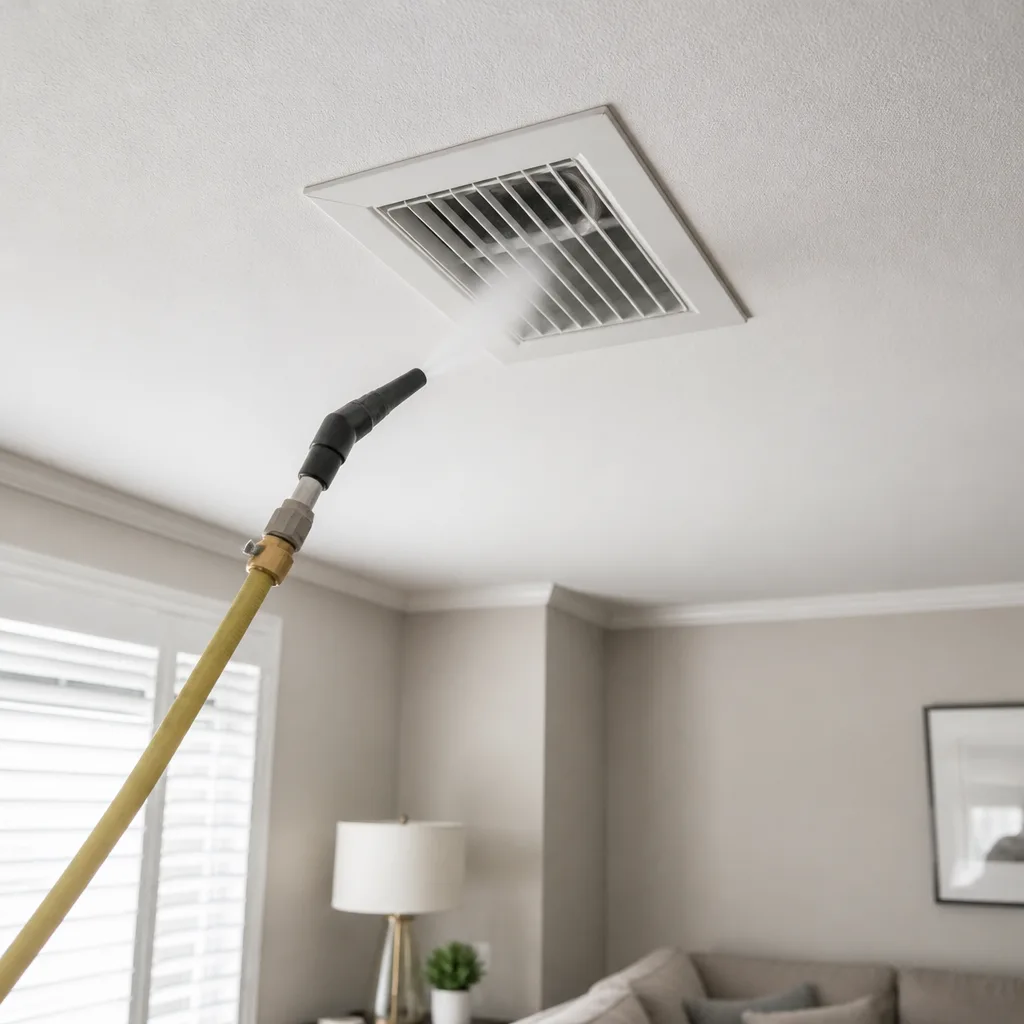 Sanitizing & deodorizing
Whole-system duct and dryer vent check with before-and-after photos - you see exactly what came out of your vents
That "$99 whole-house special" is a bait ad - the real number appears once they are in your hallway, or the "clean" is a shop-vac at the register. We photograph the inside of your ducts before and after instead.
Air Duct Cleaning Emergency Preparedness Guide for Stamford Homes
The usual advice after a basement flood in Stamford is to call a water damage company and let them handle everything. But there’s a gap in that advice that catches a lot of homeowners. If your air handler sat in standing water and the duct system pulled in moisture and debris, turning the system back on before anyone has opened the ductwork and assessed what it swallowed means you’re pushing contaminated air into every room of the house. This guide walks through how duct emergencies actually break down in Stamford, what each type requires, and what to do (and not do) before turning the system back on.
Quick Answer
Duct emergencies in Stamford almost always come from one of three events: flooding, fire or smoke, or pest infestation. Each one needs a different response, and the wrong one (especially running the HVAC system to “test” it) can push contaminants through the whole house. The right move is to leave the system off, call a professional who can inspect and remediate the duct system itself, and document everything with photos before anyone touches the equipment.
Styles & brands we work with
- Whole-home duct cleaning
- Dryer vent cleaning
- Camera inspection
- Sanitizing & deodorizing
Table of Contents
- The Three Events Behind Most Duct Emergencies in Stamford
- After a Flood: The Post-Flood Duct Protocol
- After a Fire or Smoke Event: Soot vs. Smoke Damage
- Pest Infestation: When Ducts Need Biohazard Handling
- HVAC Failure in Extreme Cold: Check the Ducts First
- Documenting Duct Damage for Insurance Claims
- What Proper Equipment Looks Like
- When to Call a Professional
The Three Events Behind Most Duct Emergencies in Stamford
When people search for air duct cleaning after an emergency, they’re usually responding to one of three events. Flooding. Fire or smoke. Pest infestation. Occasionally a fourth: a heating system that quiet-failed in a cold snap because a duct came apart behind a wall.
Why does the response have to be different for each one? Because the contamination is different. Floodwater carries silt, sewage, and biological material that settles into ductwork and liner. Smoke leaves acidic residue that can etch metal surfaces and degrade insulation. Rodent activity leaves urine, droppings, and nesting material that needs biohazard handling, not just vacuuming. A protocol that works for smoke is not the protocol that works for a flooded crawlspace.
Stamford homes add a wrinkle. The city’s mix of older colonials, mid-century ranches, and renovated capes in neighborhoods like Glenbrook, Springdale, and the West Side often have duct systems that were upgraded piecemeal over decades. Flexible duct runs spliced into rigid trunk lines, returns that share an interior wall cavity with plumbing, and air handlers tucked into closets that don’t drain well. After a water event, those tight closet installs trap moisture in the duct liner and can hold it for days.
Here’s the framing that matters: this is an infrastructure decision, not a panic reaction.
- Turn the system off. Don’t “test” it to see if it still works.
- Document with photos before anything is moved or cleaned.
- Call a duct specialist who can inspect and remediate the whole system, not just a cleaner with a vacuum.
- Ask what equipment they’re bringing. Contractors using Rotobrush and Nikro systems, and who keep Abatement Technologies equipment for HEPA-level negative-air containment, are equipped for the job. Someone with a shop vac is not.
Each of the following sections is a full protocol for one of these events. Read the one that applies to your situation, then read the insurance section. That’s where the money actually lives.
After a Flood: The Post-Flood Duct Protocol
The first instinct after water in the basement is to call a water damage company and hand off the whole problem. That’s fine for drywall, flooring, and framing. But typical water remediation contracts don’t cover the interior of your duct system. The remediation crew dries the basement. The ducts stay wet. That’s the gap.
If your air handler, furnace, or duct trunk sat in standing water, the duct system is a separate remediation job. Here’s what to do, in order:
- Turn off the HVAC system at the thermostat and at the breaker. Do not run the fan to “dry things out.” Running the fan pulls moist air through the ducts and can push silt and contaminants deeper into the liner and the rest of the house.
- Tell the water remediation company what you have. Let them know where the air handler is, whether it was in standing water, and whether the ductwork runs through the wet area. Ask them to dry the space around the duct system, even though they won’t clean inside it.
- Photograph everything. The water line on the air handler. The duct connections. Any visible debris or standing water inside accessible trunks.
- Call a duct specialist for an inspection. A proper post-flood inspection means opening access points, checking the liner in every accessible run for moisture and delamination, checking the trunk line and coil housing for silt, and assessing whether the liner needs to be dried, cleaned, or replaced.
- Only restart the system after the ducts are dry and cleared. Running a wet duct system can corrode the blower housing, spread mold spores, and damage the coil.
One more thing often missed: flooded crawlspaces and basement ductwork in Stamford’s older homes frequently include duct board trunks and interior-lined flex runs. Once that material absorbs floodwater, it typically can’t be dried to a safe condition. Cleaning doesn’t fix it. Replacement does. A specialist who can perform air duct repair here is preferable to one who only cleans, because they can identify the runs that need replacement on the same visit rather than handing you a referral.
After a Fire or Smoke Event: Soot vs. Smoke Damage
There’s a distinction that matters enormously after a house fire: surface soot and chemical smoke damage are not the same problem. Surface soot is what you can see. Chemical smoke damage is what soaked into the duct liner, the gaskets, and the coil housing.
Soot on accessible metal surfaces is addressable by a standard professional duct cleaning. The equipment matters (a proper negative-air setup with HEPA filtration is the baseline), but the scope is familiar. Cleaning removes what’s on the surface.
Smoke damage is different. Fire smoke is acidic. It carries residues from burning plastics, foam, and synthetic materials, and those residues settle into the porous interior liner of flex duct and duct board. Cleaning the surface doesn’t neutralize it. Even if the liner looks clean, the smell can come back the first time the system heats up. In those cases, the correct fix is liner replacement or encapsulation, not another cleaning pass.
How to tell the difference in practice:
- If visible soot is present but there’s no persistent acrid odor and the liner is intact, cleaning is usually the right scope.
- If the smell is strong and returns after cleaning, or if the liner is stained, brittle, or separating, plan on replacement or encapsulation.
- If the fire was in an attached garage, kitchen, or adjacent to the air handler closet, assume the duct system absorbed smoke until an inspection proves otherwise.
For post-fire duct work, ask specifically what containment the contractor uses. Abatement Technologies equipment provides HEPA-level negative-air containment, which keeps soot and smoke residue from migrating through the house during the cleaning itself. That’s not an upsell. It’s the difference between cleaning the ducts and re-contaminating every room while you try.
Pest Infestation: When Ducts Need Biohazard Handling
Finding mice in the attic is one thing. Finding them in the ductwork is another. Rodent activity inside an air distribution system creates conditions that a standard cleaning run does not address, and this is where homeowners most often get a false sense of resolution.
What’s actually in the ducts after an infestation:
- Nesting material pulled in from insulation, papers, and fabric.
- Droppings and urine soaked into duct board, flex liner, and insulation wrap.
- Dead animals in hard-to-reach runs.
- Chewed flex duct, disconnected joints, and gaps where pests entered.
Urine and droppings are a biohazard. They require handling protocols, not a quick vacuum, and the contractor needs personal protective equipment, proper containment, and disposal procedures. In duct board and flex, the material is porous enough that contamination usually isn’t fully removable by cleaning. The realistic scope is removal and replacement of affected runs, with sanitizing of rigid metal sections using a recognized product line like Guardsman, followed by sealing the entry points.
What to ask a contractor before you book:
- What biohazard protocols do you follow? PPE, containment, disposal. If the answer is vague, book someone else.
- Will you inspect for entry points? Cleaning without sealing means re-infestation in a season.
- Can you replace damaged flex and reconnect runs? Ask about repair capability, not just cleaning.
- Do you use name-brand treatment products? Guardsman is a commonly used line. Off-brand chemicals are worth asking about.
In our experience, pest jobs are the ones where we most often find damage that a cleaning-only crew cannot address. A disconnected return behind a kitchen cabinet, or a chewed trunk connection in a Stamford cape’s knee wall, needs air duct repair before any cleaning is meaningful. Cleaning a system with a gap in it just means the vacuum pulls from the gap and the duct stays dirty.
HVAC Failure in Extreme Cold: Check the Ducts First
When the heat stops working during a hard cold snap, the instinct is to call an HVAC company for a service call. Sometimes that’s right. But there’s a specific failure mode where the heating equipment is fine and the ductwork is the problem, and that gets missed.
Before you call, do three quick checks:
- Is the blower running? If the blower runs but you don’t feel heat at the registers, you have a delivery problem, not a generation problem.
- Walk the house. Is one room cold and the rest warm? That suggests a disconnected or crushed duct feeding that room, not a furnace issue.
- Check the filter and the return grille. A collapsed filter or blocked return starves the system and mimics a heating failure.
What frequently goes wrong in Stamford’s older housing stock: flex duct runs in unconditioned attics and crawlspaces get crushed or disconnected. A connector at a boot pops off. A trunk line comes apart at a joint after decades of thermal cycling. In a 1950s ranch in Springdale or a converted multi-family near downtown, an entire zone can lose heat because one duct came undone in the attic and the furnace is fine.
An emergency HVAC call to a company that only services the equipment will find a working furnace and send you a bill. If the real problem is a disconnected duct, the fix requires a duct specialist who can access, inspect, and repair the duct system. Ask the HVAC company to check the duct connections during their diagnostic. If they find one is broken or crushed, you need a duct contractor, not another equipment service visit.
Safety note: if you smell gas, hear a crackling from the furnace, or see soot around the flue, shut the system off and call your gas utility or the fire department immediately. Do not investigate that yourself. Duct and airflow issues are one thing; combustion and gas are another.
Documenting Duct Damage for Insurance Claims
Duct remediation after a covered event is sometimes denied or underpaid because the documentation doesn’t show the damage clearly. Most homeowners insurance in Connecticut will cover duct damage that’s a direct consequence of a covered peril (a burst pipe, a fire, a storm-driven water event), but the burden is on you to show it.
Here’s what to have ready before you submit a claim:
- Photos of the point of origin. The burst pipe, the flooded area, the fire scene. Taken before cleanup begins.
- Photos of the air handler and duct components. Water lines on metal, visible debris inside access points, damaged or detached duct connections.
- A written inspection report from a duct specialist. This should state what was inspected, what was found, what remediation is required, and why. It should distinguish between cleaning-scope damage and replacement-scope damage.
- Before-and-after photos of the ducts themselves. Not just the room, the ductwork.
- Technician findings. Notes from the contractor about moisture readings, liner condition, and any contamination found in specific runs. This level of detail is what separates a paid claim from a denied one.
Ask the contractor upfront whether they document jobs to insurance standard. If they don’t, the claim gets harder. This is one more reason to use a specialist who inspects and repairs, not just cleans. The report needs to describe the repair scope, not just the cleaning scope. Our technicians have up to 14 years of experience working with homeowners who are documenting a loss, and the report format matters as much as the work itself.
What Proper Equipment Looks Like
If you take one thing from this guide besides the protocols, take this: equipment is the proof point. Emergency duct work is where the difference shows up most clearly, and it’s also where the least-qualified operators get exposed.
What a professional setup includes:
- Professional-grade duct cleaning systems. Rotobrush and Nikro are the industry-standard names, and they’re what certified HVAC and restoration crews use. They’re designed for whole-system work from the duct opening to the main trunk line, not just what’s visible from a register.
- HEPA-level negative-air containment. Abatement Technologies equipment is standard for jobs where the contaminants can’t be released into the home during cleaning. Post-fire, post-flood, and pest jobs all warrant this level of containment.
- Repair capability. Cleaning equipment doesn’t fix disconnected, chewed, or crushed ducts. A company that can also do the repair, on the same visit, is the difference between one job and three.
- Indoor-air-quality products. Honeywell and Aprilaire filtration and humidity-control products are integrated into the system after remediation is complete, not as a substitute for it. If a contractor pitches filtration as a fix for a flooded duct, that’s the wrong answer.
- Recognized treatment products. Guardsman is a name-brand line. Ask what’s being applied, and why.
The gap between a proper remediation job and a cheap cleaning run is wide after an emergency. Consumer-grade blowers and generic vacuums can’t pull from deep in the trunk, can’t contain contaminants, and can’t repair damage. Ask what equipment is coming to the house.
Common Mistakes to Avoid
- Turning the HVAC system on to see if it works. Running the fan after a flood, fire, or pest event distributes contaminants through every room. Turn it off at the breaker and leave it off.
- Assuming the water damage company handles the ducts. Standard remediation scopes cover walls, floors, and framing. The interior of the duct system is almost always excluded. Mention the duct exposure to them so they know, but call a duct specialist separately.
- Booking a cleaning-only contractor for a pest job. Rodent urine and nesting material require biohazard handling and often replacement. Cleaning contaminated flex and reconnecting the system without addressing the entry points is a waste of money.
- Skipping the documentation. Once the room is cleaned up, the evidence is gone. Take photos before anything moves and get a written inspection report before the crew starts work.
- Blaming the furnace for a duct problem in cold weather. In an old Stamford cape or ranch, a disconnected attic duct can starve a whole zone. Check the duct connection before you call for an equipment service.
- Trusting a very low price after a fire or flood. A coupon-price cleaning run cannot address smoke-damaged liner or contaminated duct board. If the bid is far below the others and doesn’t mention containment or repair, the scope isn’t the same job.
- Forgetting the dryer vent. After a fire event or a renovation, have the dryer vent cleaning done as well. Lint accumulation is the leading cause of dryer fires, and it’s a fast, focused service that closes one of the easiest safety gaps in the house.
See the difference
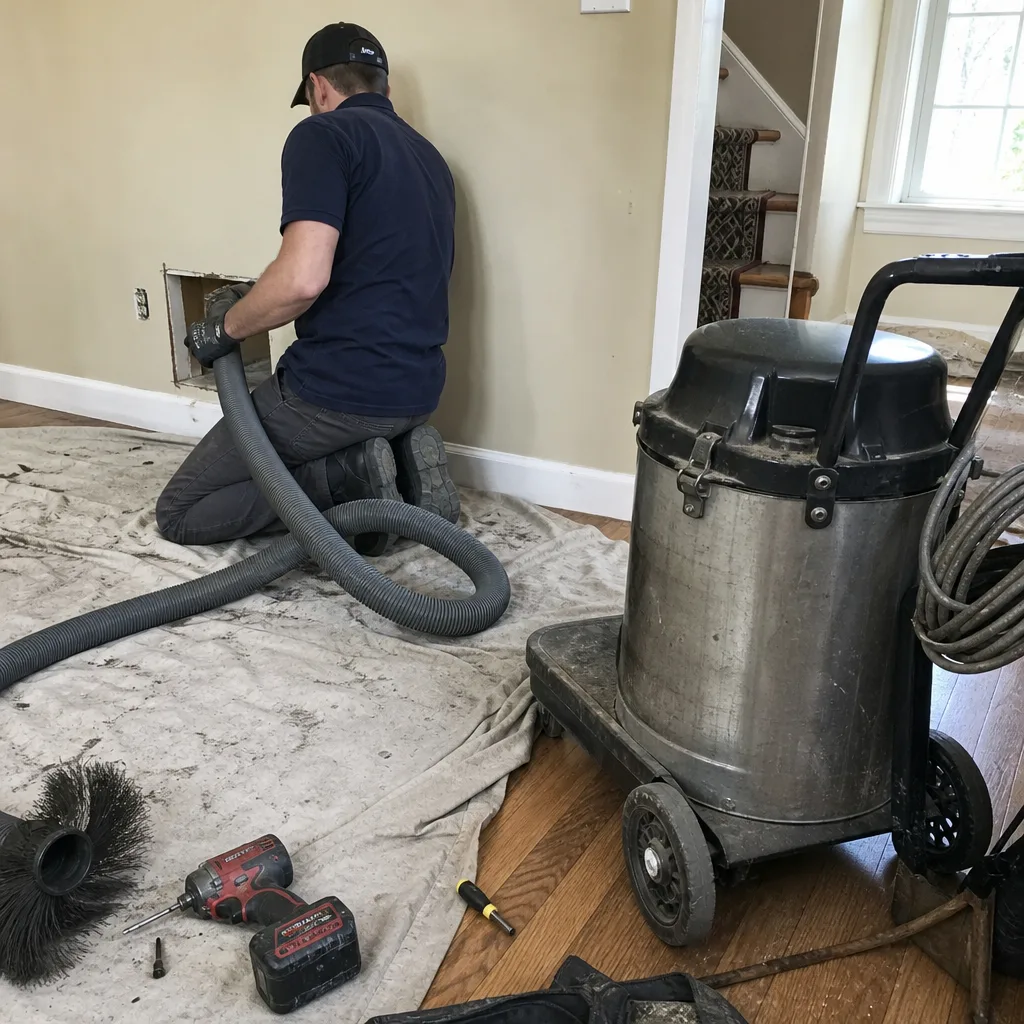 Before
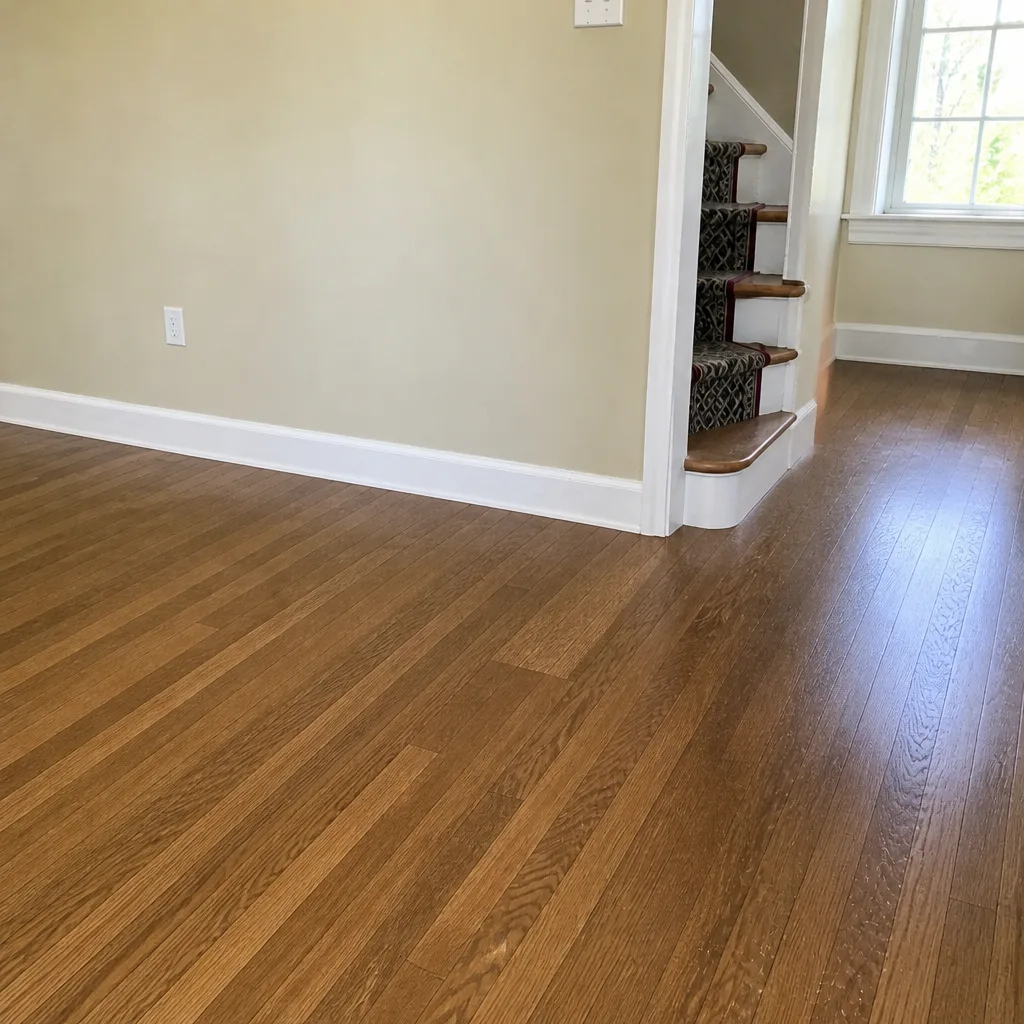 After
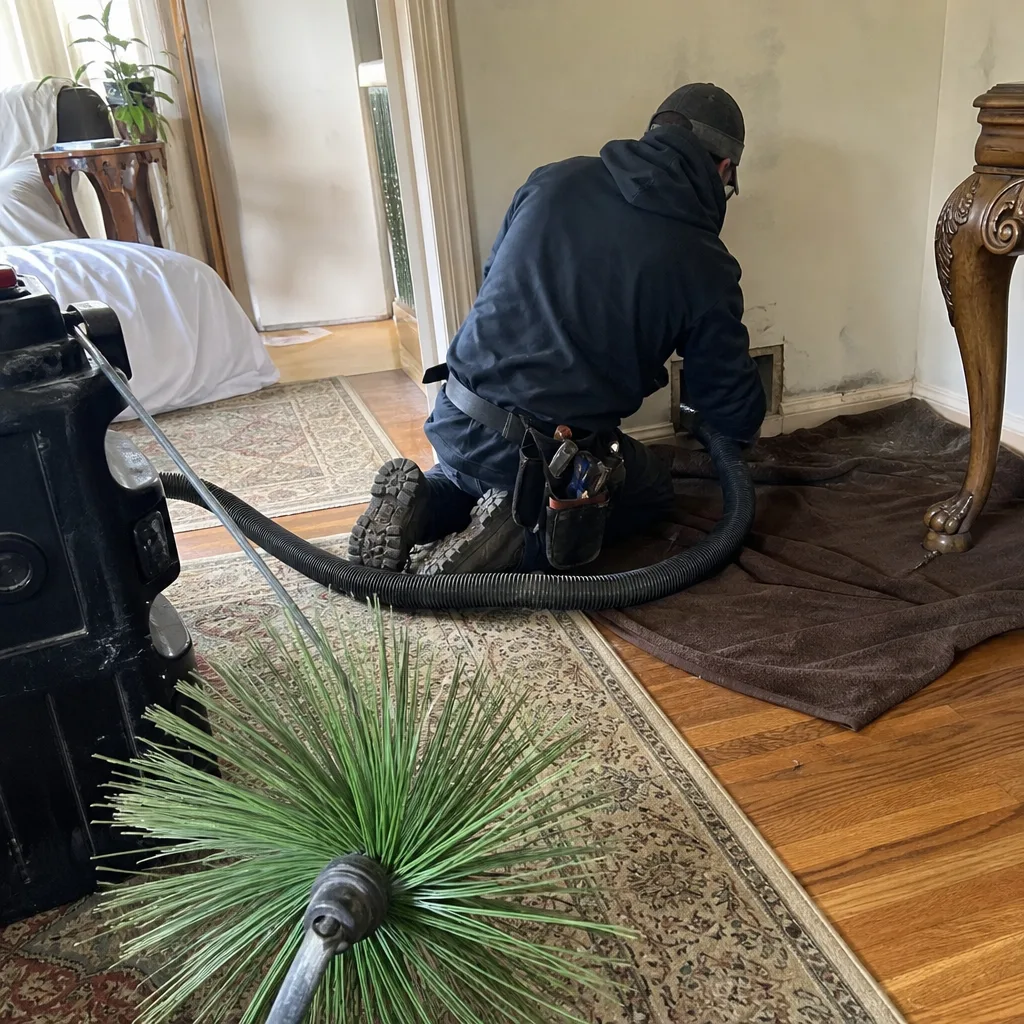 Before
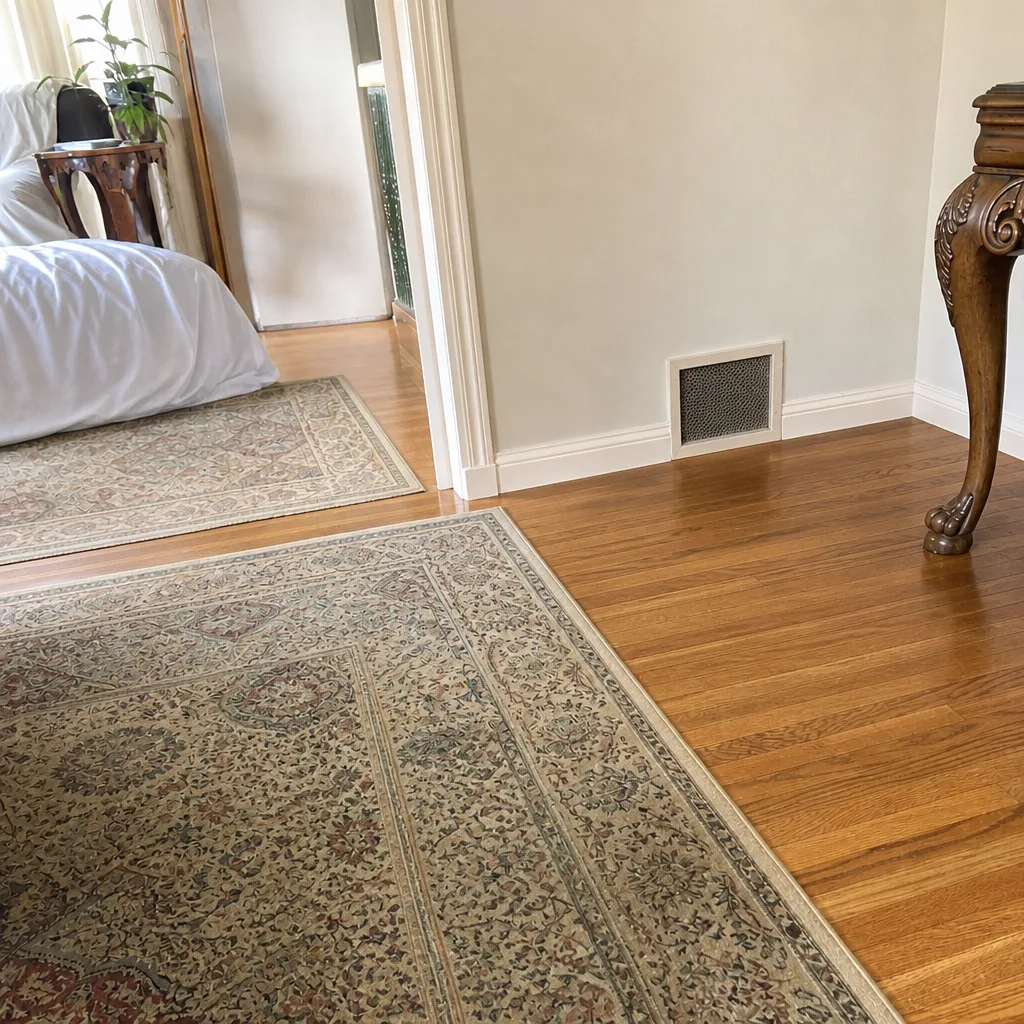 After
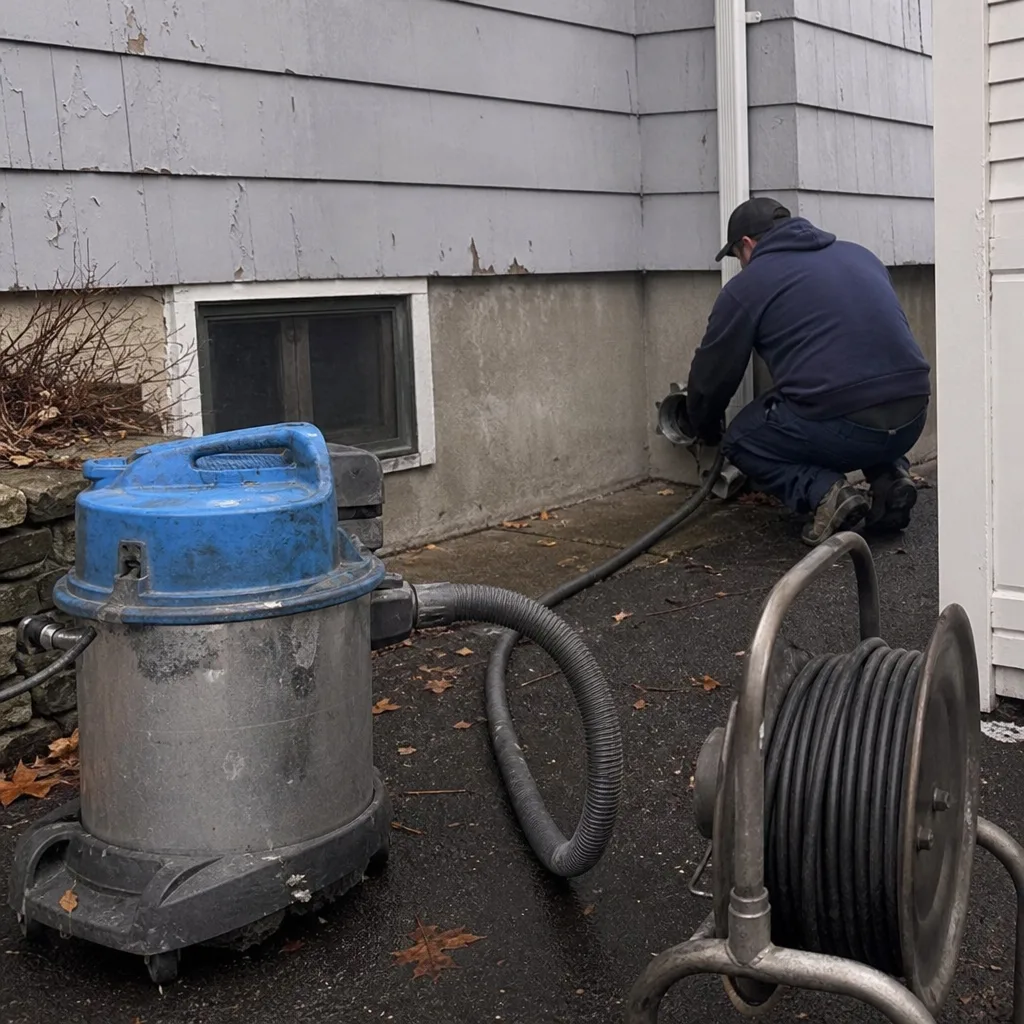 Before
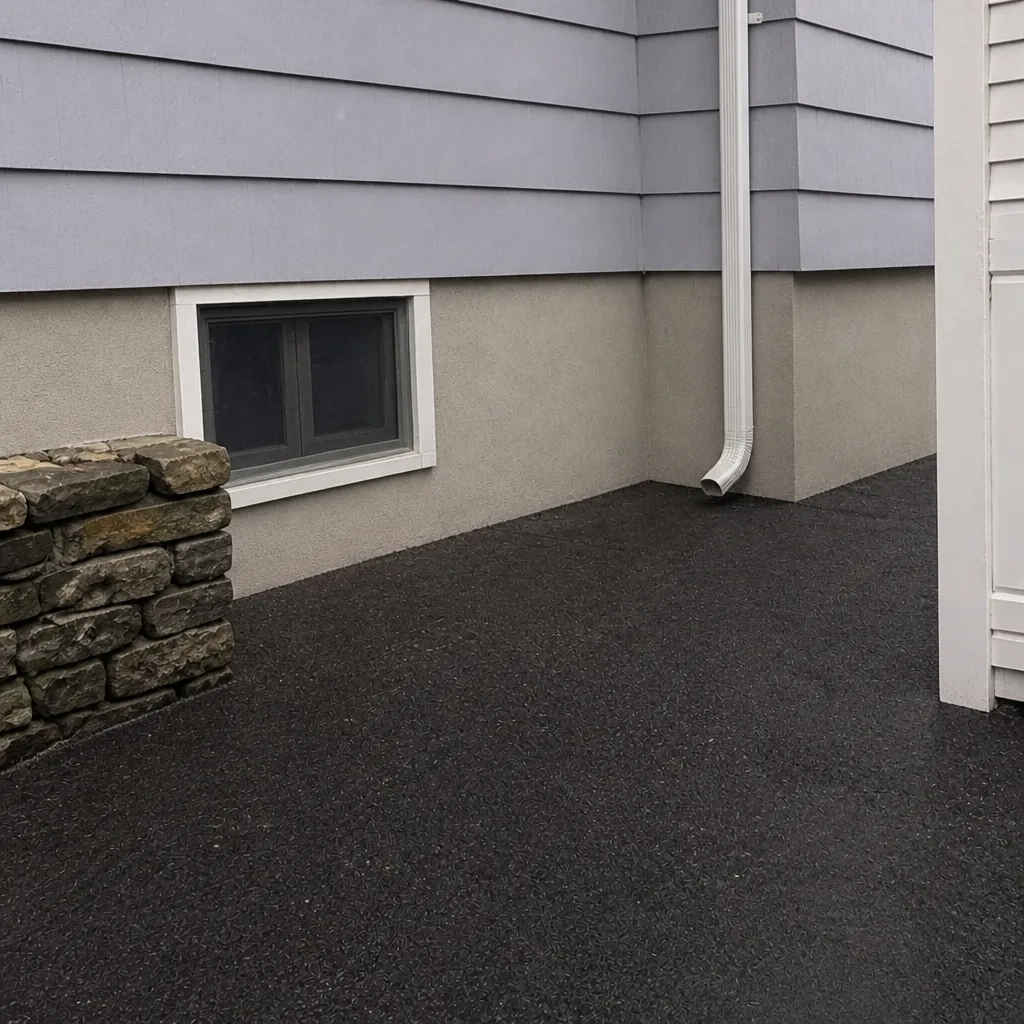 After
When to Call a Professional
Call a duct specialist, not a general handyman, when you’ve had standing water in or near the air handler, when smoke or a fire affected the home, when you’ve found rodent activity in the ducts, or when heat delivery has failed in a way the HVAC company can’t explain. Also call after a major renovation. Drywall dust, insulation fibers, and construction debris settle into ductwork, and running the system during a remodel can pull it deep into the trunk line.
If the system has a musty odor that returns after a cleaning, or if you’ve found mold growth near any register or the coil housing, that also warrants a professional inspection. A trained eye with proper equipment will find what you can’t see.
Duct Cleaning Stamford offers free estimates in Stamford. Call (855) 268-4131 and we’ll book a time to inspect the system and give you a written estimate. One flat price per system, agreed before work starts. We clean it. If we find damage, we fix it.
Frequently Asked Questions
Turn the HVAC system off at the breaker and don’t run the fan. Call a duct specialist for a post-flood inspection before restarting the system. Running a wet duct system pushes moisture, silt, and contaminants through every room, and it can damage the blower and coil housing beyond repair.
Sometimes. Surface soot is removable by professional cleaning, but chemical smoke damage absorbed into duct liner usually needs liner replacement or encapsulation. If the smell returns after a cleaning, that’s the sign the liner is contaminated and cleaning alone won’t fix it. Ask the contractor upfront whether they can replace liner or encapsulate, not just clean.
Yes. Rodent droppings, urine, and nesting material are a biohazard and require protocol-level handling, not a standard cleaning. In porous duct board and flex, contamination often needs material removal and replacement, followed by sanitizing of metal sections and sealing of entry points. Ask any contractor what biohazard protocols they follow before booking.
Often yes, if the duct damage is a direct consequence of a covered peril like a burst pipe or a fire. The claim is more likely to be approved when you have photos of the point of origin, photos of the duct damage, and a written inspection report from a duct specialist that distinguishes cleaning-scope work from replacement-scope work. Get the documentation done before cleanup begins.
As short as possible, and in the case of a flood, days matter more than weeks. Moisture in duct liner can support mold growth quickly, and a wet trunk line can begin corroding the blower housing. Keep the system off until the ducts are confirmed dry and cleared. For smoke and pest events, the timeline is less urgent but the system should remain off until inspected.
A disconnected or crushed duct feeding that room is a likely cause, especially in Stamford’s older homes where flex runs in attics and crawlspaces get damaged over time. Check whether the blower runs and whether other rooms stay warm. If they do, the furnace is likely fine and the duct is the problem. A duct specialist can inspect the connection and repair it.
The Bottom Line
Duct emergencies in Stamford fall into three main categories (flooding, fire or smoke, and pest infestation), plus the cold-weather HVAC failure that’s really a duct problem in disguise. Each one requires a different protocol, and the wrong move is almost always the same: turning the system back on before the ducts have been inspected. Document everything before cleanup begins, keep the system off until it’s cleared, and ask what equipment is coming to the house. One flat price per system, agreed before work starts. Call (855) 268-4131 for a free estimate – we answer 24/7 and dispatch from 7am to 7pm, Sunday through Friday.
Written by the team at Duct Cleaning Stamford.