
Last updated November 14, 2026
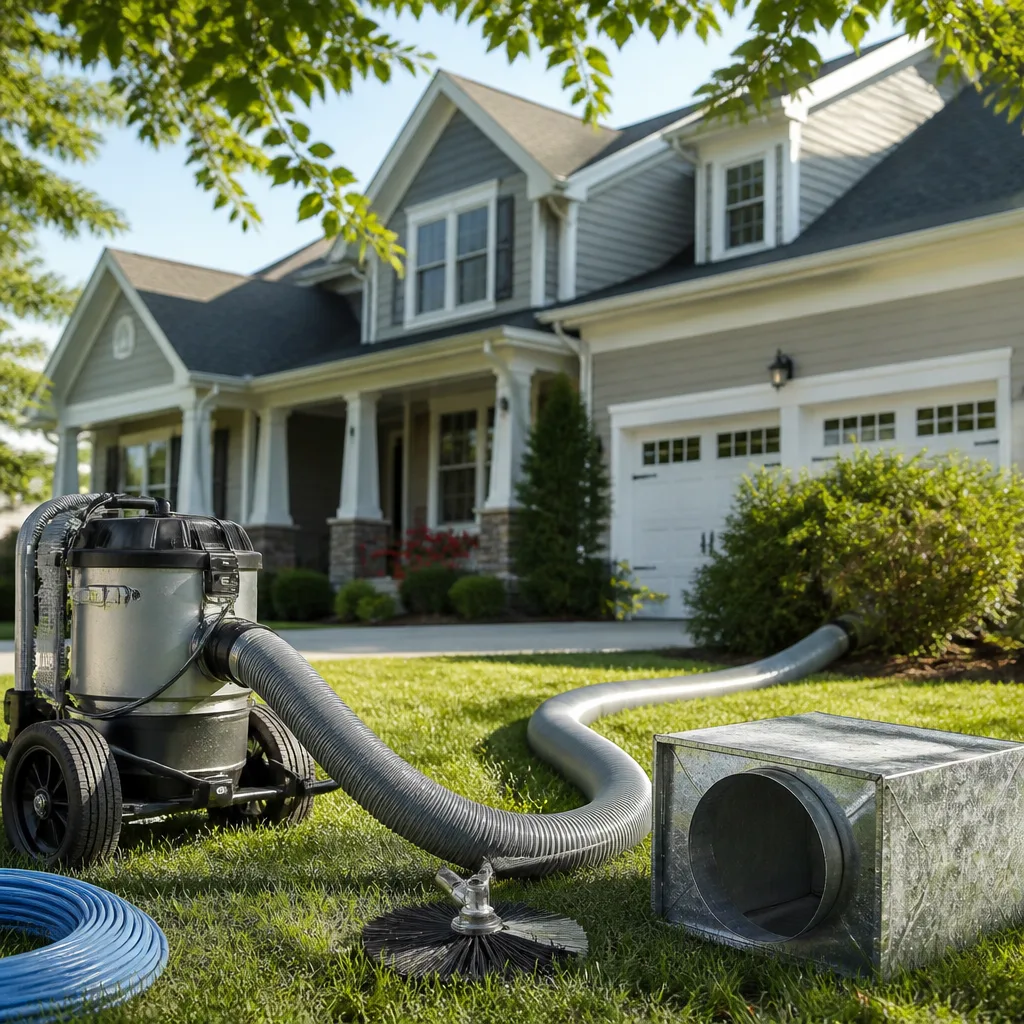 Whole-home duct cleaning
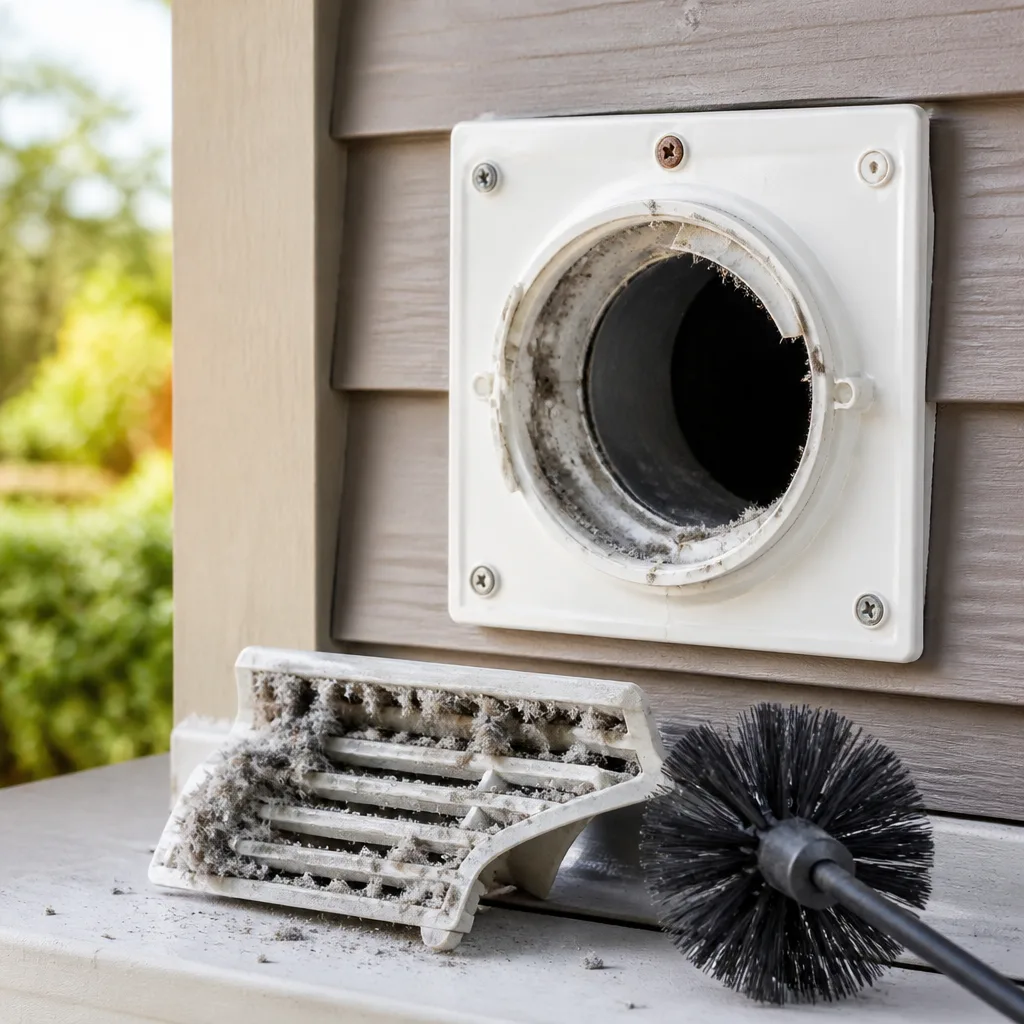 Dryer vent cleaning
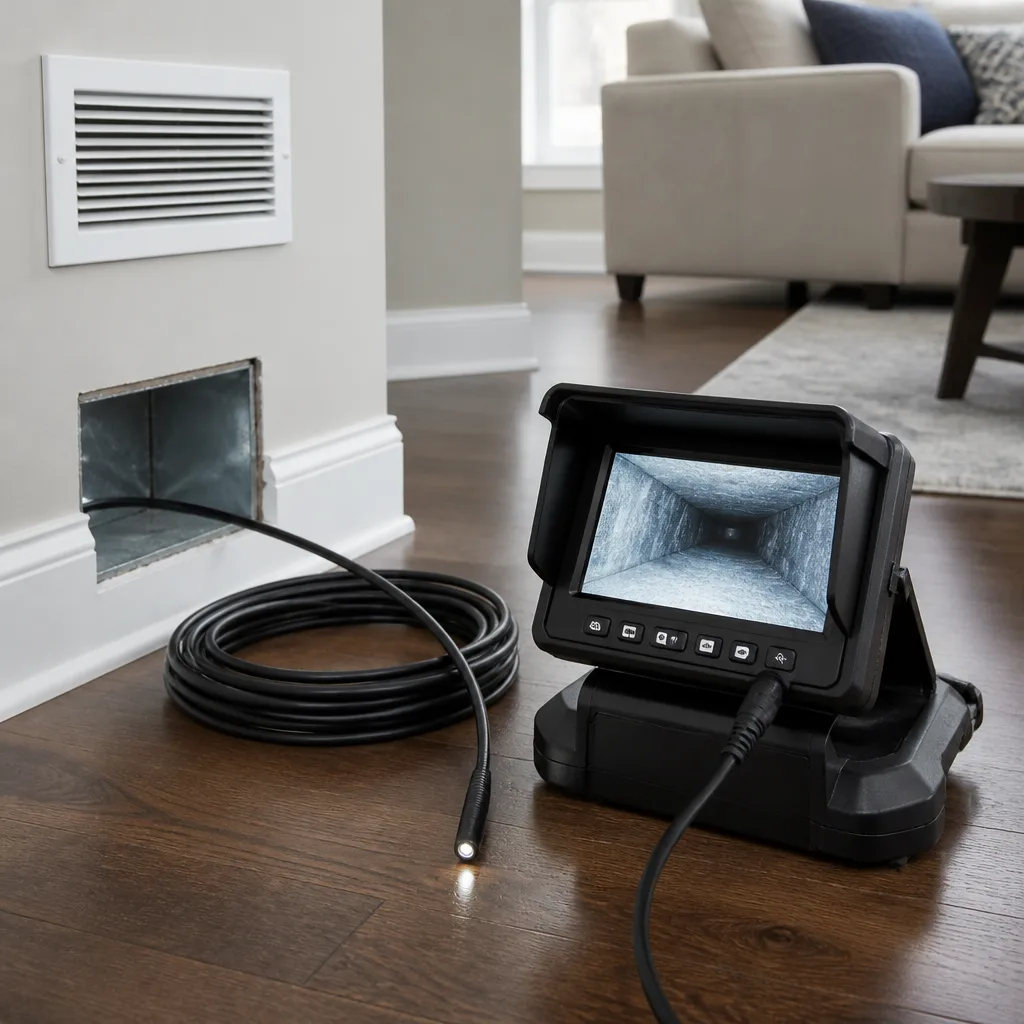 Camera inspection
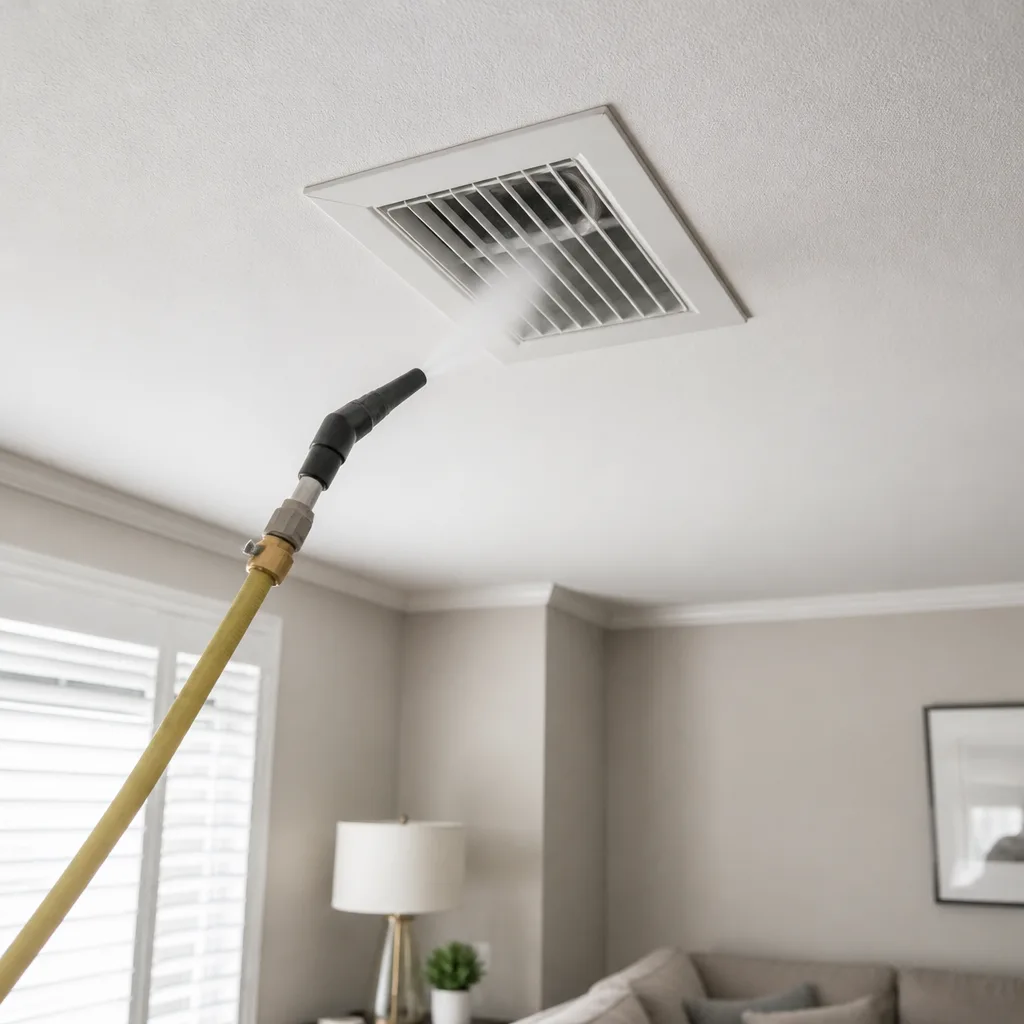 Sanitizing & deodorizing
Whole-system duct and dryer vent check with before-and-after photos - you see exactly what came out of your vents
That "$99 whole-house special" is a bait ad - the real number appears once they are in your hallway, or the "clean" is a shop-vac at the register. We photograph the inside of your ducts before and after instead.
Air Duct Cleaning Cost Breakdown: The Stamford Homeowner’s Reference for 2026
A $199 duct cleaning quote and a $900 duct cleaning quote in Stamford can both be fair prices, for entirely different jobs. The problem is that neither quote tells you which job you’re actually getting. Most homeowners compare the bottom line, pick the smaller number, and never learn what was left out until the airflow problem comes back. This guide breaks a duct cleaning bill into its real components, with typical Stamford market ranges for each piece, so you can read a quote the way a contractor does. You’ll learn what drives legitimate cost variation, why the cheap specials work the way they do, and how to ask for itemized scopes that make two bids genuinely comparable.
Quick Answer
Air duct cleaning in Stamford typically runs $350 to $900 for a full-system residential job, with most single-family homes landing between $450 and $700. The range is wide because the scope is wide: a 1,200-square-foot condo with eight vents is a different job than a 3,000-square-foot colonial with two systems, a finished basement, and an air handler tucked into a crawlspace. Dryer vent cleaning adds roughly $125 to $225. Duct repair is priced separately once the scope of the damage is known. Any firm quote should be written, per system, and set before work begins.
Styles & brands we work with
- Whole-home duct cleaning
- Dryer vent cleaning
- Camera inspection
- Sanitizing & deodorizing
Table of Contents
- What actually drives duct cleaning cost in Stamford
- Line-item breakdown of a full-system cleaning
- Why the $99 and $199 specials exist, and what they leave out
- How to get comparable quotes from two different companies
- How Stamford housing stock changes the job
- Cost per year: how often cleaning actually pays
- When repair enters the estimate
- Common mistakes to avoid
What actually drives duct cleaning cost in Stamford?
Cost is driven by five things, in roughly this order of impact: the number of supply and return runs, the total square footage of conditioned space, how accessible the air handler is, the age and condition of the ductwork, and whether the job includes any repair. Two houses of identical square footage can differ by hundreds of dollars purely on air handler access. An air handler in a garage or utility closet with clear floor space takes minutes to open and clean. The same unit wedged into a crawlspace or a closet behind finished drywall takes far longer, and that time shows up in the quote.
Number of runs matters more than people expect. A typical Stamford ranch might have ten supply registers and two or three returns. A larger colonial with a finished attic and basement can push past twenty registers and four or five returns. Each run has to be individually brushed and vacuumed from the register back to the trunk, then the trunk itself has to be cleaned. Some companies count registers as a lump sum; others price per opening. We prefer whole-system pricing because it removes the incentive to rush and it gives you one number you can hold a company to.
Duct material changes the tooling. Sheet metal ductwork cleans differently than flex duct, which cleans differently than the rigid board sometimes found in older Stamford homes. Flex duct has to be cleaned at lower pressure with a softer whip so the inner liner isn’t torn. A company that shows up with one setup and no flexibility in method is a company that will either damage something or skip the runs that are hard to reach.
- Conditioned square footage: the baseline for the size of the system and the number of branches.
- Supply and return runs: each opening is time in the field and equipment use.
- Air handler access: closet, garage, crawlspace, or behind a finished wall.
- Ductwork condition: disconnected joints, crushed flex, and debris accumulation all add labor.
- Repair scope: priced only after the system is opened and inspected.
If you want the full picture of what a system-level cleaning covers, our air duct cleaning page walks through the process from the register to the main trunk line.
Line-item breakdown of a full-system cleaning
A legitimate full-system cleaning has five cost components. When a company quotes a single number with no breakdown, this is the list you should be asking them to itemize. The ranges below are typical for the Stamford market and reflect professional-grade equipment, not a shop vac and a brush on a drill.
- Equipment mobilization and setup: $75 to $150. This covers bringing in a truck-mounted or portable negative-air unit, running HEPA filtration, and setting containment so debris doesn’t redistribute into the living space. Companies using equipment like Rotobrush and Nikro systems, or Abatement Technologies negative-air units for heavier jobs, carry real setup cost. A crew with a wet/dry vac carries almost none, and it shows in the quote.
- Per-vent service (supply and return runs): $25 to $45 per opening, typically. Each register is removed, the run is brushed and vacuumed from the register inward, and the register is cleaned and reinstalled. Twenty openings at $30 each is $600 of the bill, which is why whole-system pricing often lands below per-vent math when a company is honest about scope.
- Air handler cabinet and blower compartment cleaning: $100 to $200. This is the component most often left out of discount quotes, and it’s the one that matters most. The air handler is where the blower wheel, the evaporator coil face, and the cabinet interior collect dust. Cleaning ducts without cleaning the cabinet is like vacuuming a room and leaving the rug.
- Dryer vent cleaning (add-on): $125 to $225. Add this to a duct cleaning visit and it’s usually less than booking it separately because the equipment is already on site. Our dryer vent cleaning service treats this as a safety item, not an upsell: lint accumulation in the vent line is a real fire hazard, and it’s the leading cause of dryer fires.
- Repair labor and materials (if needed): $150 to $600 and up, depending on scope. Reconnecting a disconnected joint, replacing a crushed section of flex, and sealing leaking seams are common. This is the piece most duct cleaning companies won’t quote because they don’t do the work.
Add those up for a typical 2,000-square-foot Stamford home with sixteen openings, a garage-mounted air handler, and no repairs needed, and you land around $600 to $750. That’s the honest number. A $199 quote is not that job.
What “from the duct opening to the main trunk line” really means
Some companies clean only the runs and skip the trunk. Others clean the trunk and skip the runs. A true full-system cleaning covers every branch from the register to where it meets the trunk, the trunk itself, and the air handler cabinet. Ask specifically which of those three are included. If the answer is vague, the scope is vague, and the price is a guess.
Why the $99 and $199 specials exist, and what they leave out
A $99 or $199 duct cleaning special is structurally unprofitable at honest full-system scope. No company can mobilize equipment, clean sixteen runs, clean the trunk, clean the air handler cabinet, and pay a two-person crew for three hours on $199. So the price isn’t the price. It’s the cost of getting a technician into your home, where the real quote gets built.
The mechanism looks the same across the industry. The advertised price covers a token scope: a handful of registers, no air handler, no trunk. Once the technician is on site, the add-ons come out. Per-vent charges for the registers beyond the first few. Air handler cleaning as a separate line. “Sanitizing” as an add. Repair findings that may or may not be real. By the time the invoice is written, the homeowner has paid market rate or more, often for less work than a firm whole-system quote would have covered.
We don’t run teaser pricing, and we don’t quote per vent for a whole-system job. Our price is one flat number per system, agreed in writing before any work starts. If the scope changes because we find something once the system is open, we stop and talk to you before doing anything else. That’s the honest version of the model.
Here’s how to spot the pattern before you call:
- Ask what the advertised price includes, in writing, before you book. If they can’t or won’t put the scope in writing, that’s your answer.
- Ask whether the air handler cabinet cleaning is included. This is the single best scope test in the trade.
- Ask whether the price is per system or per vent, and whether it changes on site.
- Ask for before-and-after photos of your own ducts as part of the job, not as a favor.
The same logic applies across the industry. When a company prices honestly, there’s no mechanism for a bait-and-switch because the scope is written down before anyone touches the system.
How to get comparable quotes from two different companies
You cannot compare a single-line total to a single-line total and learn anything. What you can do is force both companies to bid the same scope. That means giving both the same information and asking both for the same line items in return.
Start with the same input. Tell every company you call the same four things: total conditioned square footage, the number of supply registers and return registers you can count, where the air handler is located, and whether you’ve noticed any airflow problem or musty odor. That’s the baseline. If one company asks for more information than another before quoting, that’s usually a good sign, not a bad one.
Then ask both companies to itemize. Use this checklist:
- Number of supply runs and return runs to be cleaned, itemized.
- Whether the main trunk line is included.
- Whether the air handler cabinet and blower compartment are included.
- Whether negatively pressurized containment is used during the job.
- What equipment will be on site. Names, not adjectives.
- Whether repair is included in the quote or priced separately after inspection.
- Whether before-and-after photos are provided as part of the job.
- The total, stated as per-system, agreed in writing before work begins.
Two quotes built on that checklist are comparable. Two quotes that just say “$299” and “$685” are not. One might include the air handler; the other might be cleaning the runs only. Scope, not price, is the thing to compare first.
If you’re in Stamford and want a written scope to start from, call (855) 268-4131 for a free estimate. The estimate is free, the price is set per job by the written estimate, and there’s no on-site reprice once the work begins.
How Stamford housing stock changes the job
Duct cleaning isn’t uniform across a city. A job in Shippan looks different than a job in North Stamford, and the reasons are structural, not cosmetic. North Stamford’s larger wooded lots and post-war and mid-century construction often mean longer duct runs and more of them, plus air handlers in basements and utility areas rather than tight closets. Glenbrook and Springdale’s denser neighborhoods mix older capes and colonials with newer infill, and the ductwork spans eras: some original sheet metal, some retrofitted flex, some rigid board.
Downtown and the Harbor Point area bring in another dimension: high-rise and mid-rise condos and rentals where the air handler is stacked on a mechanical floor, wedged into a closet, or tucked above a drop ceiling. Access time goes up, and the number of systems goes up. A property manager looking after a multi-unit building may be pricing four, six, or twelve systems in one building, each with its own scope.
New construction has its own profile. Homes built in the last few years tend to have cleaner ducts, more flex, and tighter systems that show airflow problems quickly if the install wasn’t right. Older homes often have the opposite: sheet metal with more seams, more opportunities for leakage, and accumulated debris in the trunk. Both need cleaning, but the labor profile isn’t the same, and a quote that doesn’t account for it is a quote written blind.
None of this is exotic. It’s just the reality of a city with a housing stock that spans more than a century of building methods. A company that quotes by square footage alone has never opened a system in Stamford.
Cost per year: how often cleaning actually pays
The cost of cleaning is only half the picture. The other half is what you save by doing it at the right interval. The right interval depends on the home, not on a uniform rule. A few markers help:
- New construction or recent renovation: clean once after the construction dust settles. Drywall dust, sawdust, and debris settle in the runs during construction and will circulate for years if not removed.
- Recent move-in: you don’t know the previous occupant’s cleaning habits or pets. A one-time clean establishes a baseline.
- Pets: hair and dander accumulate faster than dust. Homes with two or more pets sit at a different interval than homes with none.
- Allergy or asthma concerns in the household: more frequent cleaning alongside better filtration is a reasonable response, and it’s the reason we stock products from Honeywell and Aprilaire that improve filtration and humidity control at the duct level.
- Noticeable symptoms: musty odor when the system runs, visible dust at the registers shortly after cleaning, or reduced airflow at the far registers of the house.
Most homes in a mild climate like Stamford’s land on a three-to-five-year interval if there are no complicating factors. Homes with pets, allergy sufferers, or ongoing renovation land closer to every two to three years. The math on the other side is straightforward: a dirty system makes the blower work harder, restricts airflow at the coil, and cooks through filters faster. There’s a real cost to deferred cleaning, and it shows up on the filter receipts and sometimes in a compressor repair bill. The cleaners we use, including the Guardsman line, are name-brand formulations, not off-label chemicals, so the treatment holds up between visits.
When repair enters the estimate
Repair enters the estimate when the system is opened and inspected, and not before. Some things can be predicted from the walkthrough: visible disconnect at a register, obvious crushed flex under a floor, a return pulling air from a crawlspace instead of the living space. Most can’t. Once the runs are brushed and vacuumed, the technician can see disconnected joints, torn flex liner, sagging duct with pooling debris, and seams that were taped once and have since failed.
This is where most stand-alone duct cleaning companies stop. They hand you a referral and leave, and the repair becomes a second project with a second contractor and a second mobilization. We do the repair as part of the same visit. If the damage is beyond our scope, we say so, but for the common findings, closing the gap in the same job means the system goes back together with the leak sealed and the runs reconnected to the trunk.
Repair cost ranges widely because the scope does. Reconnecting a joint and re-sealing a short seam is on the low end. Replacing a crushed section of flex, or sealing several failing seams across the trunk, moves up. If the inspection turns up damage well beyond what a cleaning-and-repair visit can address, we tell you that rather than quote work outside our scope. Our Stamford page lists the areas of the city we work across and what a typical visit looks like.
Common Mistakes to Avoid
- Comparing a coupon price to a firm quote. A $99 advertised price and a $650 written scope are not the same product, and comparing them tells you nothing useful. Ask for the written scope from both companies before deciding.
- Assuming air handler cleaning is included. It’s the most commonly excluded component and the most important one for airflow. If it isn’t itemized on the quote, it isn’t included.
- Skipping the containment question. A cleaning without negative-air containment stirs dust into the living space. Ask whether sealed containment and HEPA filtration are used on the job, and expect a specific answer.
- Booking a “sanitizing” add-on before cleaning. Sanitizer applied to dirty ductwork does very little. Cleaning first and treating only where needed is the right order, and it’s cheaper.
- Ignoring the dryer vent. A duct cleaning visit is the right time to have the dryer vent checked. Lint in the vent line is a leading cause of dryer fires, and the add-on cost when bundled is lower than booking it separately.
- Assuming a Stamford home’s age means modern ductwork. Renovations over the decades mean many homes have mixed duct eras under one roof. What’s in the walls isn’t what’s on the deed, and the scope should reflect what’s actually there.
- Believing “same day” is the same as “same scope.” A fast appointment is worth having, but speed isn’t the product. The scope is. Confirm what will be done before you confirm when.
See the difference
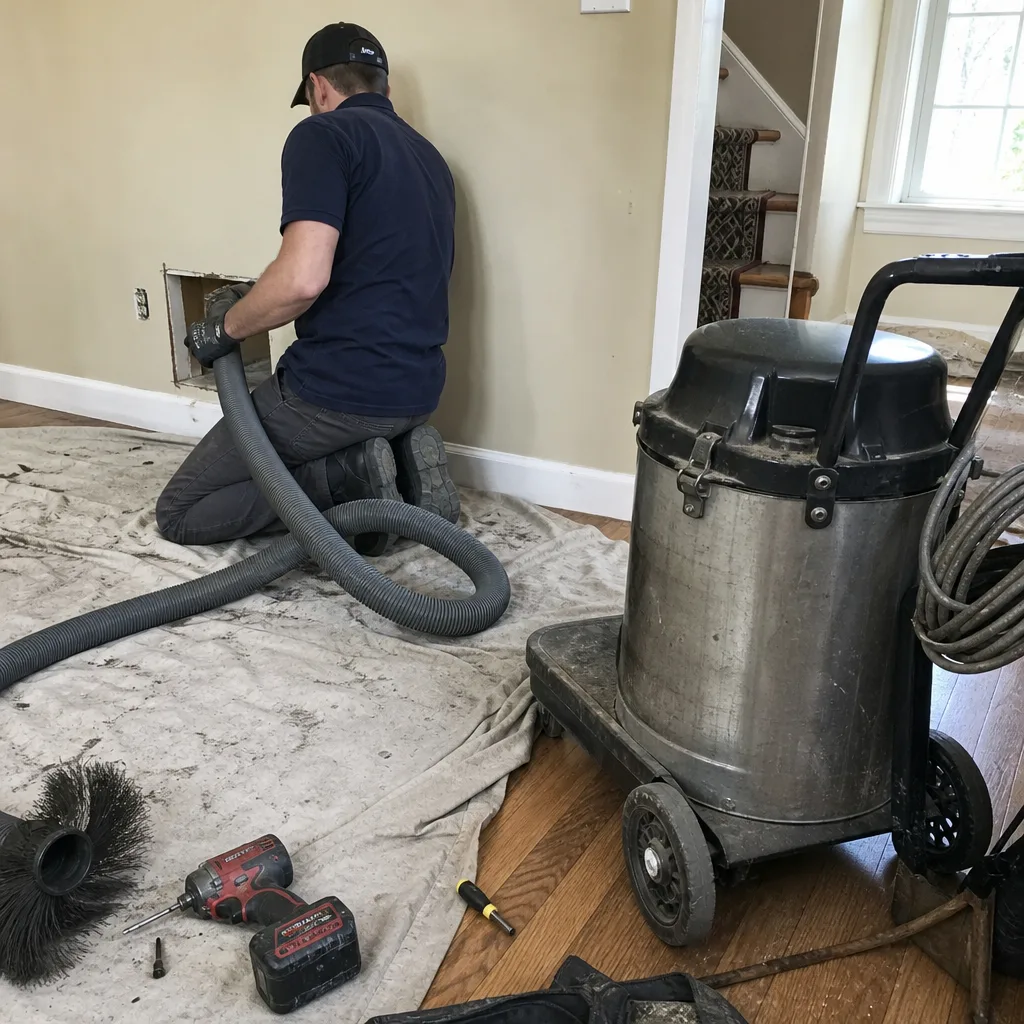 Before
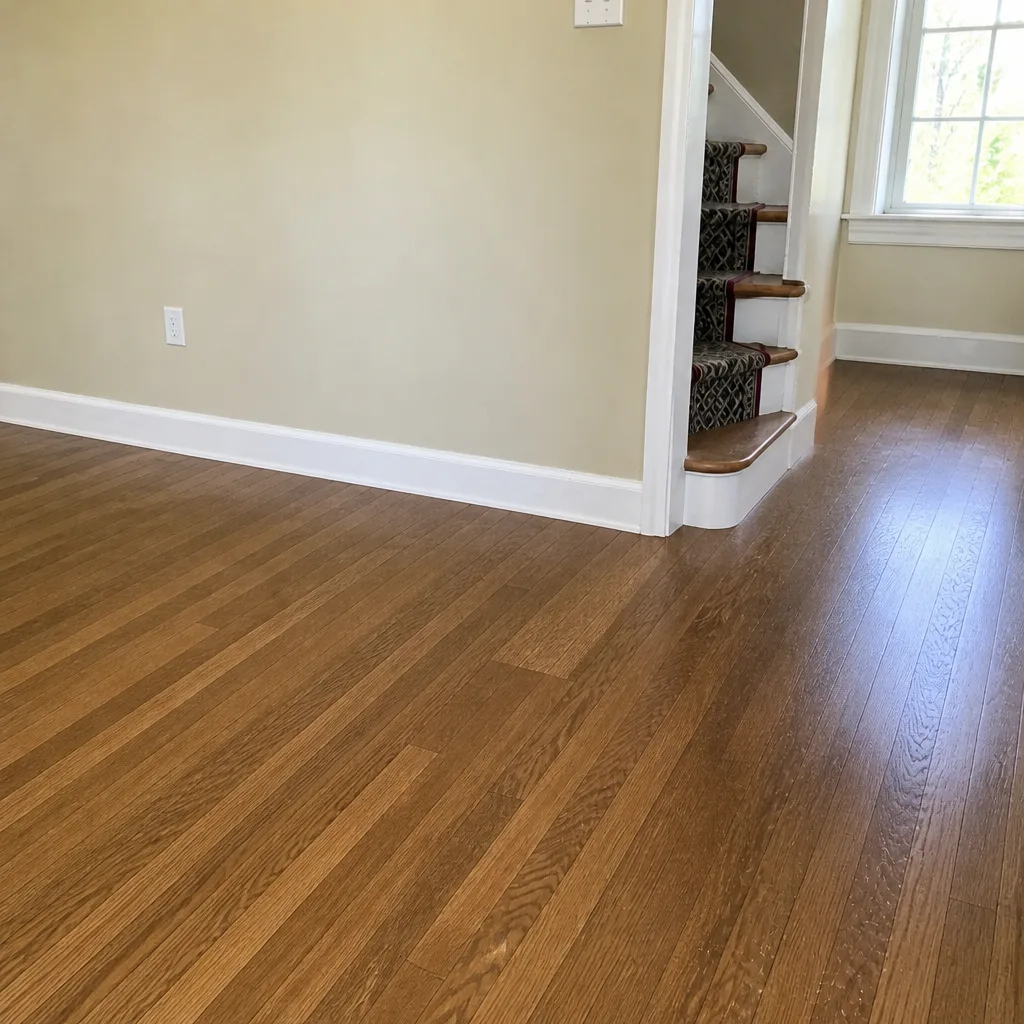 After
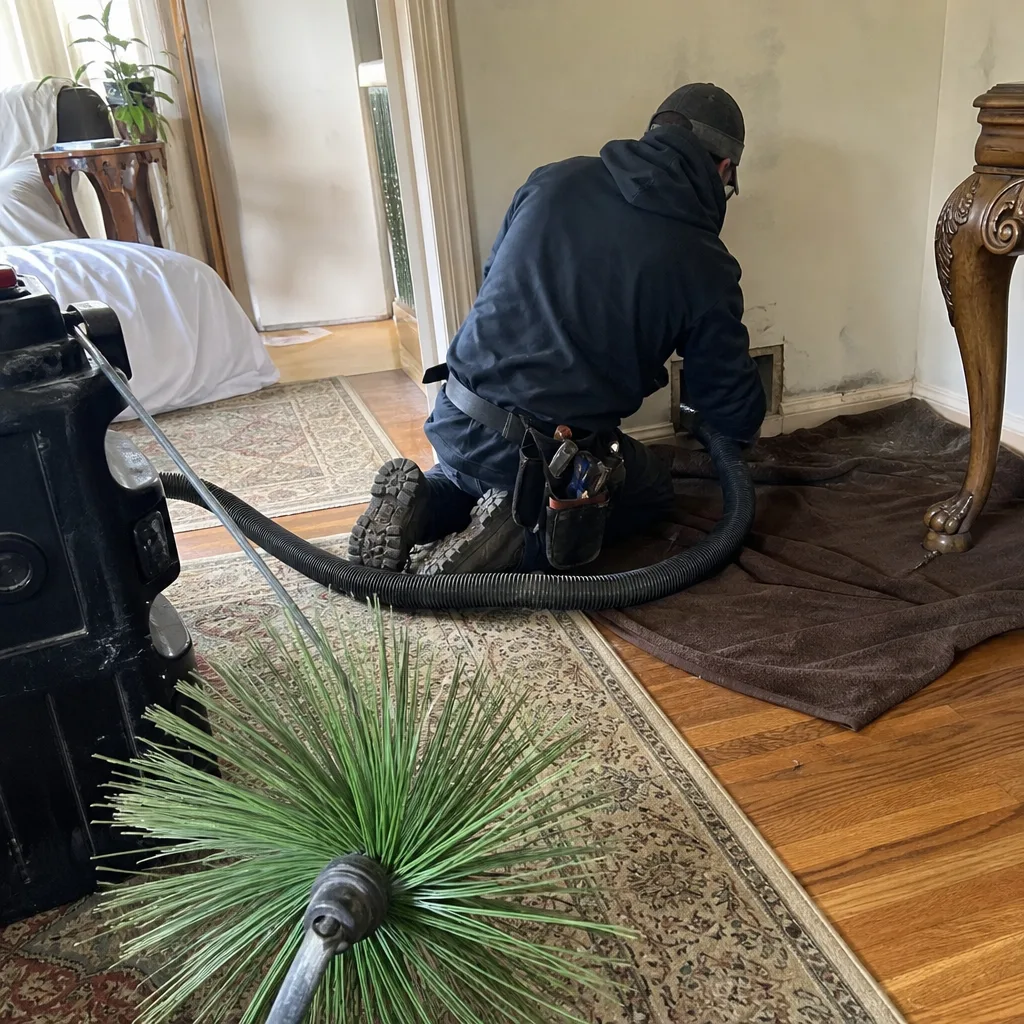 Before
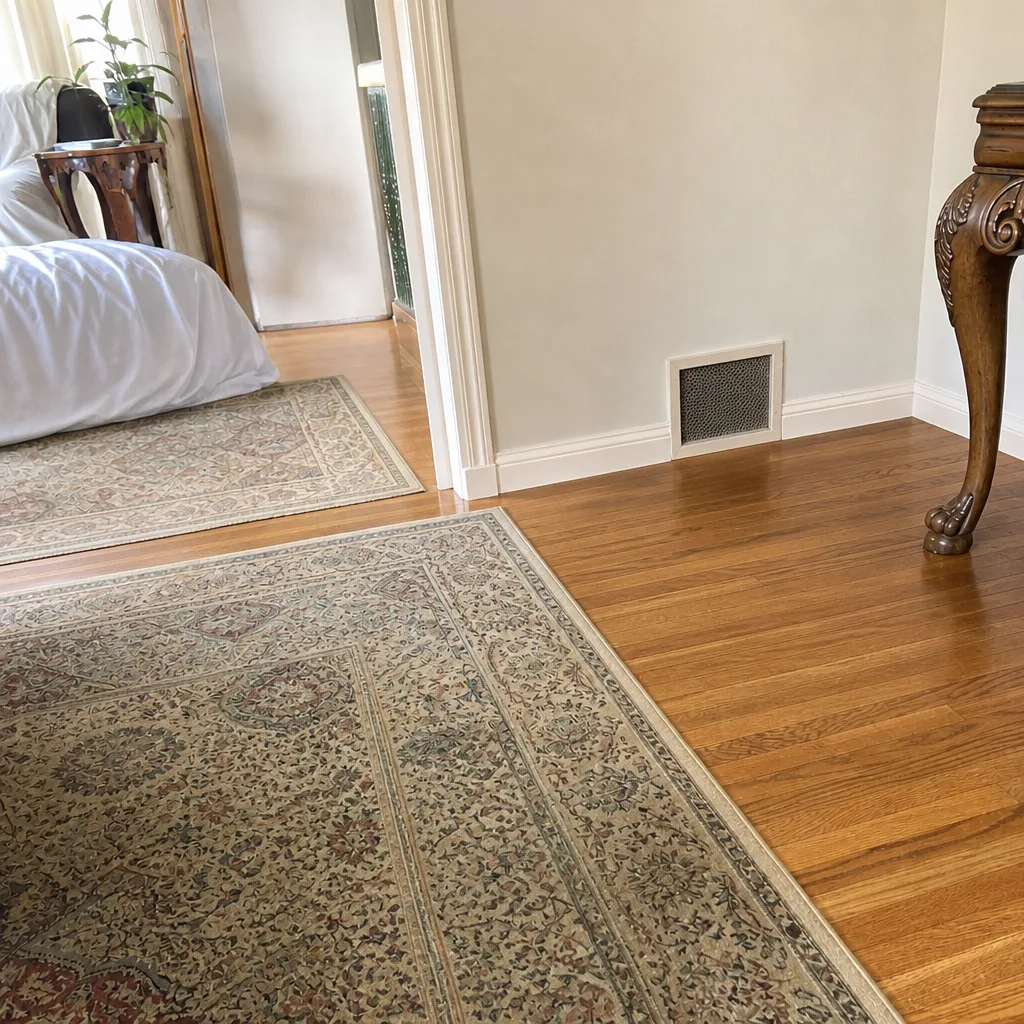 After
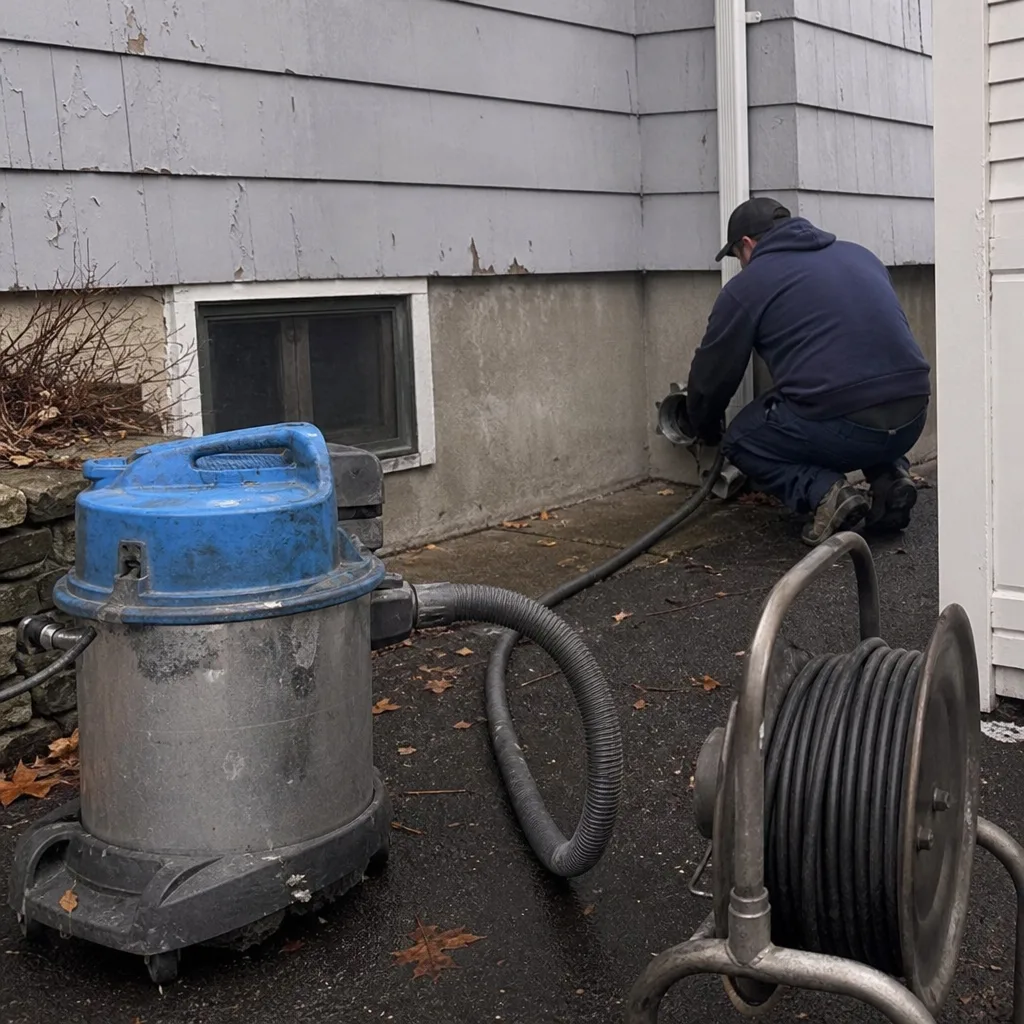 Before
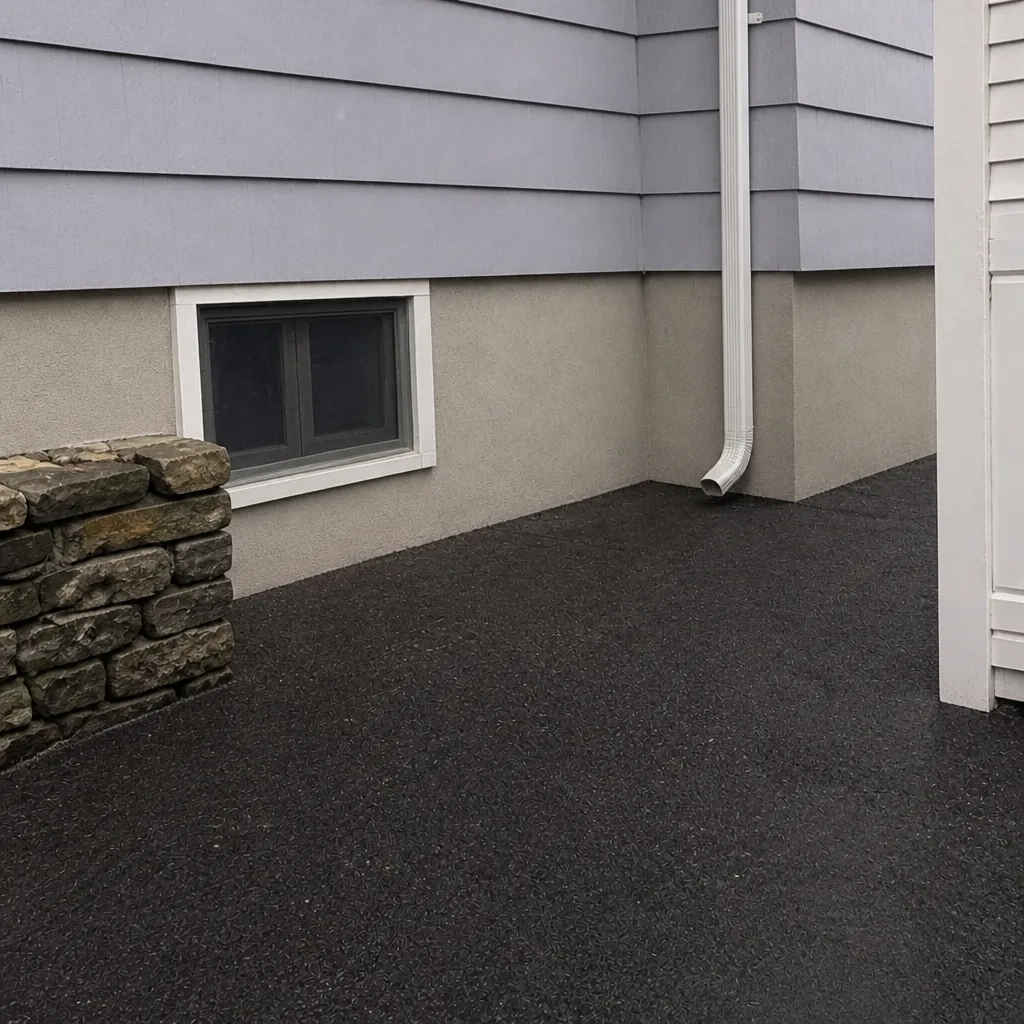 After
When to Call a Professional
Call a professional when the symptoms point at the system, not the surface. Visible dust at the registers shortly after cleaning, musty odor when the blower runs, reduced airflow at the far end of the house, a recent renovation that produced heavy drywall dust, a move into a home with unknown history, or pets and allergy sufferers in the household all warrant a look. Also call if the dryer is taking longer to dry a load than it used to, or the outside vent flap doesn’t open fully when the dryer runs; those are the classic signs of a loaded vent line. Sticking a shop vac hose into a register yourself doesn’t reach the trunk or the air handler, and it doesn’t produce a scope you can hold anyone to. Duct Cleaning Stamford offers free estimates in Stamford. Call (855) 268-4131. We answer 24/7. Fast dispatch from 7am to 7pm, Sunday through Friday.
Frequently Asked Questions
A full-system residential cleaning in Stamford typically runs $350 to $900, with most single-family homes between $450 and $700. That covers every supply and return run from the register to the trunk, the trunk line itself, and the air handler cabinet. Dryer vent cleaning adds $125 to $225 when bundled. Duct repair is priced separately once the scope is known. Call (855) 268-4131 for an exact quote – estimates are free.
Cheap quotes are cheap because the scope is smaller, not because the company is more efficient. A $99 or $199 price almost always excludes the air handler cabinet, some or all of the return runs, and often the trunk line. The advertised price is the cost of getting into your home; the real scope gets priced on site. Ask for the written line items before you book. Call (855) 268-4131 if you want a firm per-system quote you can compare against any other bid.
Ask for before-and-after photos of your own ducts, not stock photos, taken during the job. Then verify the scope against the written estimate: every run listed, the trunk line included, the air handler cabinet opened and cleaned. If any of those weren’t photographed or weren’t listed in the scope, the work wasn’t done. Our crews use Rotobrush and Nikro systems, and for jobs with heavier contamination or post-renovation debris we bring in Abatement Technologies negative-air equipment with HEPA filtration. Call (855) 268-4131 to schedule.
Most homes in a mild climate like Stamford’s need it every three to five years. Homes with pets, allergy sufferers, or recent renovation need it closer to every two to three years. New construction should be cleaned once after the dust settles. If you’re noticing musty odor or reduced airflow at the far registers, the interval is now, not later. Call (855) 268-4131 for a free estimate and we’ll tell you what the system actually shows.
It should, and on our jobs it does. The air handler cabinet, blower compartment, and evaporator coil face are where dust accumulates most heavily, and cleaning ducts without cleaning them is incomplete work. If a quote doesn’t itemize air handler cleaning, it isn’t included. Confirm before you book. Call (855) 268-4131 for a written scope with every component listed.
Repair runs $150 to $600 and up, depending on what the inspection finds. Reconnecting a joint and sealing a short seam is on the low end. Replacing crushed flex and sealing multiple failing seams across the trunk moves higher. We price repair after the system is opened so the number reflects the actual damage, and we do the repair in the same visit as the cleaning rather than handing you a referral. Call (855) 268-4131 for a free estimate.
Yes, and that’s one of the strongest reasons to schedule. Construction dust and drywall debris settle in the runs during remodeling and will circulate for years if not removed. A move-in clean establishes a baseline when you don’t know the previous occupant’s habits or pets. For heavy post-renovation contamination we deploy Abatement Technologies negative-air containment so the cleaning doesn’t redistribute dust into the house. Call (855) 268-4131 to book.
We handle three related services: air duct cleaning, dryer vent cleaning, and air duct repair. One contractor covers the full ventilation system, which means a finding during cleaning gets fixed rather than referred. We can also supply and install Honeywell and Aprilaire indoor-air-quality products, including filtration and humidity control, as part of a cleaning or repair engagement. Call (855) 268-4131 to talk through what your system needs.
The Bottom Line
Duct cleaning prices in Stamford vary by a factor of five not because the market is chaotic, but because quotes cover different scopes. A $199 price and a $700 price can both be honest, for jobs that share almost nothing. The way to read the market is to stop comparing totals and start comparing line items: number of runs, trunk included or not, air handler cabinet included or not, containment, equipment, repair scope. Once those are written down by two companies, the comparison actually means something. Then the price becomes what it should be: one firm number per system, agreed before work begins. Call (855) 268-4131 for a free estimate. We answer 24/7. Fast dispatch from 7am to 7pm, Sunday through Friday.
Start from our Duct Cleaning Stamford home page for the full picture of how we run a job, or read more about how we work across Stamford.
Written by the team at Duct Cleaning Stamford.