
Last updated November 14, 2026
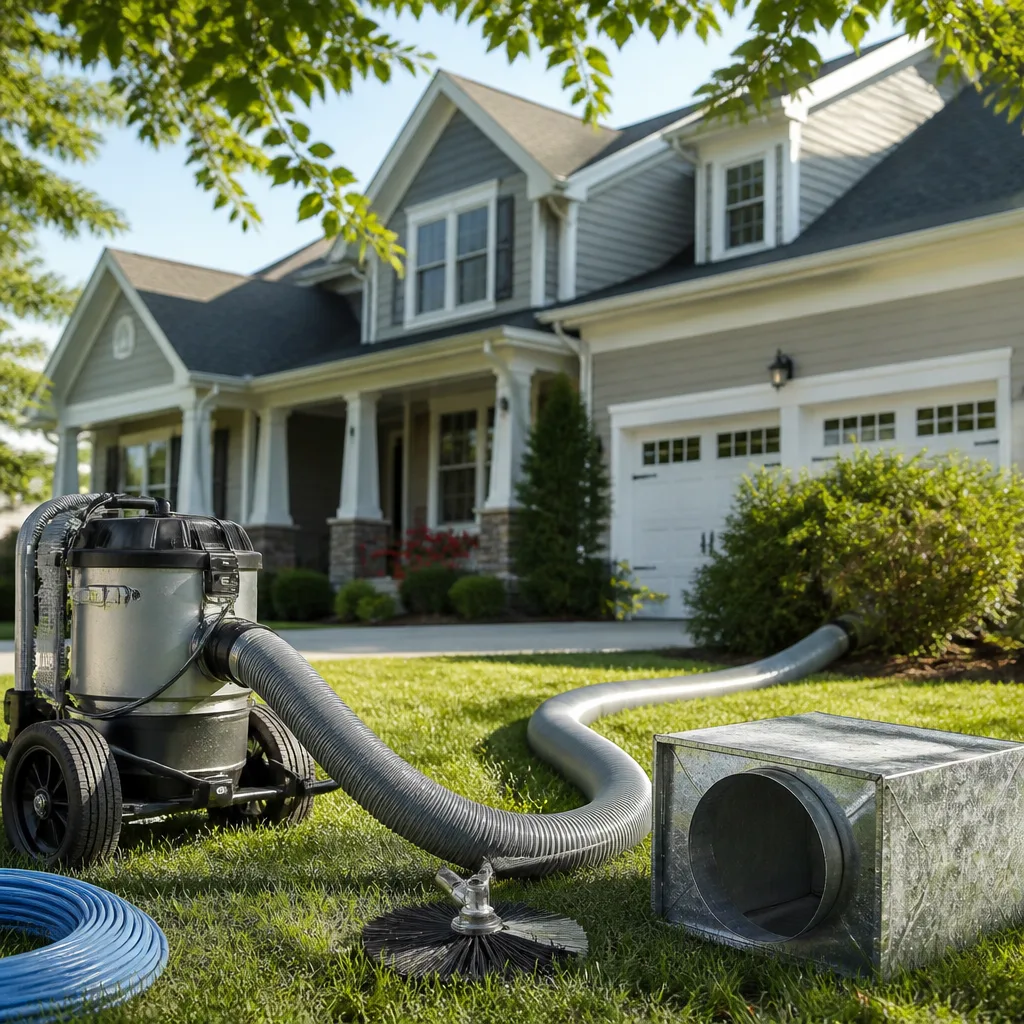 Whole-home duct cleaning
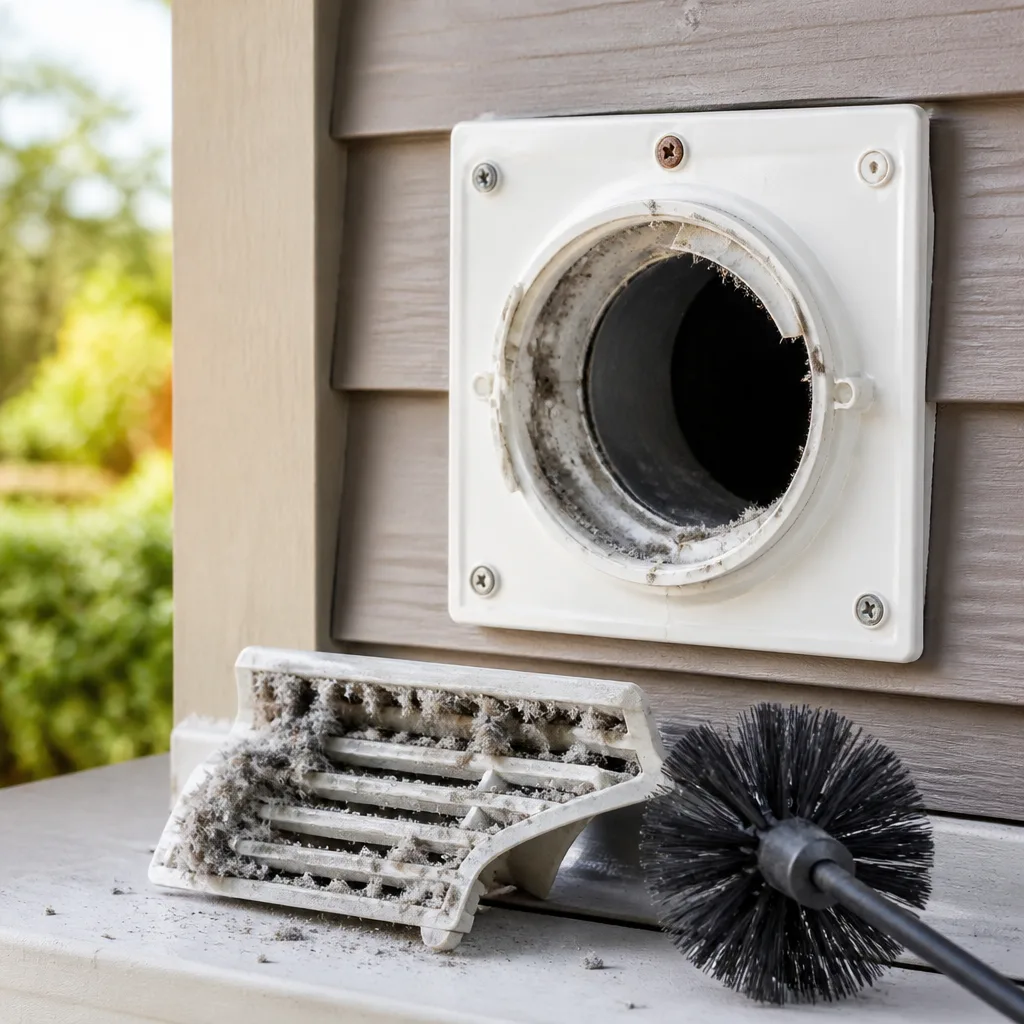 Dryer vent cleaning
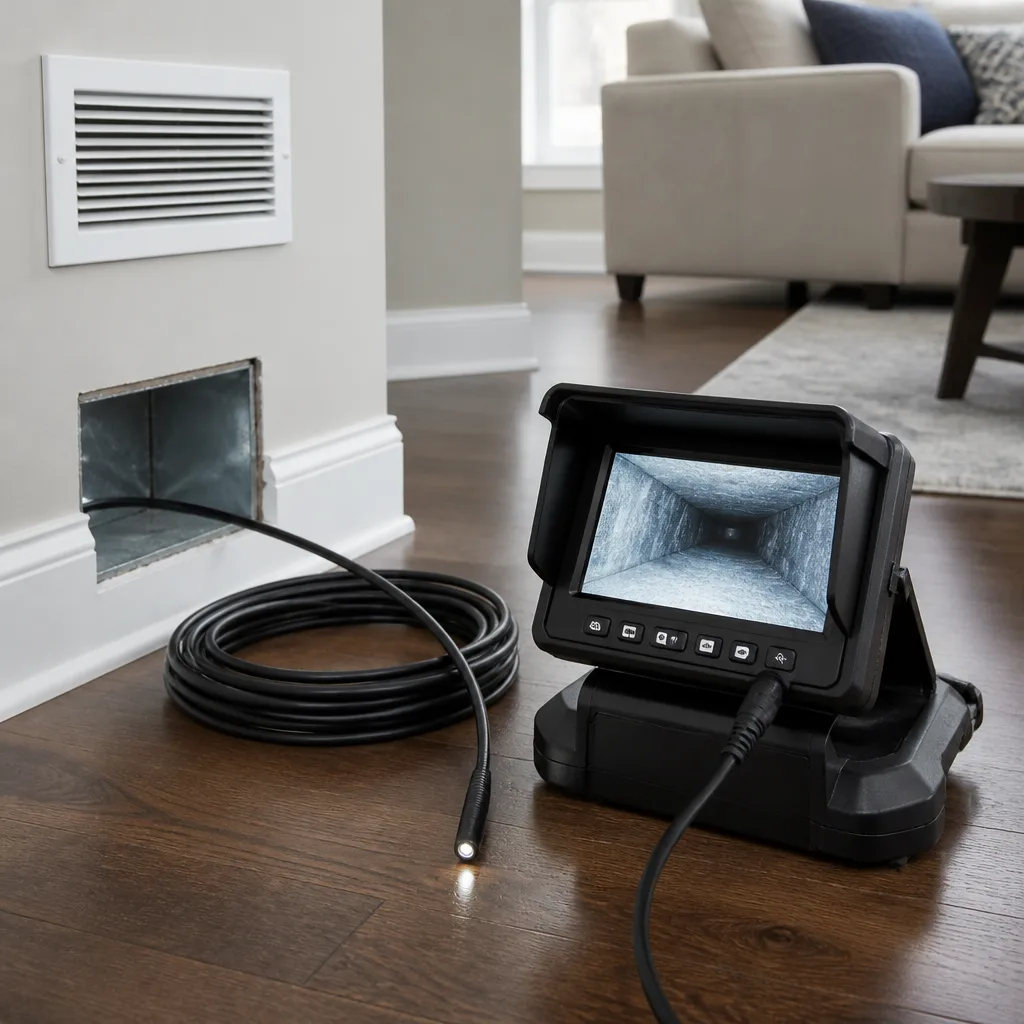 Camera inspection
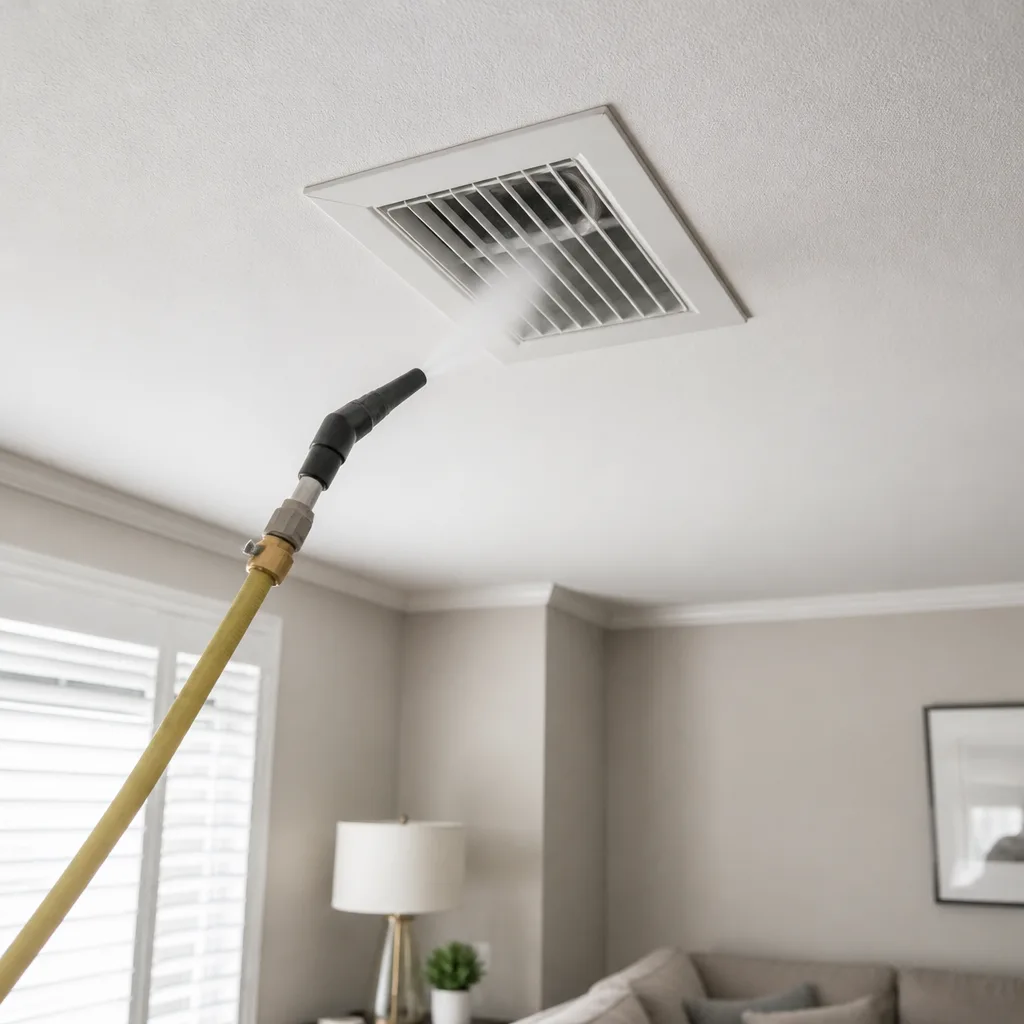 Sanitizing & deodorizing
Whole-system duct and dryer vent check with before-and-after photos - you see exactly what came out of your vents
That "$99 whole-house special" is a bait ad - the real number appears once they are in your hallway, or the "clean" is a shop-vac at the register. We photograph the inside of your ducts before and after instead.
Air Duct Cleaning Maintenance Schedule: What to Do and When
The 3-to-5-year rule most articles repeat was written before high-shedding dog breeds became the most popular pets in Fairfield County. That single number ignores the variables that actually drive how fast your ductwork gets dirty: how many animals live in the house, whether anyone’s been cutting drywall, what the ducts are made of, and how humid the summer gets. If you have two Labs, your ducts look three years older than the calendar says. This guide replaces the generic average with a schedule you build around your own household, and it covers the interim tasks that keep you ahead between professional visits. We’ll show you how to inspect your own registers in Stamford and judge whether you’re on schedule or overdue.
Quick Answer
Most Stamford homes should have their air ducts professionally cleaned every 3 to 5 years, but that window shrinks to 2 to 3 years in homes with multiple pets or recent renovation work, and it can stretch toward 5 to 7 years in a low-pet, low-occupancy house with well-filtered forced-air. Because Stamford sits against Long Island Sound, the higher baseline humidity here means mold risk in duct systems runs ahead of inland Connecticut towns, which pulls the schedule tighter rather than looser. Inspect your registers twice a year and let what you find reset the calendar.
Styles & brands we work with
- Whole-home duct cleaning
- Dryer vent cleaning
- Camera inspection
- Sanitizing & deodorizing
Table of Contents
- Why the Universal 3-to-5-Year Rule Fails
- How to Build Your Interval
- Stamford Humidity and Mold Risk
- Duct Material Changes the Math
- Interim Maintenance Between Cleanings
- How to Self-Inspect at the Register
- Events That Trigger an Unscheduled Inspection
- When Cleaning Turns Into air duct cleaning and Repair
Why the Universal 3-to-5-Year Rule Fails
A cleaning interval is not a fixed calendar fact. It is a rate, and the rate depends on how much particulate your system moves and how well it filters. Two houses on the same Stamford street can have wildly different schedules because their conditions differ. One has a shedding dog and a cat, the other has no pets and a high-MERV filter changed on schedule.
Industry guidance of “clean every 3 to 5 years” is a reasonable midpoint for a household near the middle of the distribution. It’s not a rule, and treating it as one leaves some homes dirty for years while others get cleaned before they needed it. We’ve seen both in the same neighborhood.
The variables that actually matter:
- Pets and number of pets. High-shedding breeds load the return side of a system faster than anything else. Two dogs can compress a schedule by a full third.
- Recent drywall work or renovation. Cutting, sanding and demo release fine dust that gets pulled straight into returns while HVAC is running. That dust re-settles throughout the system, not just where it entered.
- Occupant allergy status. If someone in the household has asthma or respiratory sensitivity, the goal shifts from “clean enough” to “clean enough that the system isn’t adding to symptoms.”
- Duct material. Flex duct has ridges that trap debris; sheet metal is smoother; duct board can be difficult to clean once it absorbs moisture or debris.
- Filter discipline. A clogged filter lets more particulate bypass and deposit on the coil and duct interior.
- Baseline humidity. Coastal humidity raises the moisture available for biological growth inside a duct system.
Treated as a set, these variables compress or stretch the standard interval by a full 2 to 4 years in either direction. That’s too much spread to ignore.
How to Build Your Own Cleaning Interval
Start with the midpoint of 4 years and adjust down for each factor that applies. Then set your inspection calendar based on what you find. This is the method we use when we assess a Stamford home for the first time.
- Baseline: 4 years. No pets, no recent renovation, no known allergy in the household, filter changed on schedule.
- Subtract 6 to 12 months for a single pet, or 12 to 18 months for two or more high-shedding pets.
- Subtract 12 to 18 months if drywall, sanding, or major renovation happened within the last year, even a small interior job.
- Subtract 12 months if anyone in the household has asthma, significant allergies, or an immune condition.
- Subtract 12 months if the home has flex duct (more surface area to trap debris).
- Add 6 to 12 months if the home is lightly occupied, has no pets, uses a high-MERV filter changed on schedule, and never runs the system with a filter that’s overdue.
- Compare the result to your inspection findings. If your register check shows visible dust buildup at 18 months, the interval is wrong regardless of what the math says.
This formula will not be exact. It isn’t meant to be. It gives you a defensible starting number that responds to your actual household rather than a fixed industry average. Write down the result somewhere you’ll see it, and set a reminder to check registers at the halfway point.
For property managers overseeing multi-unit rentals in Stamford, run the formula per unit. A tenant with pets in an otherwise identical condo can turn over faster than the neighboring unit, and building-wide cleaning contracts that assume uniform conditions tend to under-clean the highest-load units.
Stamford Humidity and Mold Risk
Stamford’s position alongside Long Island Sound raises the baseline relative humidity inside homes compared to towns further inland. That’s not a trivial difference for a duct system. Air passing through the ductwork carries moisture, and if it cools below the dew point somewhere in the system, condensation forms. That condensation is the front door for mold.
Where inland Connecticut towns get seasonal swings that dry things out, Stamford’s summers hold moisture longer. In practice:
- Mold risk in duct systems is higher here than in towns half an hour north.
- Duct systems that stay marginally damp most of the summer can support growth earlier in the interval than the same system would inland.
- Basements and crawlspaces in older Stamford homes often feed the return trunk directly, bringing outside humidity into the system.
- An improperly sized or poorly maintained air conditioner that short-cycles can leave more moisture in the ducts than one that runs long enough to dehumidify effectively.
What this means for your schedule: if you smell a musty, earthy odor at the registers when the fan kicks on, that is not “normal Stamford air.” It’s a signal that moisture has been sitting somewhere in the system long enough for microbes to move in. Any odor of that kind moves you from “evaluate next year” to “inspect this season.”
Whole-home humidity control is the upstream fix, and it’s a common add-on when we find a system that keeps growing micro-organisms between cleanings. Honeywell and Aprilaire make systems that address household humidity at the source rather than cleaning the ductwork repeatedly and watching the problem return. If the duct is moldy and the underlying humidity problem is untouched, no cleaning schedule will hold.
When the odor is more than musty, when we can see visible growth on duct walls, or when the contamination is combined with heavy dust or post-renovation debris, the job needs HEPA-level negative-air containment, not a standard cleaning pass. That’s why our trucks carry Abatement Technologies equipment. A standard shop vac recirculates the fine particles it can’t capture; containment equipment captures them.
Duct Material Changes the Math
What the ducts are made of is one of the biggest drivers of how often they need cleaning and how well they clean. Three materials matter in Stamford homes: flex duct, sheet metal, and duct board.
- Flex duct. Corrugated plastic-over-wire construction. Every ridge is a place where dust and debris collect. Flex ducts also tend to have more turns, which slows airflow and drops particle-load at the walls. Plan on the shorter end of any interval.
- Sheet metal. Smoother walls, so debris travels further before it settles, and once it’s there a professional system cleans it well. If seams aren’t sealed, though, they can draw unconditioned moist air from attics or wall cavities. If we find unsealed sheet metal duct during a cleaning, that’s an air duct cleaning job that also turns into repair.
- Duct board. Rough interior surface, and once it absorbs moisture or heavy debris, restoring it to clean condition is difficult or impossible. Duct board that has been damp long enough to grow organisms usually needs replacement in the affected run, not cleaning.
Homeowners rarely know which material runs through their walls and attic. During an inspection we identify it because it changes both the schedule and the cleaning method. Flex duct calls for gentler tooling than sheet metal to avoid tearing the liner.
Roughly, flex duct compresses your interval by about a year versus sheet metal running the same household load. Duct board may need replacement on an affected run rather than a cleaning at all.
When Cleaning Turns Into Air Duct Repair
Most duct cleaning companies only clean. If they find a disconnected flex run in your attic or a crushed trunk line under a floor, they hand you a referral and leave. That gap is why we offer air duct cleaning and repair under one contractor. The technician who cleans your system can repair what’s found wrong with it on the same visit.
Common findings during a cleaning in Stamford homes:
- Disconnected flex runs in attic installations that have been pulling attic air (and insulation fibers) into the living space for years.
- Crushed or kinked flex where a run was stepped on during a renovation.
- Unsealed sheet metal joints at the trunk that leak air into wall cavities or basements.
- Torn duct board, especially in systems with prior moisture issues.
Each of these undermines the cleaning itself. A system with a disconnected run is moving attic dust into a bedroom no matter how clean the connected portion is. Repair closes that loop. For our scope and approach, see our Duct Cleaning Stamford service overview.
Interim Maintenance Between Cleanings
The four things homeowners can control between professional visits make a measurable difference to contamination rate. They also give you good signals about whether a cleaning is due.
- Filter grade and change frequency. Match the filter to your system. A contractor-grade filter with a MERV rating your blower can handle protects the coil and ductwork. Change it by the manufacturer’s schedule or sooner if it looks loaded. A filter that’s visibly gray across the whole face has been in service too long.
- Return grille checks. Every couple of months, lift the return grille and look at the duct mouth. Visible dust accumulation on the duct wall, debris on the grille face, or a musty smell when you lean in are all signals. If you see clumps of dust on the duct walls an inch or more thick, you’re overdue.
- Bypass humidifier maintenance. If your home has a bypass humidifier tied into the ductwork, the pad needs replacement on schedule and the water panel needs cleaning. A neglected bypass humidifier is a moisture source that feeds mold growth directly into the ducts. Check it each season. If you’re considering adding one or upgrading what you have, Aprilaire and Honeywell units integrate cleanly with most forced-air systems, and we can size and install them alongside a cleaning.
- Dryer vent check. This isn’t a duct system in the HVAC sense, but it’s a fire safety issue that belongs on any whole-home maintenance schedule. The dryer vent cleaning service we offer addresses the leading cause of dryer fires. Plan on a check every year, or every six months if the dryer runs heavily or the vent run is long.
None of these tasks replace a professional cleaning. They slow the rate at which the next one is needed and give you early warning when it’s due.
How to Self-Inspect at the Register
A flashlight and your phone camera tell you more than you’d expect. This is the same basic check we do on arrival.
- Turn the system off. Wait for the blower to stop before removing any grille.
- Remove two or three supply registers (the ones that blow air, not the returns) and look inside with the flashlight. Sheet metal usually shows dust pattern clearly. Flex duct shows debris accumulation in the ridges.
- Take a phone photo at each opened register looking down the duct. Compare against the same view six months later.
- Check the return grille and the duct mouth behind it. This is where the heaviest accumulation usually lives because the return pulls the most air.
- Smell the duct near the return. Musty, earthy, or “old basement” smell means moisture is present somewhere in the system. Any of those signals jumps your inspection forward.
- Look at the supply register faces on interior walls. Black specks, gray fuzz on the diffuser face, or a visible line of dust on the ceiling above a register all mean the same thing: the system is depositing particulate as it runs.
What you’re watching for over time:
- Dust that appears overnight on the register face means particulate is moving. That’s normal; dust that returns within a week of dusting is not.
- Visible growth (dark specks, fuzzy patches) on the duct walls is immediate inspection territory. Don’t open up drywall to investigate; call for a scope inspection.
- Increased airflow noise at a supply register can mean a duct has partially collapsed or filled. That’s a duct repair issue more than a cleaning issue.
This check takes fifteen minutes and replaces the guesswork. If what you find says “on schedule,” keep your next professional visit on the calendar. If what you find says “overdue,” move it up.
Events That Trigger an Unscheduled Inspection
Some events reset your cleaning schedule regardless of where you were. Ignoring them and waiting for the calendar to catch up is how dirty systems stay dirty for years.
- Sewage backup anywhere near the air handler. If a plumbing backup wets the area where the air handler or main trunk sits, contamination can enter the system through air movement even before water reaches it. Follow remediation with an inspection of the duct system if the two are close in the same space.
- Rodent activity. Mice and squirrels enter duct systems through gaps, and their droppings and nesting material blow downstream throughout the living space. Any evidence of rodents in attic, basement, or crawlspace where ducts run is a prompt for inspection with containment equipment, not a routine cleaning.
- Renovation with the HVAC running. If drywall was cut, sanded, or demo’d with the system on, the return side of the ductwork pulled that dust in. Post-renovation cleaning should follow, especially for kitchens and bathroom renovations where trades moved through the whole house. Turn the system off during major dust-producing work when you can.
- Water intrusion after heavy rain. If a storm pushed water into a basement or attic where ducts run, inspect before the next cooling season.
- Moving into a new home. You don’t know the previous owner’s filter discipline or pet situation. One inspection to establish a known-clean baseline is worth it.
In each case the inspection, not the calendar, sets what happens next. Our Stamford service area makes these inspections a routine part of what we do.
Common Mistakes to Avoid
- Treating the 3-to-5-year rule as gospel. It’s a midpoint, not a mandate. Two dogs in the house means a shorter schedule; a well-filtered empty nest can stretch longer. Build the interval around your actual household.
- Skipping interim filter changes. A loaded filter that goes unchanged for months lets particulate bypass into the coil and ductwork. Change it on schedule regardless of what the calendar says about the next professional cleaning.
- Cleaning the ducts but ignoring the moisture source. If your Stamford home has high baseline humidity and the underlying cause is unaddressed, mold returns within a season. Humidity control has to be part of the plan.
- Hiring a shop-vac crew. Consumer-grade vacuums recirculate the fine particles they can’t capture. Professional equipment like Rotobrush and Nikro systems extracts debris with proper containment instead of spreading it. Ask what equipment will be used before you book.
- Letting a cleaning company leave damage unfixed. A disconnected flex run in your attic isn’t going to fix itself. If the technician who inspects your system can’t repair what they find, the cleaning doesn’t solve the whole problem.
- Ignoring the dryer vent. Dryer vent cleaning is a fire safety task, not an upsell. Treat it as part of the same schedule you’re building for the HVAC ducts.
- Trusting an odor as normal. A musty register smell during heating or cooling season is moisture. Waiting “until the schedule says so” leaves mold growing inside the system longer than it should.
See the difference
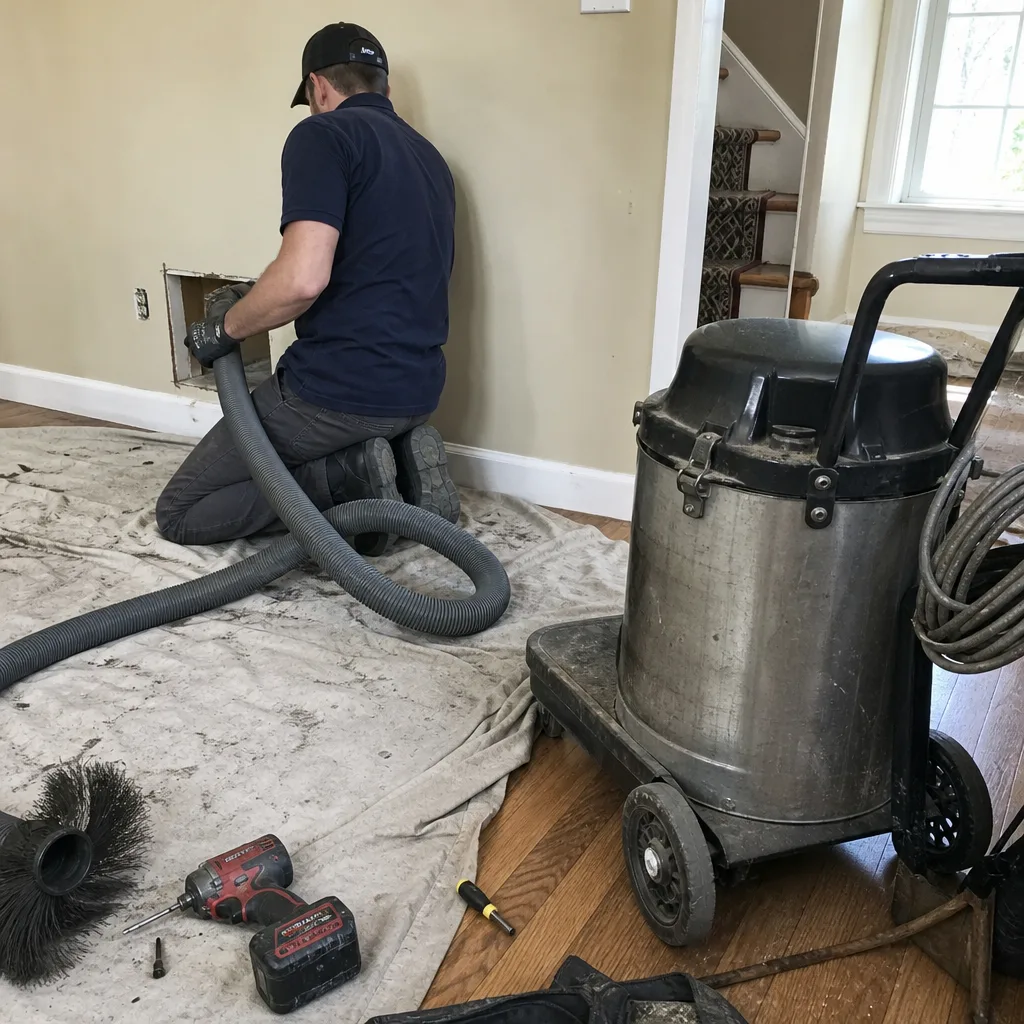 Before
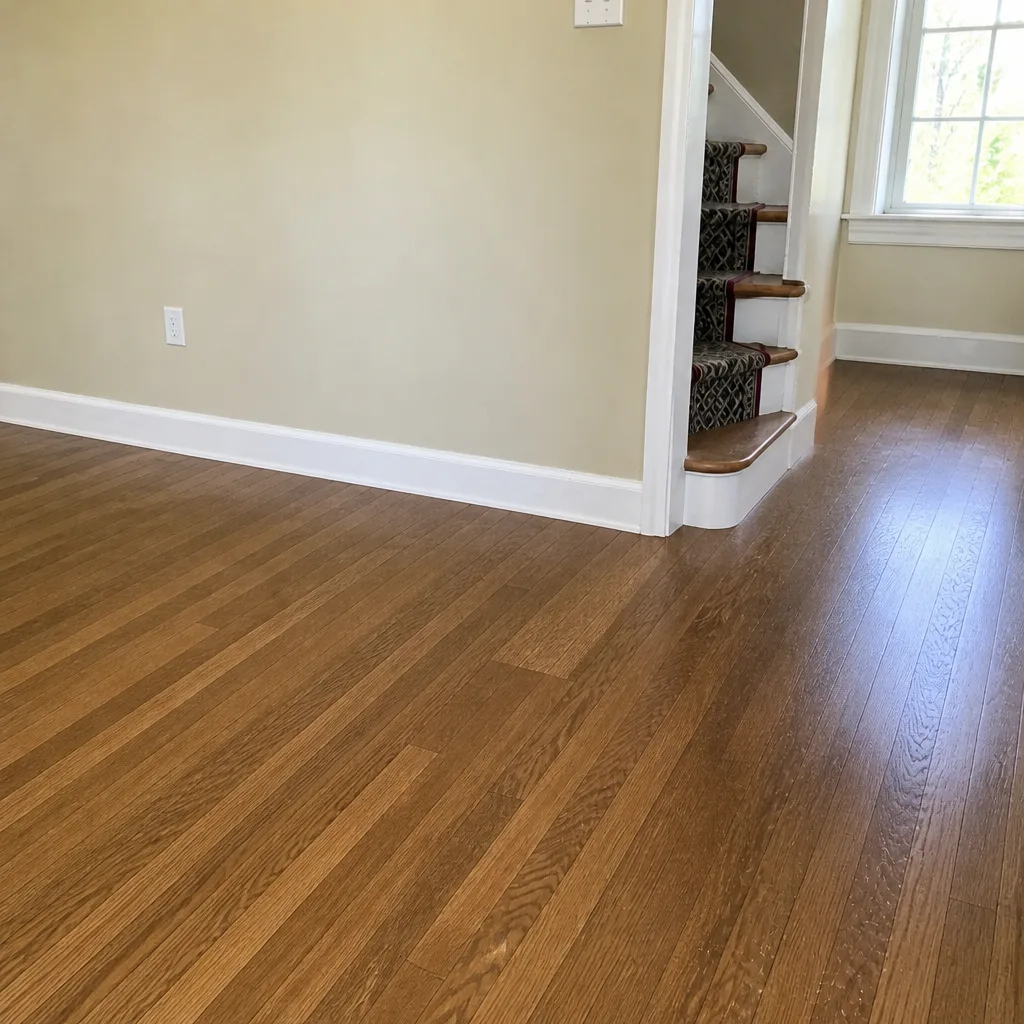 After
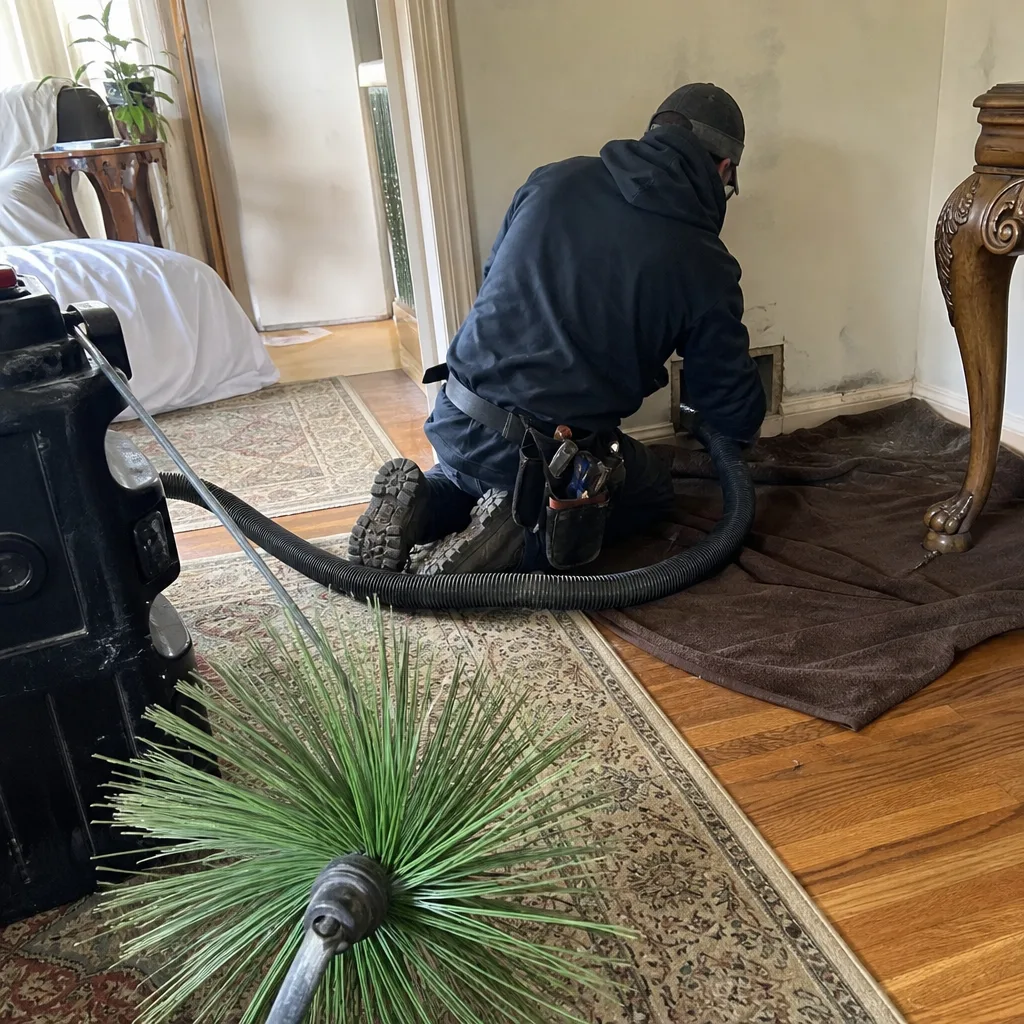 Before
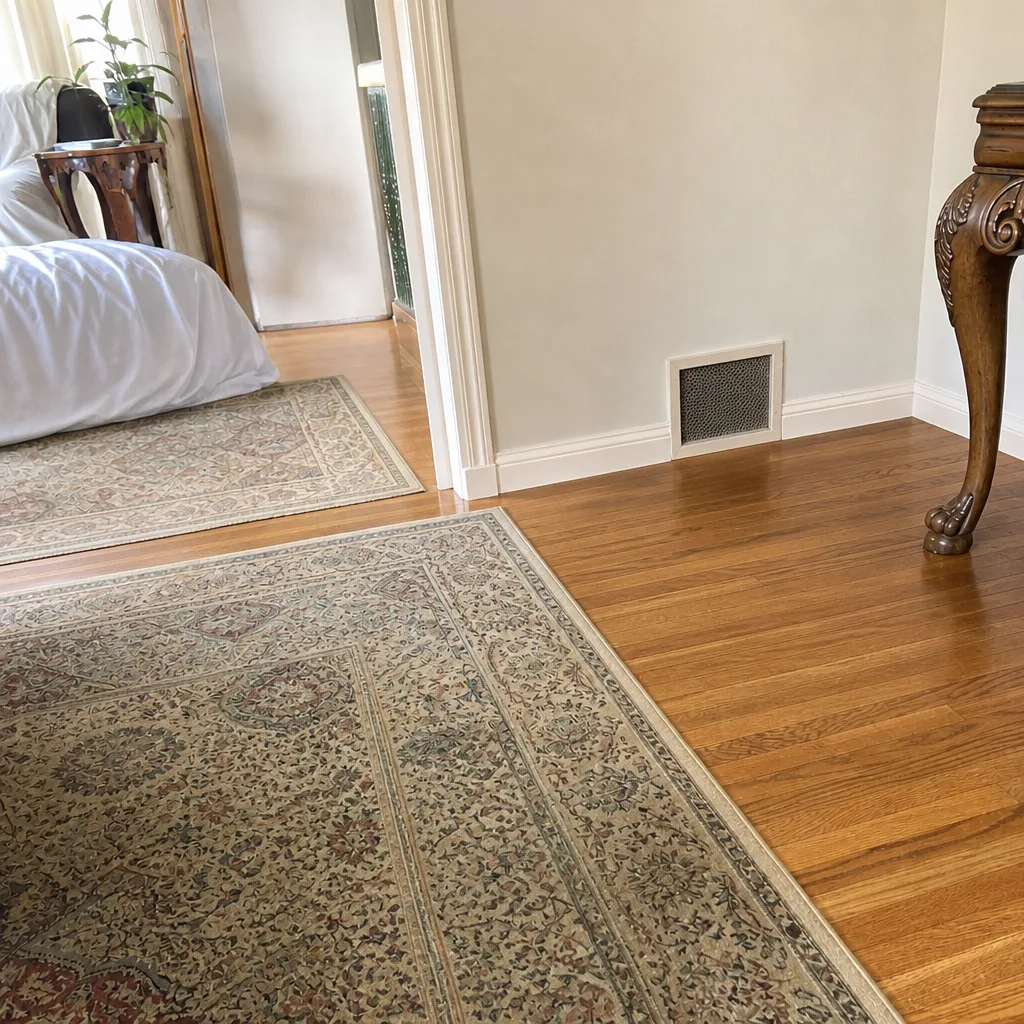 After
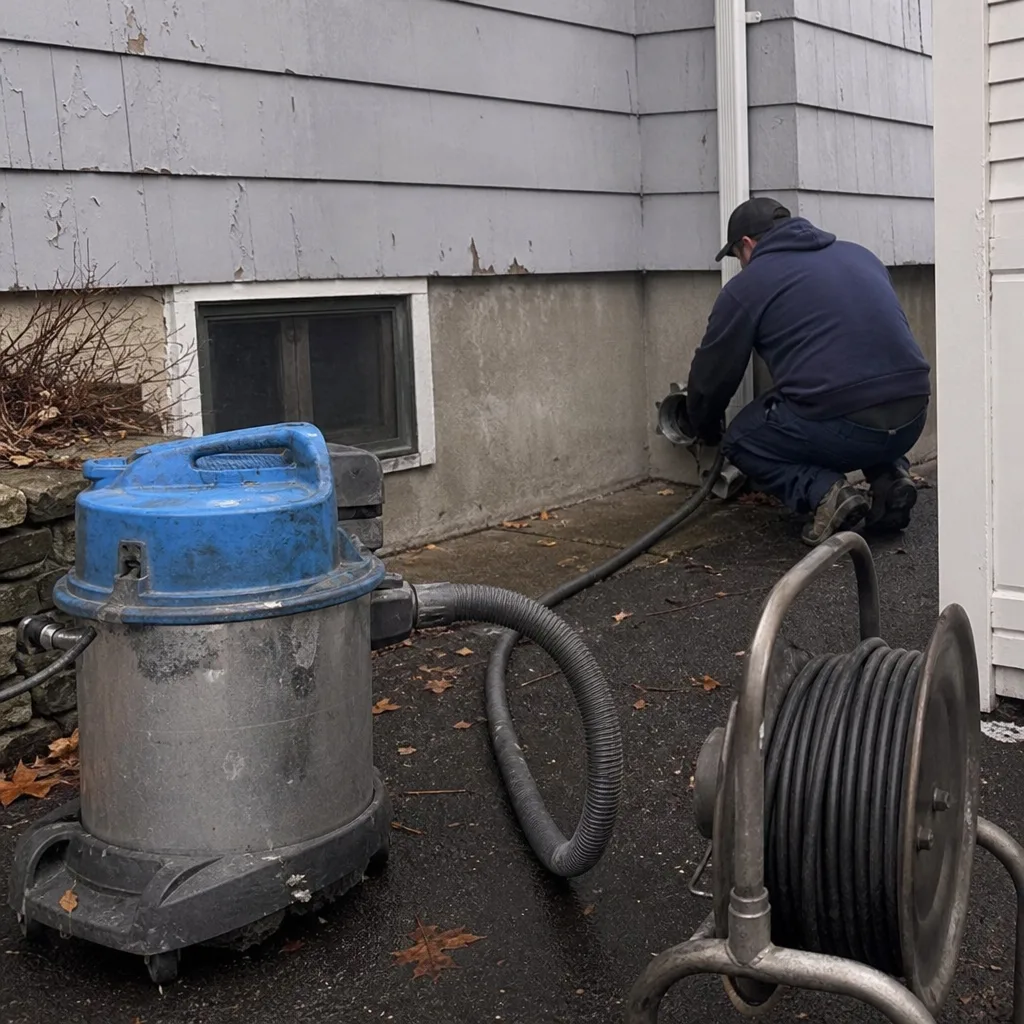 Before
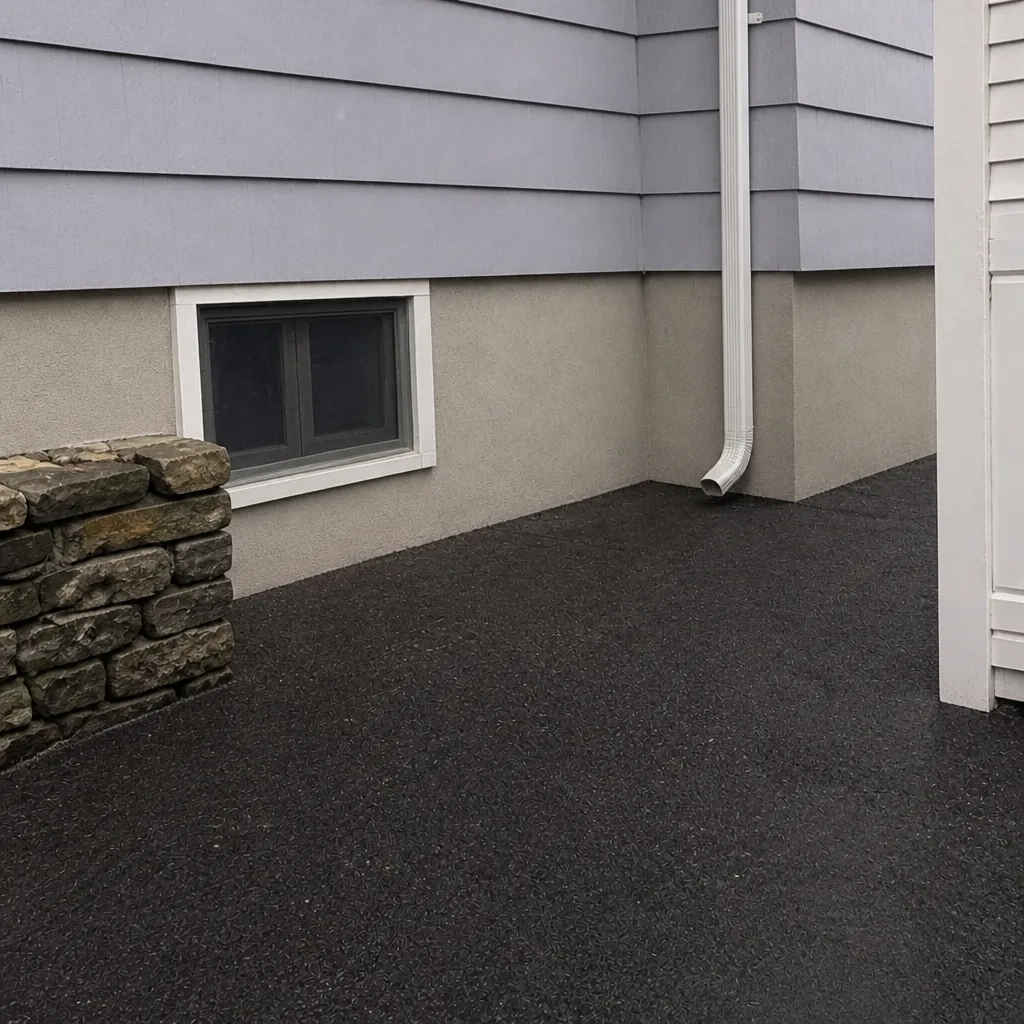 After
When to Call a Professional
Call us when you find any of these: visible biological growth inside the ductwork, musty or earthy odor at the registers, more than an inch of accumulated debris at the return duct mouth, a renovation that ran the HVAC while drywall dust was in the air, rodent evidence in the duct space, or a moisture event near the air handler. Age of your system by itself isn’t a trigger; the results of an inspection are. Duct Cleaning Stamford offers free estimates in Stamford. Call (855) 268-4131 and we’ll schedule a time to look at what’s actually in your system instead of guessing from the calendar. Our technicians have up to 14 years of experience, and we bring Rotobrush and Nikro equipment to every cleaning job.
Frequently Asked Questions
Most Stamford homes should have air ducts cleaned every 3 to 5 years, but the real interval depends on pets, renovation history, occupant health needs, and duct material. Homes with multiple shedding pets or recent drywall work often need cleaning every 2 to 3 years; quiet, well-filtered, pet-free homes can stretch toward 5 to 7. Because Stamford’s coastal humidity raises baseline mold risk, lean toward the shorter end of any range when in doubt. Call (855) 268-4131 for a free estimate, and we’ll look at your system and set a schedule specific to your house.
Filter changes protect the coil and slow contamination but don’t clean accumulated debris from duct walls. Once material has deposited on the duct interior, air movement carries it back into the living space and the filter can’t pull it out from there. Filter discipline is one input to the schedule, not a replacement for it. If your registers show visible buildup or your duct mouth holds dust, professional equipment is what gets it out. Call (855) 268-4131 for a free estimate.
Professional duct cleaning relies on high-volume negative-air extraction paired with rotary agitation tools, not handheld vacuums. That’s why we use Rotobrush and Nikro systems, and Abatement Technologies containment equipment for jobs requiring HEPA-level negative-air. Consumer blowers and shop vacs recirculate the fine particles they can’t capture. When a job involves visible contamination, containment is what keeps the process from spreading particles through the house. Call (855) 268-4131 for a free estimate on your Stamford system.
Yes. We perform air duct repair alongside cleaning, so if we find a disconnected or crushed run during a cleaning, we can fix it in the same engagement instead of handing you a referral. Most duct cleaning companies don’t offer that. It matters because a disconnected flex run will keep pulling attic air into your home no matter how clean the ducts are. Call (855) 268-4131 for a free estimate.
Yes, and it’s often underestimated. Stamford sits against Long Island Sound, and the higher baseline humidity means duct systems that get damp stay damp longer than the same systems in inland towns. That raises mold risk throughout the interval. Any musty odor at a register moves the inspection up. For homes that keep seeing odor return between cleanings, installing or upgrading whole-home humidity control with a Honeywell or Aprilaire system alongside the cleaning is often the durable fix. Call (855) 268-4131 for a free estimate.
Book an inspection after any renovation that involved drywall cutting, sanding, or demolition, even if the system wasn’t running during the worst of it. Renovation dust is finer than ordinary household dust and settles through the system. A post-renovation cleaning with negative-air containment prevents that dust from being recirculated. If your project is scheduled soon, clean after the project, not before. Call (855) 268-4131 for a free estimate.
The Bottom Line
Your duct cleaning schedule should be built from your household’s variables, not pulled off a generic website. Start at 4 years and adjust down for pets, renovation, allergy needs, and flex duct; inspect your registers twice a year; keep your filters and bypass humidifier on their own maintenance rhythm; and treat moisture, musty odors, sewage intrusion, rodent activity, and post-renovation situations as their own triggers. In humid Stamford, a slight bias toward more frequent inspection is a sensible default. If you find something that says “overdue,” call Duct Cleaning Stamford at (855) 268-4131 for a free estimate. We answer 24/7. Fast dispatch from 7am to 7pm, Sunday through Friday.
Written by the team at Duct Cleaning Stamford.