
Last updated November 14, 2026
 Whole-home duct cleaning
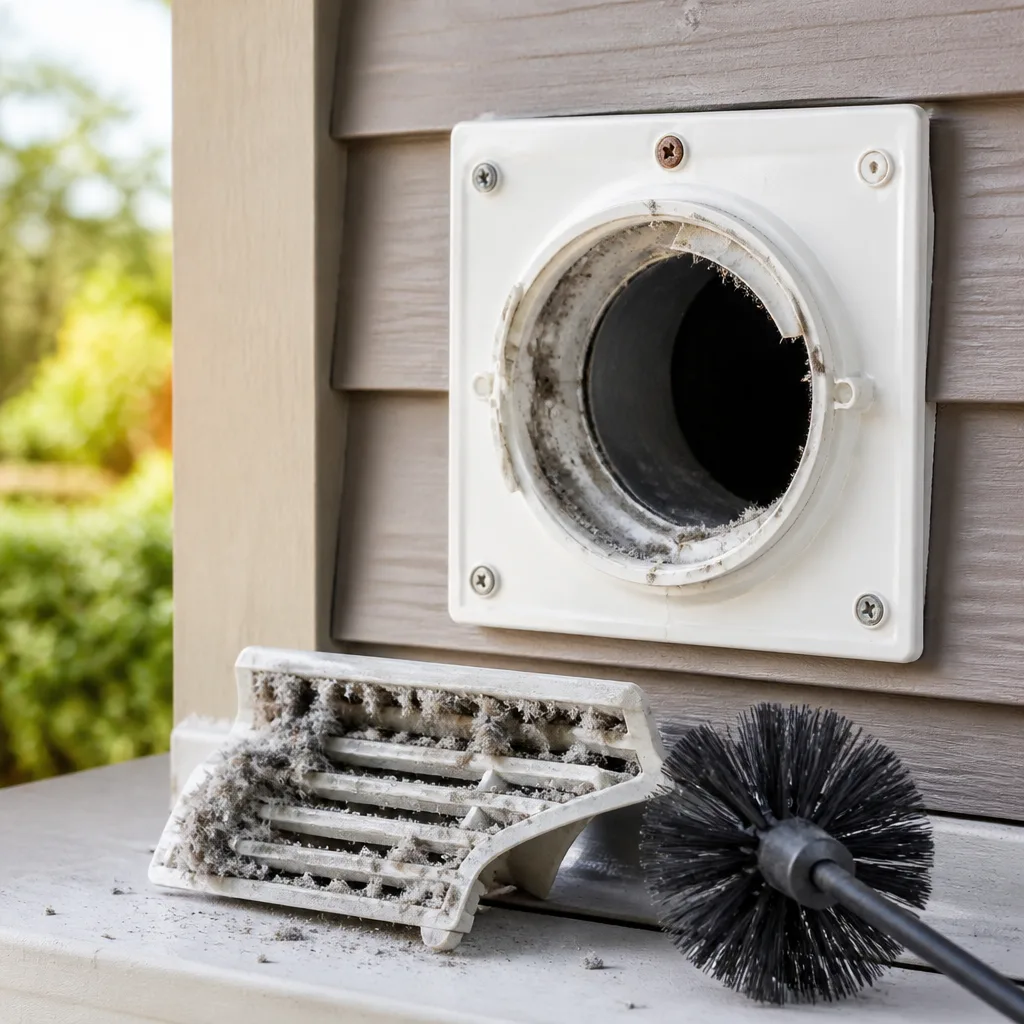 Dryer vent cleaning
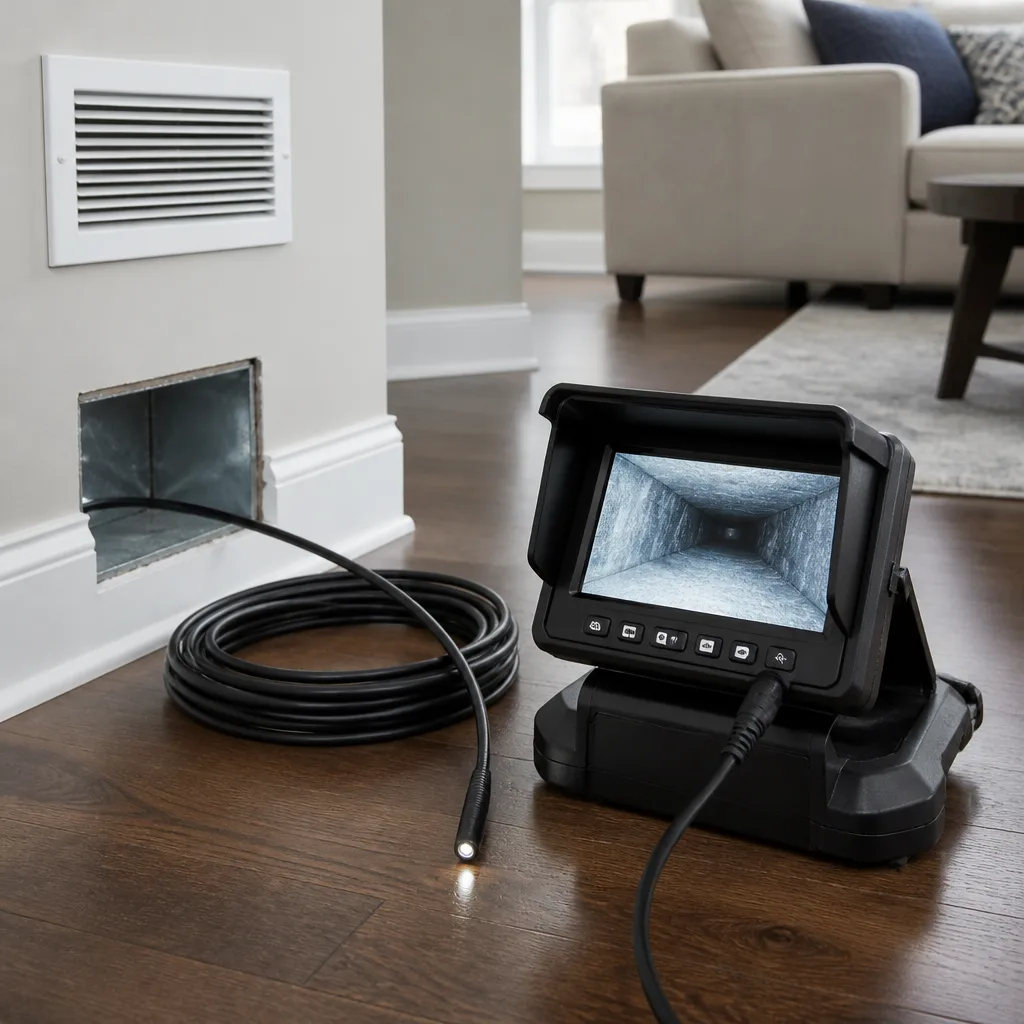 Camera inspection
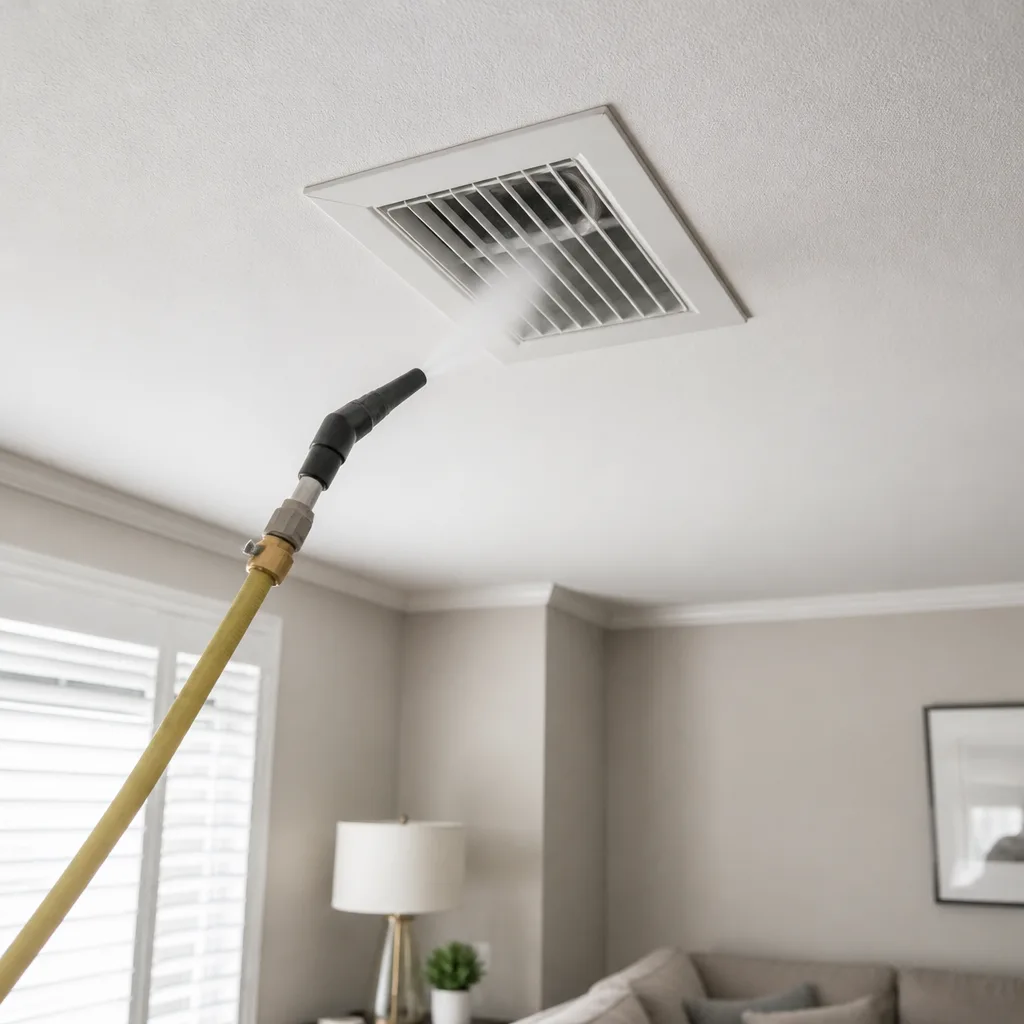 Sanitizing & deodorizing
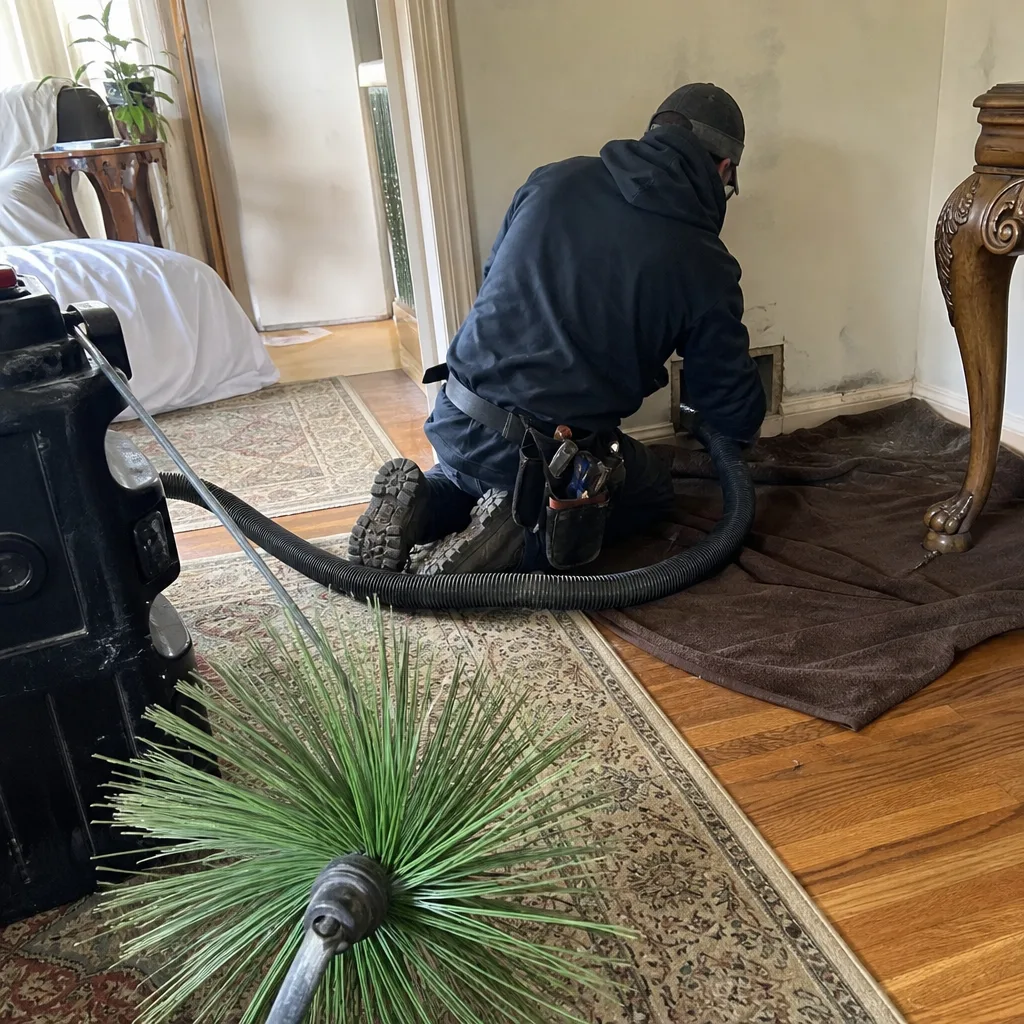
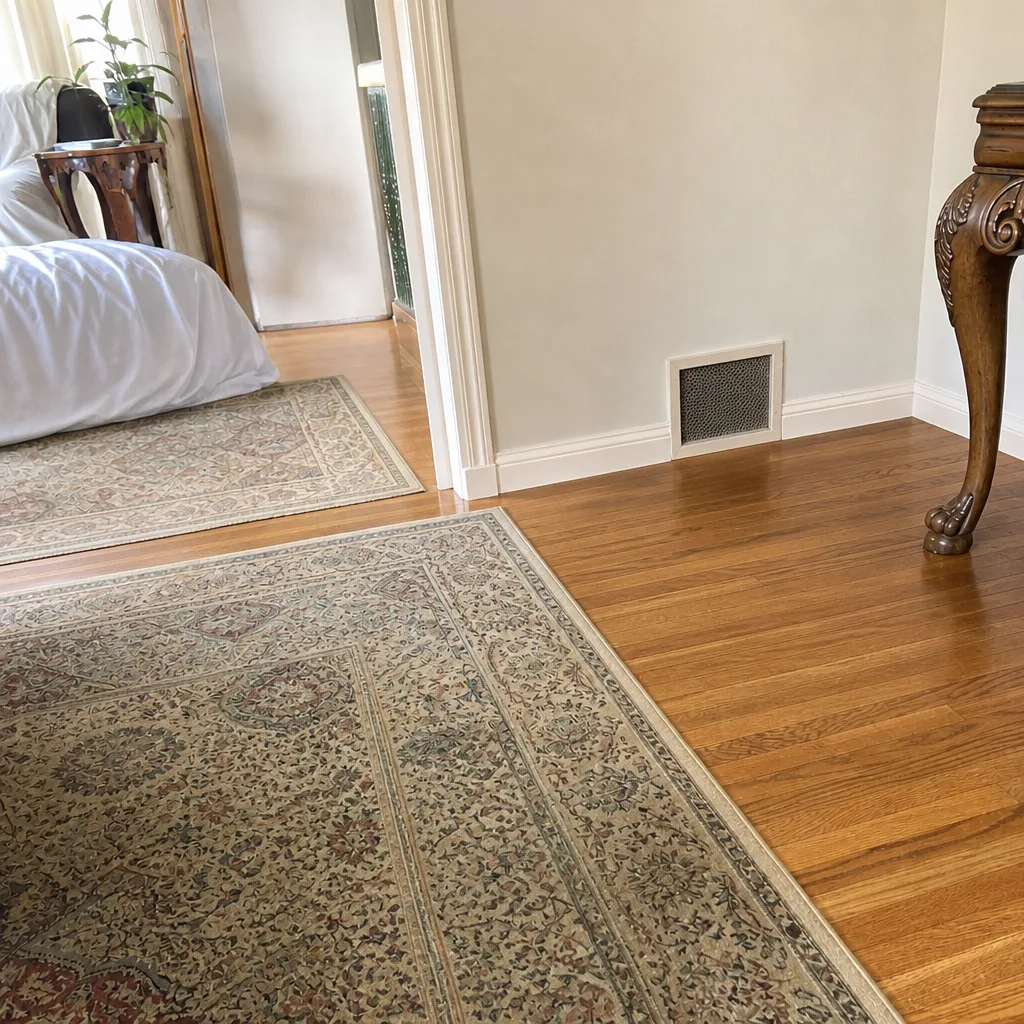
Whole-system duct and dryer vent check with before-and-after photos - you see exactly what came out of your vents
That "$99 whole-house special" is a bait ad - the real number appears once they are in your hallway, or the "clean" is a shop-vac at the register. We photograph the inside of your ducts before and after instead.
Air Duct Cleaning Warning Signs: A Stamford Homeowner’s Reference Guide
Most duct problems don’t announce themselves. They arrive as a bedroom that never quite warms up, a faint smell you stop noticing after a week, or a heating bill that creeps upward without an obvious explanation. The harder part is that all of these signs could mean a simple cleaning, a duct repair, or nothing at all – and guessing wrong is expensive either way. In this Stamford reference guide we separate the warning signs that need action now from the ones that can wait 90 days, explain what your nose can tell you that a thermostat can’t, and flag the local housing and basement conditions that make certain ducts in Stamford worth a closer look.
Quick Answer
The warning signs that point to air duct cleaning in a Stamford home are visible mold at the registers, rodent droppings or heavy debris inside the ducts, musty odors that return after cleaning the room, and persistent dust build-up on vent covers. The signs that point to a repair rather than a cleaning are room-to-room temperature gaps of several degrees, short-cycling, and rising energy bills despite normal equipment. A cleaning without fixing the underlying leak or damage only restores airflow temporarily.
Styles & brands we work with
- Whole-home duct cleaning
- Dryer vent cleaning
- Camera inspection
- Sanitizing & deodorizing
Table of Contents
- Visual warning signs: what needs action now versus what’s cosmetic
- Performance signals: uneven temperatures, rising bills, short-cycling
- Smell diagnostics: musty, burning, and chemical odors
- Cleaning need versus repair need: how to tell which
- Stamford-specific risk factors in older homes
- A step-by-step walkthrough of your own vents
- Stamford signs to monitor for 90 days
- Frequently asked questions
Visual Warning Signs: What Needs Action Now Versus What’s Cosmetic
Not every mark inside a vent cover is a reason to book a job. Dust streaking around the edges of a register is usually just turbulence – air leaking past a loose grille picks up particles and stains the wall around it. That’s a fit issue more than a duct contamination issue, and it’s solved by reseating or sealing the grille. Visible mold, on the other hand, is a different category entirely.
The visual signs worth acting on immediately in a Stamford home are these:
- Mold at the register or inside the boot. Black, green, or greyish fuzz on the metal or on the wall around the register means moisture is present somewhere in the system. Duct cleaning alone doesn’t solve mold; the moisture source does, and a professional should identify whether it’s a leak, condensation, or basement humidity feeding the run.
- Rodent droppings. Droppings, nesting material, or the greasy rub marks rodents leave along a duct are a contamination issue and a health concern. Don’t vacuum these yourself with a household vacuum – it aerosolizes particles. This is a job for contained, HEPA-level equipment.
- Heavy debris visible from the register. Construction dust after a renovation, drywall chunks, dry leaves, or a visible layer of settled material inside the duct is a warning sign that accumulation has crossed into airflow-limiting territory.
- Damaged or torn duct liner. Fibrous material visible inside the duct – especially crumbling or frayed – usually means the internal insulation is failing and needs a repair decision, not a cleaning pass.
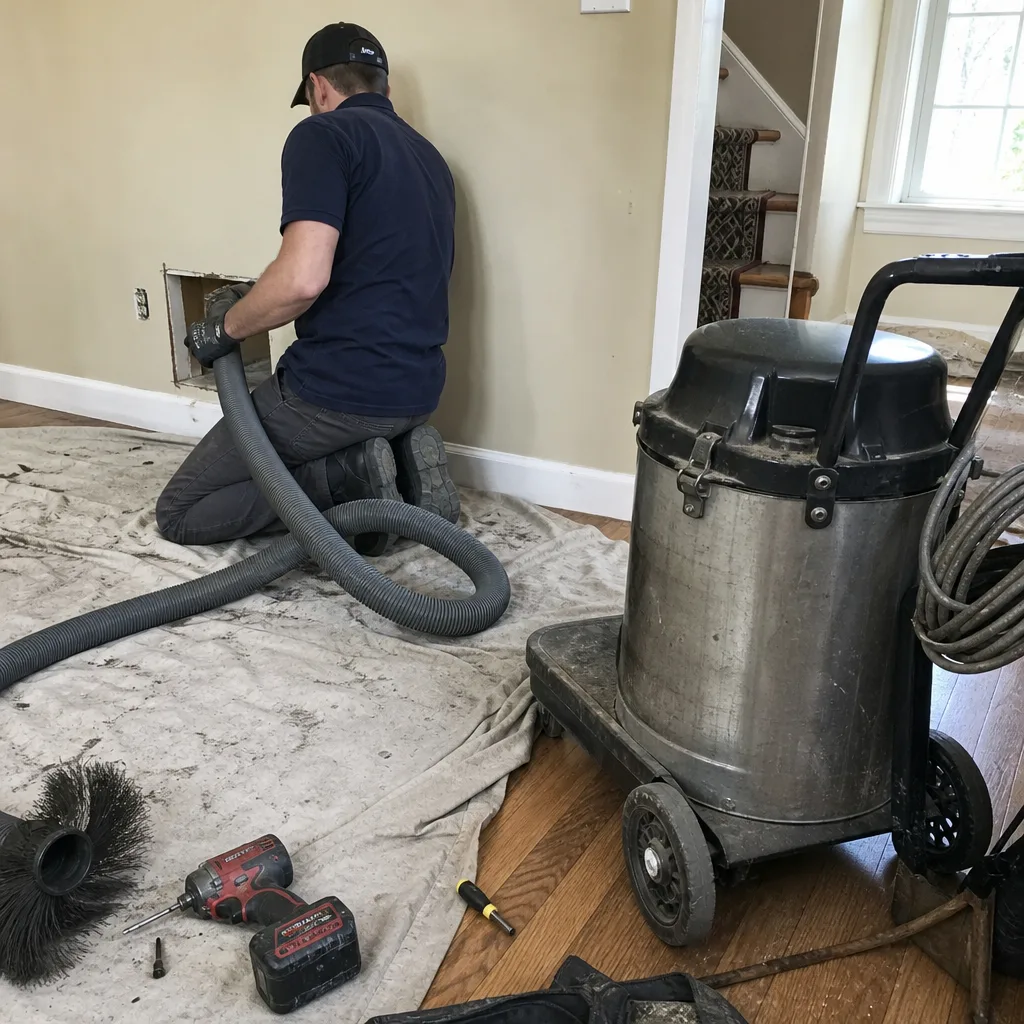
In our experience a lot of Stamford calls come in after a renovation. Contractors close up walls, and dust from cutting, sanding, and demolition gets pulled through return grilles for weeks. That’s a case where professional-grade equipment like the Rotobrush system we use is genuinely necessary – a shop vac just redistributes the dust.
Performance Signals: Uneven Temperatures, Rising Bills, Short-Cycling
Heating and cooling equipment gets blamed for a lot of problems that live in the ducts. If one room in your Stamford home runs 4 to 6 degrees colder than the thermostat setting, that’s a signal the ducts deserve a look before the furnace or the air handler does. Airflow gaps of that size almost always trace back to one of three things: a disconnected duct in the attic or crawlspace, a crushed flex run behind a wall, or a damper that’s closed or blocked.
Watch for these performance-based signals specifically:
- One room that never matches the rest. A consistent gap in the same room, season after season, is a duct layout or duct damage signal.
- Rising energy bills with no other explanation. If your usage pattern hasn’t changed but your bill has climbed over two or three billing cycles, a leaking duct system is one of the first things to rule out.
- Short-cycling. Equipment that turns on, runs briefly, and shuts off before satisfying the thermostat is often fighting a pressure problem – and unrestricted return airflow is part of that equation. A clogged return trunk or a collapsed section of ducting can force the system to work harder than it should.
- Weak airflow at specific registers. Hold your hand near each vent in the house. If three feel strong and one feels like a whisper, the weak one has a delivery problem upstream.
- Excess dust settling on surfaces within days of cleaning. That’s often a sign the supply side is pushing particulate out of the ducts into the living space.
Stamford’s mix of housing stock – a lot of capes and colonials with original forced-air layouts alongside newer construction – makes this a common call. A duct system that was sized for one furnace 40 years ago and has been retrofitted more than once tends to have a few problem runs.
Smell Diagnostics: Musty, Burning, and Chemical Odors
Your nose is a diagnostic tool if you time it right. What matters is (a) what the smell is and (b) when you smell it – at startup, all the time, or only after the system runs a while.
- Musty, earthy, or “wet basement” odor. That’s moisture and mold. If it’s strongest in one room and fades when you leave the vent, the contamination is likely in that branch or in the supply trunk serving it. If it’s everywhere, the source is often a humid basement or crawlspace where ducts run through unconditioned space. In high-humidity Stamford basements with fiberglass duct liner, the liner itself becomes the growth surface.
- Burning or overheated dust smell at startup. A slight dusty smell during the first minutes of heating season is normal – dust settles on the heat exchanger during the off season and burns off. A smell that persists past 20 or 30 minutes, or that comes back mid-cycle, points to debris sitting on the heat exchanger or in the supply plenum. That’s a safety concern and a technician should inspect it. Turn the system off and call a professional.
- Chemical or plastic smell. Duct liner degradation or an off-gassing material inside the system can produce a chemical odor. If it’s persistent and not tied to the start of the heating season, get it looked at. Don’t mask it with a plug-in.
Time the smell in a notebook for a week. Write down the room, the time of day, and whether the system was just starting up. That pattern is often more useful to a technician than any description over the phone, and it’s the kind of observation that separates a real diagnosis from guesswork. Our technicians have up to 14 years of experience, and pattern information like this is what they lean on to narrow down where the issue lives before anyone opens a plenum.
Cleaning Need Versus Repair Need: How to Tell Which
This is the part of the decision most homeowners get wrong, and it’s where a lot of money gets spent badly. A cleaning removes accumulated debris. A repair addresses a structural failure in the duct system itself. If the ducts are leaking or disconnected, cleaning them first makes the leak worse, because you’ve just reduced the resistance the system was fighting against.
Here’s a simple way to sort it.
Lean toward cleaning when:
- You’ve just finished a renovation and construction dust is visible in the returns.
- You see mold or dust build-up at the registers but temperatures room-to-room are close to even.
- Yearly dust load in the house is heavy and consistent but airflow feels normal.
- You’ve recently moved in and don’t know the history of the system.
- You notice a mild musty smell that clears when the HVAC runs with fresh filter changes.
Lean toward repair when:
- One or more rooms are consistently several degrees off.
- You can find a disconnected or sagging flex run in the attic, basement, or crawlspace.
- The duct liner is torn, frayed, or crumbling along a visible run.
- A return is pulling air from a space that shares air with a furnace or water heater (a combustion-air concern).
- You hear a hiss, whistle, or rattle from inside a wall cavity when the blower is running.
The reason this matters is that most duct cleaning companies only clean. They hand you a referral and walk away, and the underlying problem stays. We offer Air Duct Repair alongside cleaning precisely because the two decisions overlap so often. We clean it. If we find damage, we fix it – from the duct opening to the main trunk line – so the next season isn’t the same call again.
Stamford-Specific Risk Factors in Older Homes
Not every duct problem looks the same from city to city, and Stamford’s housing stock has a few patterns worth knowing about. A lot of Stamford homes were built before 1970 and still run their original galvanized sheet-metal ducts, sometimes alongside cast-iron radiator systems that were partially converted to forced air. Those old galvanized runs develop seam separation over decades, and a seam gap underneath insulation is invisible until airflow problems show up.
Three specific risk factors come up repeatedly in Stamford:
- Vermiculite insulation near duct chases. Vermiculite was installed in many mid-century attics and wall cavities, and some of it may contain asbestos. This is not a material anyone should disturb during a routine cleaning. If you know or suspect vermiculite is present around your ductwork, mention it before any service so containment and testing can be handled properly by a trained professional. Don’t remove or disturb it yourself.
- Fiberglass liner degradation in high-humidity basements. Internal duct liner was common in the 1970s and 1980s, and it holds up reasonably well in dry climates. In Stamford’s humid summers, a liner that has been damp through a leak or condensation becomes friable. That’s a repair issue, and often a cleaning-then-repair sequence to do it right.
- Ductwork running through unconditioned attic space. Many Stamford capes have supply runs through the attic or knee-wall areas where temperatures swing far beyond what a duct system was designed for. Insulation failure there is common and airflow loss is significant.
When a job involves heavy debris, visible contamination, or post-renovation cleanup, contained extraction matters. Our setup includes Abatement Technologies equipment for negative-air and HEPA-level containment, which is the correct tool when you’re dealing with something more than standard household dust. Powering the cleaning itself, we run professional Rotobrush and Nikro systems – the same class of equipment HVAC contractors and restoration crews use, not consumer-grade shop vacuums.
A Step-by-Step Walkthrough of Your Own Vents
You can inspect your own registers in about 20 minutes without any tools beyond a flashlight and a step stool. This isn’t a diagnosis – it’s a way to give a professional useful information and to know when to stop and call.
- Remove one supply register in each zone of the house. Use a screwdriver or just lift the grille. Look inside the boot (the metal or plastic box behind the wall). Note dust level, visible debris, and any staining or fuzz.
- Shine a light down the run. You’re looking for settled material, visible gaps in the duct seam, or torn insulation.
- Check the return grilles. Returns pull more volume than supplies, and they show build-up faster. The filter slot and the surface behind it are the two spots to focus on.
- Do the hand test at every supply. Note which registers feel weak and which feel strong. Write it down.
- Check the basement or attic for disconnected runs. Look at any visible flex duct for kinks, sagging, or a section that has come off its collar. Don’t crawl into tight spaces or move insulation; just look at what’s accessible.
- Sniff each vent. Note any odor and when it appears – at startup, always, or seasonal.
- Stop at the heat exchanger. Do not open the furnace cabinet to inspect inside. If you suspect debris burning off or a smell from the supply plenum, turn the system off and call a professional – the components inside carry real risk of shock, burn, or carbon monoxide exposure.
That’s the full scope of what a homeowner should do personally. Anything past the register or the accessible attic is a job for a technician with the right equipment, and honestly, that’s a good thing – the interior of a forced-air system is one place where “doing it yourself” doesn’t pay off.
Stamford Signs to Monitor for 90 Days
Some warning signs are real but slow-moving. Booking a service the moment you notice a hint of dust is unnecessary. So is ignoring a symptom until it gets expensive. Here’s how we split them.
Symptoms to monitor for 90 days:
- A single vent with light dust build-up and no odor.
- Mild, seasonal mustiness in one room that fades with the season change.
- Dusty smell at the start of heating season that clears in 20 minutes.
- A mild uptick in dust on surfaces after a window renovation project.
Symptoms to act on now:
- Any visible mold at a register.
- Rodent droppings or nesting material in a duct.
- Burning smell from a supply vent that doesn’t clear at startup.
- Temperature gaps of 4 degrees or more between rooms that persist through seasons.
- Persistent musty odor in the whole house despite filter changes.
- Chemical or plastic smell that returns with the system running.
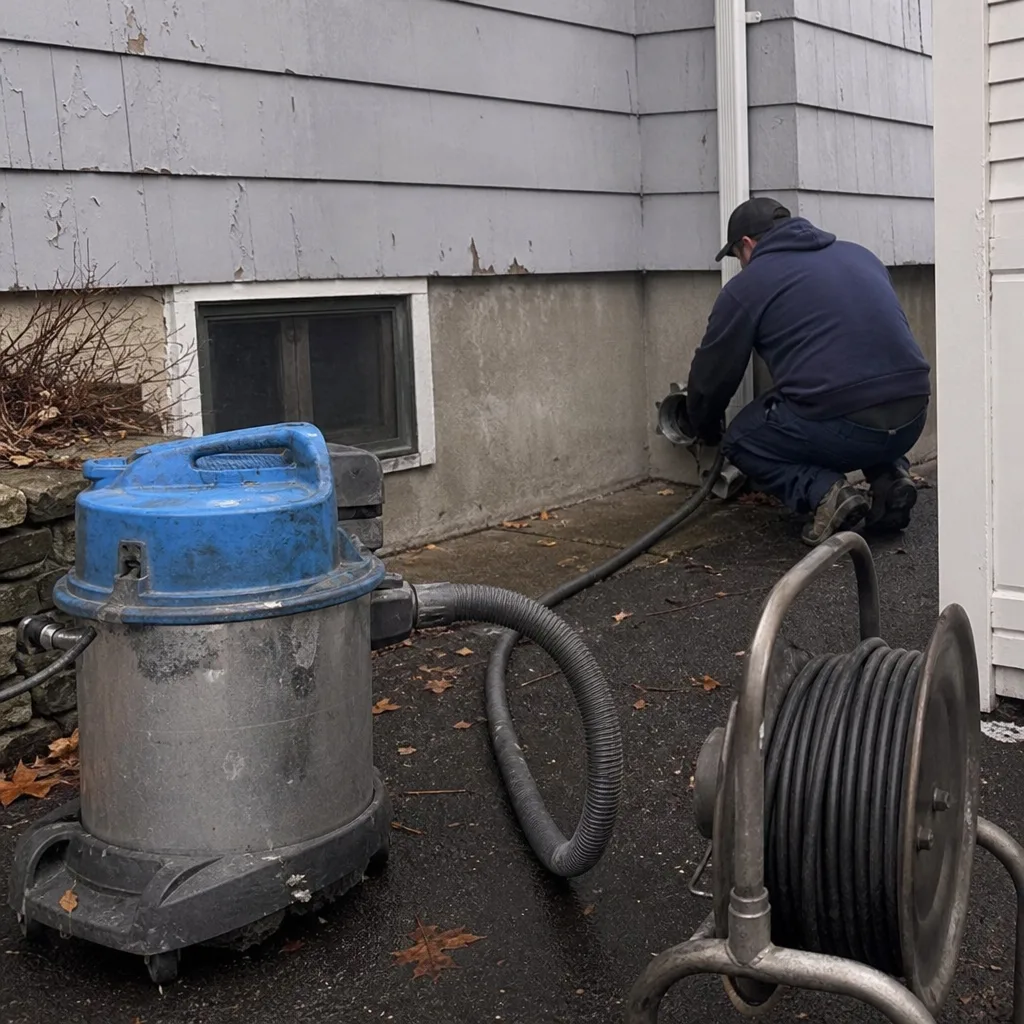
Set a reminder and revisit the monitored items in 90 days. If they’ve stabilized or improved, you probably don’t need a service visit – though replacing the filter on schedule and keeping registers open and clear is still worth doing. If they’ve gotten worse, or a new item from the act-now list has appeared, that’s the moment to call. And if you’re going to call either way, the same visit is a good time to inspect the dryer vent cleaning side of the system – a clogged dryer vent is a genuine fire hazard, not a minor chore, and it’s the one duct in the house that fails silently until it fails badly.
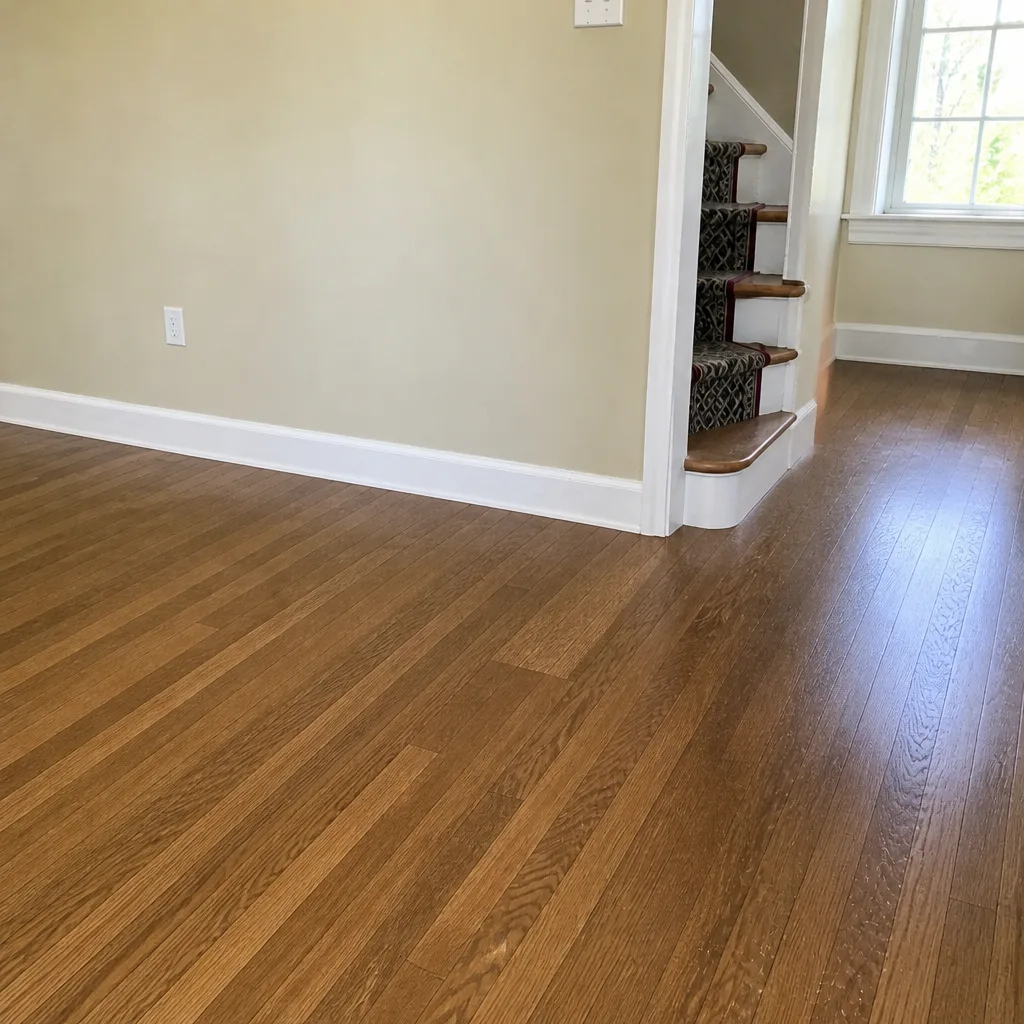
See the difference
 Before
 After
 Before
 After
 Before
 After
Common Mistakes to Avoid
- Booking a cleaning when the real issue is a disconnected duct. If you’ve got a 5-degree room, cleaning the system won’t fix the gap – the fix is a repair at the disconnected joint. Ask any company whether they also do duct repair before you book.
- Hiring the cheapest coupon in the mailbox. A cut-rate cleaning is usually a shop-vac pass at two registers with a “cleaning” line item that doesn’t reach the main trunk. Look at what equipment is used – Rotobrush and Nikro systems are the professional standard, and a service that can’t name its equipment is probably not running either.
- Vacuuming mold or rodent droppings with a household vacuum. Household vacuums exhaust fine particles back into the room, which is exactly what you don’t want with contamination. HEPA-level containment is the difference between removing a problem and spreading it.
- Ignoring the basement when the ducts run through it. A lot of Stamford homes have fiberglass-lined duct in a humid basement. If you clean the duct but don’t address the humidity or the liner, the growth returns within a season.
- Skipping the dryer vent because “it still works.” A dryer vent still dries clothes long after it’s become a fire hazard. Lint buildup in the vent is the leading cause of dryer fires, and it’s the most easily prevented one.
- Assume new construction is fine. If you moved into a recently built Stamford home, you’re likely the first owner of the duct system – and that means construction dust, drywall residue, and pack-out debris are still in there. New ducts often need a first cleaning sooner than you’d think.
- Treating a burning smell as normal. A startup dust smell is normal. A burning smell that comes back or lingers isn’t. Turn it off and call.
When to Call a Professional
Call a professional if you see mold at any register, find rodent droppings in a duct, notice a burning smell that persists past startup, feel a temperature gap of 4 degrees or more between rooms, or hear a hiss or rattle inside a wall when the blower runs. Call also if you’ve just completed a renovation and the returns are pulling construction dust, or if you’ve never had the ducts cleaned in a home you recently bought. For anything past the register – liner damage, disconnected flex runs, seam separation – it’s a professional job and not something to attempt at home. Our technicians have up to 14 years of experience and can identify cleaning versus repair on the same visit. Duct Cleaning Stamford offers free estimates in Stamford – call (855) 268-4131. We answer 24/7. Fast dispatch from 7am to 7pm, Sunday through Friday.
Frequently Asked Questions
You need cleaning if you see visible mold at a register, rodent droppings in a duct, a heavy layer of settled debris inside the duct, or consistent dust build-up on vent covers despite regular filter changes. You don’t need cleaning just because a company sends a coupon or because it’s been a few years since the last service. The visible-inspection signs and the performance signs are the two honest triggers.
Cleaning removes accumulated debris from inside the ducts. Repair fixes structural problems in the duct system itself – a disconnected joint, a crushed run, torn internal liner, or seam separation. They solve different problems, and a cleaning without repair on a leaking system is money spent twice. We do both, which is why a single visit can end with clean ducts that actually hold airflow.
Not always, but often. Musty odors in a Stamford home point to moisture – which can mean mold growth, damp insulation inside a duct, or humidity entering through a basement-level return. If the smell returns after you clean the room and change the filter, it’s time to look inside the ducts and at the humidity source.
Sometimes, sometimes not. If the room is cold because the run to that room is clogged with debris, cleaning fixes it. If the run is disconnected, crushed, or undersized, cleaning won’t help and a repair is what’s needed. The hand test at each register – and comparing run-to-run airflow – separates the two cases quickly.
For most homes, every 3 to 5 years is a reasonable baseline, but the honest answer is “when the conditions warrant it” rather than “on a schedule.” Recent renovation, water damage, a new pet, a move-in to a previously occupied home, or visible signs at the registers all push the timing sooner. A house with none of those signals and even airflow doesn’t need a cleaning just because a period has passed.
No, it’s a separate duct and a separate service, but it’s the one duct in a Stamford home most worth not ignoring. Lint buildup in a dryer vent is the leading cause of dryer fires, and the warning signs – longer dry times, a hot dryer exterior, a musty smell in the laundry room, or visible lint at the exterior flap – are worth acting on straight away. A professional dryer vent cleaning is often scheduled alongside an air duct cleaning for the same visit, which is practically convenient and safer for the household.
The Bottom Line
Most duct problems in a Stamford home start quietly – a room that runs cold, a smell you’ve decided isn’t quite a smell, a bill that crept up without a reason you can name. The warning signs matter because they tell you which problem you’re looking at: a cleaning issue, a repair issue, or something else entirely. Mold, droppings, and burning odors need action now. Light dust, mild seasonal mustiness, and a startup smell are worth monitoring for 90 days. The one mistake that shows up again and again is treating a repair problem with a cleaning. Our approach is simple: professional-grade equipment – Rotobrush and Nikro systems, Abatement Technologies containment when it’s needed – clean ducts from the register to the trunk line, and if we find damage, we fix it in the same job. Call (855) 268-4131 for a free estimate. We answer 24/7. Fast dispatch from 7am to 7pm, Sunday through Friday.
For the broader picture of how we work, see Duct Cleaning Stamford, and if you’re ready to book, start with a free estimate on air duct cleaning and add a dryer vent cleaning in the same visit. If you’re in another part of the region, our Stamford service area page covers what we handle.
Written by the team at Duct Cleaning Stamford.