
Last updated November 14, 2026
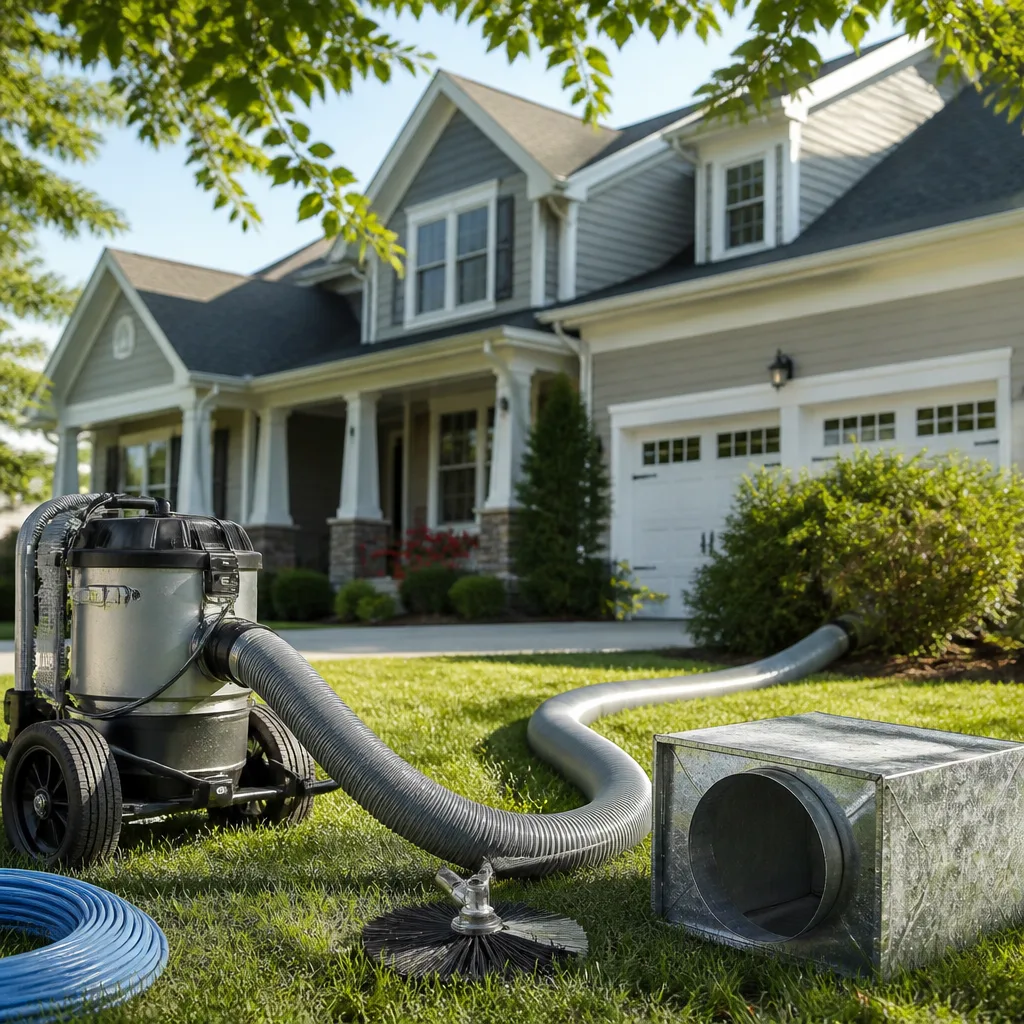 Whole-home duct cleaning
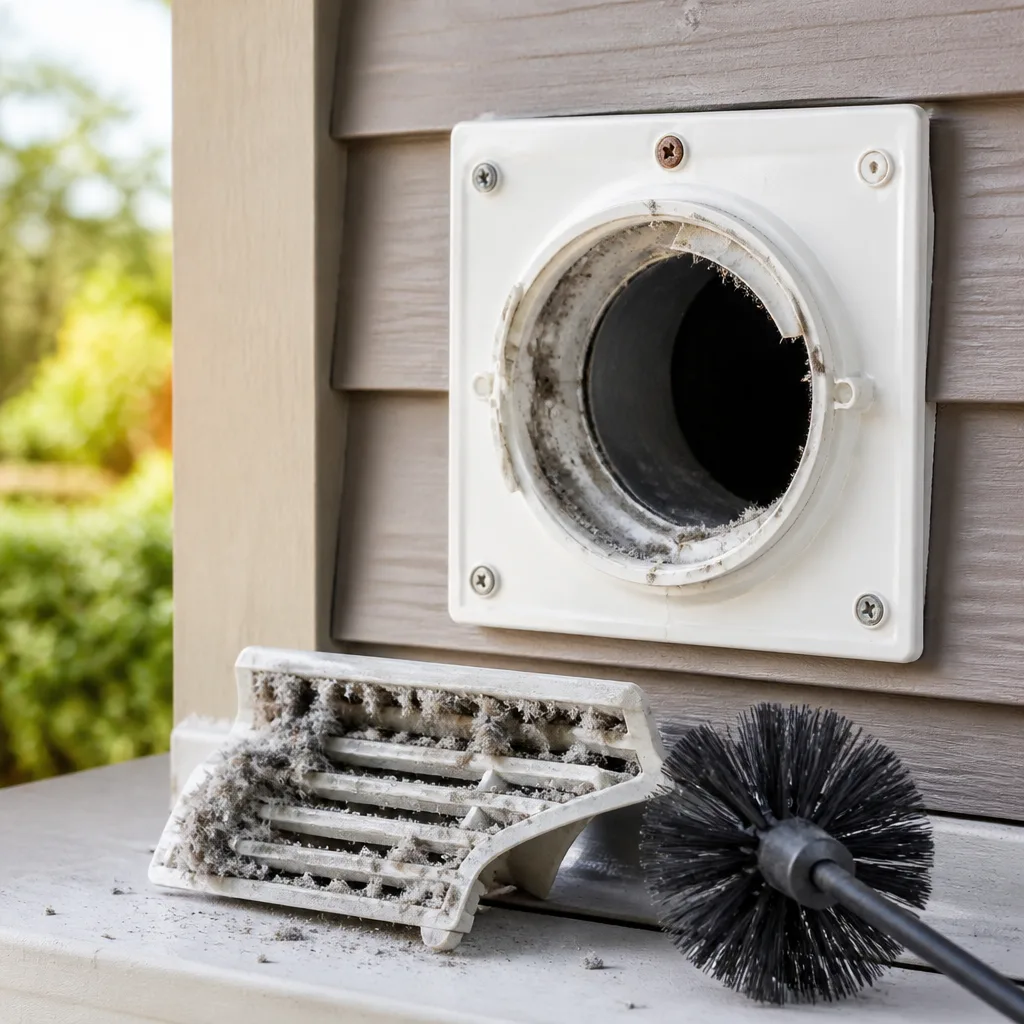 Dryer vent cleaning
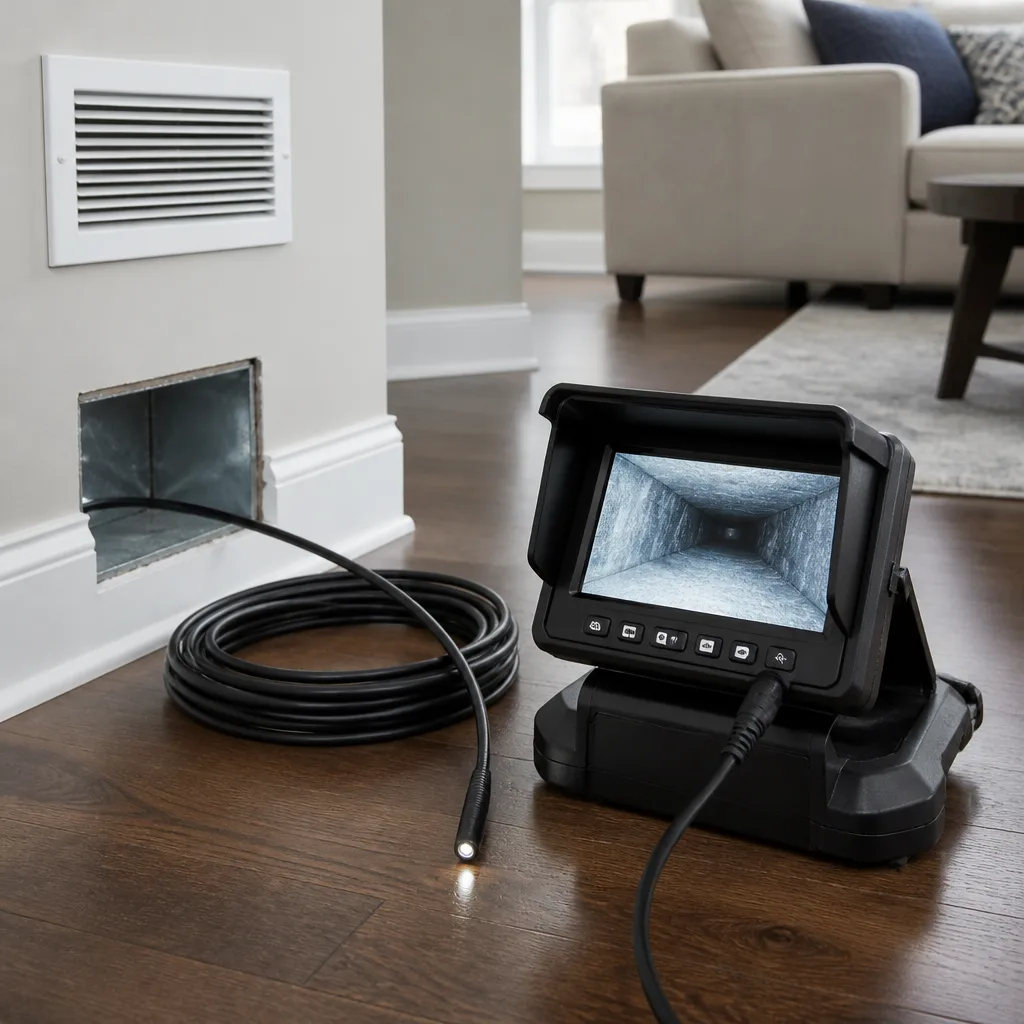 Camera inspection
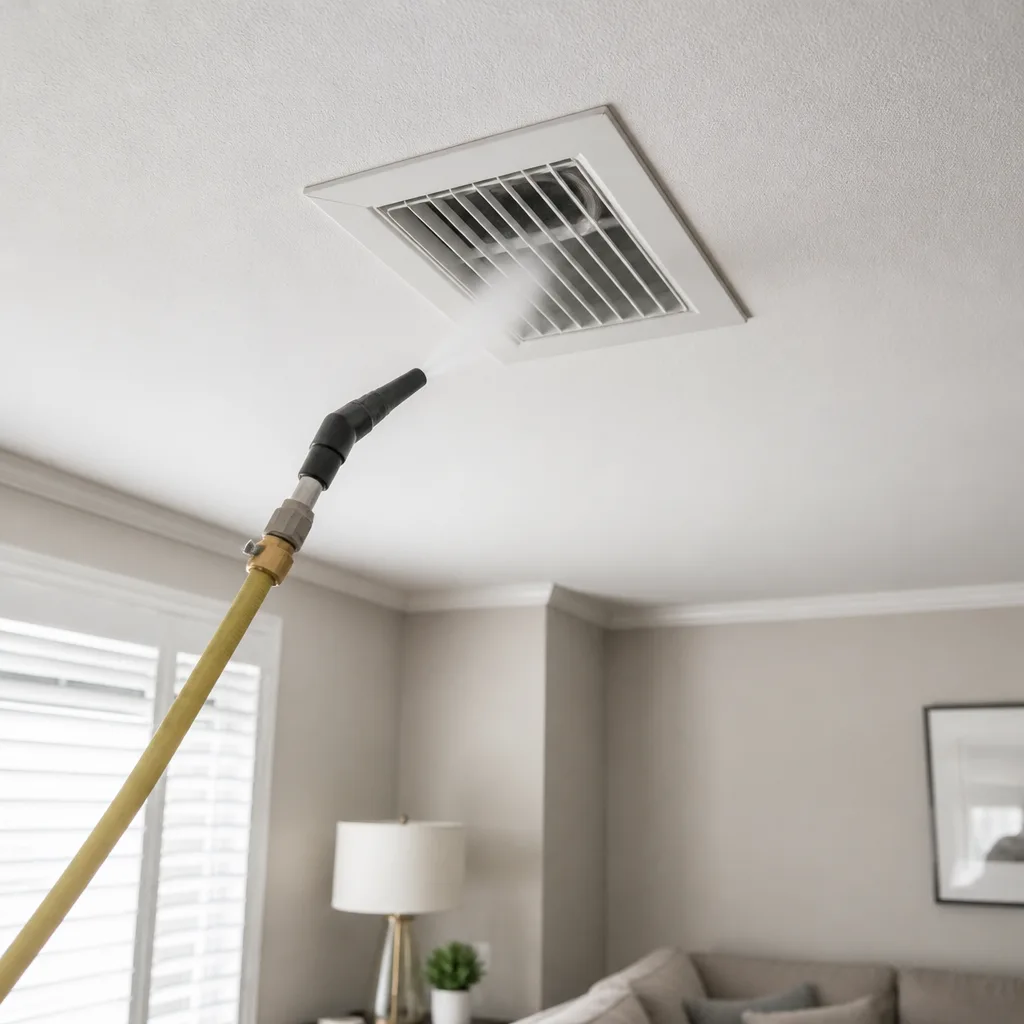 Sanitizing & deodorizing
Whole-system duct and dryer vent check with before-and-after photos - you see exactly what came out of your vents
That "$99 whole-house special" is a bait ad - the real number appears once they are in your hallway, or the "clean" is a shop-vac at the register. We photograph the inside of your ducts before and after instead.
The Complete Guide to Air Duct Cleaning in Stamford
Most Stamford homeowners treat duct cleaning as a one-time checkbox: book it, get it done, forget it. That framing misses the point. The real value of having your ducts cleaned lies in what a proper full-system inspection turns up while the equipment is running. A shop vac and a truck-mounted negative-pressure unit are not the same tool, yet most quotes in Stamford don’t tell you which one is showing up at your door. This guide walks through what contractor-grade equipment actually does, why Stamford’s older housing stock changes what a sensible cleaning scope looks like, and how to read a job report so you know the work was real. You’ll finish with a clear picture of what to expect, what to ask, and when to push back.
Quick Answer
Air duct cleaning in Stamford is a full-system process that uses negative-pressure equipment and HEPA filtration to remove debris from every branch of your ductwork, not just the visible registers. A complete job includes a before-and-after inspection, a duct integrity check for leaks and crushed flex, and documentation of what was found. Source removal to a recognized standard (NADCA) is the benchmark to ask for, and any quote that can’t name its equipment is worth a second look.
Styles & brands we work with
- Whole-home duct cleaning
- Dryer vent cleaning
- Camera inspection
- Sanitizing & deodorizing
Table of Contents
- Why Duct Cleaning in Stamford Is About More Than Dust
- What Professional-Grade Equipment Actually Does
- How Stamford’s Older Housing Stock Changes the Scope
- Source Removal vs. “Blow and Go”
- The Duct Integrity Check Nobody Talks About
- What a Finished Job Report Should Contain
- How Often Do Stamford Ducts Need Cleaning?
- Common Mistakes to Avoid
Why Duct Cleaning in Stamford Is About More Than Dust
Ductwork is infrastructure. It’s the delivery system that carries every cubic foot of conditioned air through your home, and its condition affects air quality, energy efficiency, and how evenly rooms heat and cool. If a return duct has pulled apart at a joint, or a section of flex duct has been crushed behind drywall, no amount of vacuuming at the register will fix the underlying problem. You might clean the system, but you’ll still be pushing air into the cavity behind the drywall instead of into the living room.
That’s why we treat cleaning as a chance to inspect. While the negative-pressure unit runs and the air whip works its way down a branch line, the technician can see what’s happening inside the trunk and branch ducts. Loose joints show up. Collapsed flex shows up. Ductwork that was never properly sealed at install shows up. In our experience, most Stamford duct issues are found during cleaning, not before. Homeowners call about dust and end up finding out a run in the second-floor ceiling is disconnected.
What’s Actually In Your Ducts?
The contents of residential ductwork are usually a mix of the obvious and the surprising. Construction dust from a recent renovation sits alongside settled household dust, pet dander, and the fine particles that slip past even a good filter. In Stamford homes near renovation activity (and there’s plenty of it), that construction dust can linger for months. So can drywall dust from a kitchen or bath remodel, which is fine enough to travel far and settle deep in the trunk line.
- Construction debris: drywall dust, sawdust, and drywall scraps left behind after renovations.
- Household dust and dander: the everyday accumulation of living in a space with pets, cooking, and foot traffic.
- Biological material: the damp, dark conditions inside some ducts can support mold growth, particularly when humidity control is weak.
- Pest evidence: droppings, nesting material, or worse from mice and insects that use duct runs as highways.
- Old filter residue: the compacted gray dust that builds up at return plenums when filters run past their change date.
None of these are cause for panic, but each of them is a reason to know what’s actually inside the system before work starts. Contact us to schedule an inspection if you’re not sure what shape your ducts are in.
What Professional-Grade Equipment Actually Does
The single biggest difference between a real duct cleaning and the kind of job that gives the industry a bad name is the equipment. Consumer-grade blowers, shop vacuums, and “truck-mounted vacuums” that turn out to be a guy with a shop vac in the back of a pickup do not remove debris from a duct system. They move it around. Contractor-grade equipment like the Rotobrush and Nikro systems does something categorically different.
The Negative-Pressure Principle
A proper cleaning setup places the entire duct system under negative pressure before any agitation begins. A HEPA-filtered vacuum unit connects to the main trunk, pulling air and debris toward it while the technician works from the farthest branch inward. The result is that debris flows toward the machine, not out into the room. Agitation tools (air whips, rotary brushes) loosen debris from the duct walls, and the negative pressure pulls it out of the system. Any setup that agitates without containment is redistributing the problem into your living space.
Containment and HEPA Filtration
For jobs with heavier debris, mold concerns, or post-renovation conditions, HEPA-level containment becomes essential. That’s where Abatement Technologies equipment earns its place. It’s the same class of negative-air and HEPA-level filtration equipment used in restoration and remediation work, and it’s exactly the setup you want when contamination is a real concern rather than just dust. If a company can’t tell you what filtration class their equipment runs, that’s a question worth asking before they show up.
The Rotobrush system, for example, is a wall-to-wall cleaning setup that combines a rotary brush with HEPA vacuum in a single integrated unit designed specifically for residential ductwork. Nikro builds a range of air-duct cleaning tools and HEPA vacuums used by professional contractors and restoration crews. These aren’t pieces of equipment a homeowner could pick up at a big-box store. They’re the machines the trade actually uses.
What This Means for Your Quote
Ask which system the company will use. Ask whether the vacuum is truck-mounted or portable, and whether it runs HEPA filtration. Ask how they’ll keep debris out of the living space. A technician with professional-grade equipment will answer these questions easily. A quote that skips them is a hint that the equipment isn’t what the flyer promised.
How Stamford’s Older Housing Stock Changes the Scope
Stamford has a wide range of housing vintages, and the ductwork doesn’t look the same from one neighborhood to the next. Older homes commonly have galvanized steel ductwork with visible seams and joints, or flexible insulated duct (flex) added later during a renovation or HVAC upgrade. Newer construction often uses flex throughout. Each type has its own failure modes, and a cleaning scope that assumes one type will miss things on the other.
Galvanized Steel Ducts
Galvanized duct from the mid-century era is durable but develops two predictable issues over time. First, the joints and seams loosen as the metal expands and contracts with seasonal temperature swings. Second, the interior can become rough with accumulated corrosion or dust buildup that agitates easily. If a joint has pulled apart inside a wall cavity, cleaning alone won’t fix it and the leak will undermine any cleaning you do upstream. This is exactly the situation where air duct cleaning needs a complementary repair step.
Flex Duct
Flex duct has become the default for branch runs and retrofits. It’s cheap, installs fast, and works well when it’s laid out properly. The failure mode is that flex duct is easy to crush, kink, or run through a tight attic space in a way that restricts airflow. It also tears easily. A cleaning technician who finds a crushed or torn flex run during the job has found something important: that section isn’t delivering air the way it should be, and no cleaning will make it.
What Stamford’s Climate Adds
Stamford sees humid summers and cold winters, which is a mix that stresses duct systems in specific ways. Summer humidity means condensation can form on cold duct surfaces in unconditioned spaces, creating conditions for mold growth in the duct system itself. Winter drafts and heat cycles mean joints take more expansion and contraction. If the return duct pass-through is not well sealed, you can end up pulling attic or crawlspace air into the system. All of that argues for a cleaning that includes a real inspection, not just a vacuum.
Source Removal vs. “Blow and Go”
The industry term for a proper duct cleaning is source removal. The term for what a lot of low-cost crews actually do is “blow and go.” The difference is enormous and it’s worth understanding before you write a check.
What Source Removal Means
Source removal is the standard described by NADCA (the National Air Duct Cleaners Association). It means the debris is physically removed from the duct system and taken out of the home in a contained way, not just loosened and left to redistribute. In practice, source removal requires several things working together:
- The entire system is placed under negative pressure before agitation begins.
- Every branch is agitated with a tool that reaches the duct walls, not just the register opening.
- Debris is captured by HEPA filtration (or exhausted outside the building).
- The register boots, returns, and main trunk are each cleaned individually.
- The system is inspected afterward to confirm the work.
- Findings are documented with photos and, where relevant, static pressure readings.
If any of those steps is skipped, the cleaning is incomplete. “Blow and go” is usually the first four steps skipped and the fifth done by eye from the register.
Why “Blow and Go” Is Worse Than Doing Nothing
Blow and go redistributes debris from the ducts into the living space. If the crew has no negative pressure, agitating the ductwork just pushes the dust into the room where it settles on furniture, coats surfaces, and gets pulled back into the HVAC system on the next run cycle. It’s not just ineffective; it can leave the home dustier than it started. That’s one reason cheap quotes can be worse than no cleaning at all.
The Duct Integrity Check Nobody Talks About
Cleaning without an integrity check is an unfinished job, and it’s the piece that most of the duct cleaning industry leaves out. Why? Because most duct cleaning companies can’t fix what they find. They can vacuum a system, but when the inspection turns up a disconnected joint, a crushed flex run, or a rusted-through section, they hand the customer a business card for an HVAC contractor and move on.
We do it differently. Our Stamford duct cleaning service includes an integrity check as part of the standard scope, and when the check finds damage, we fix it. That changes the value of the visit substantially. What’s typically checked:
- Joint integrity: every accessible joint, seam, and connection is checked for separation or loose tape.
- Flex duct condition: crushed, kinked, torn, or sagging flex runs are noted, and compromised sections are identified.
- Register and boot seating: registers and boots that have pulled away from the drywall or subfloor are a common and easily fixed source of leakage.
- Return-path integrity: a leaky return duct can pull air from attics, crawlspaces, or wall cavities. This is checked because it directly affects what the system is breathing in.
- Condensation and moisture signs: rusted seams, staining, or visible moisture in the duct indicate problems worth addressing before cleaning.
- Overall system condition: the technician notes the general state of the duct system and any structural concerns.
Repair capability turns the visit from a cleaning into something more useful. If a joint is disconnecting, sealing it before cleaning makes the cleaning hold. If a flex run is crushed, replacing it during the visit means you actually get the airflow improvement you were hoping for. Turning that into one visit rather than three contractors is a meaningful change.
What a Finished Job Report Should Contain
A proper duct cleaning ends with documentation, not a verbal “all done.” If you’re paying for a full-system clean, you should be able to look at the report and see evidence of the work. Here’s what to ask for, and what to expect.
- Before-and-after photos of the inside of the ductwork, register boots, and main trunk. Not just the register opening; the actual duct interior, before and after cleaning.
- An equipment list naming the vacuum system and any filtration used. If HEPA containment was on the truck, the report should say so.
- Static pressure readings taken before and after cleaning, where the technician has the equipment to take them. These give you a baseline for the system’s airflow, and they’re useful if you later change filters or install air-quality equipment.
- Findings summary of any leaks, disconnects, crushed flex, or other integrity issues discovered during the inspection.
- Repair recommendations in writing, with scope and pricing if repairs are being considered.
- The contact info and phone number of the company that did the work, in case questions come up later.
If a company can’t or won’t provide before-and-after photos of your own ducts, treat the job as incomplete. That’s the practical proof the work happened.
How Often Do Stamford Ducts Need Cleaning?
The honest answer is that “how often” depends on the home, the system, and what’s happened in it. There’s no universal schedule. But there are specific situations that warrant a cleaning sooner rather than later.
- Recent renovation: drywall dust and construction debris linger in ductwork for months. A cleaning after the project wraps is almost always warranted.
- New home purchase: you don’t know what the previous owners did inside those ducts. Cleaning gives you a known starting point.
- Pets in the home: dander and hair accumulate faster than in a pet-free home.
- Visible mold in or around vents: this warrants cleaning plus a mold assessment, and possibly remediation before cleaning is even advised.
- Pest evidence: droppings, nesting material, or insect activity in ducts need to be dealt with.
- Persistent musty odors or uneven airflow: both point to a duct system issue, and both warrant inspection.
- Allergy sufferers or young children in the home: these are the situations where the air the system delivers matters most, and cleaning plus filtration upgrades have the biggest impact.
For homes without specific triggers, a longer interval is reasonable. The key is to check the system properly rather than cleaning on a schedule that a mailer suggested.
Air Quality Upgrades Worth Considering
Sometimes the right next step isn’t another cleaning; it’s a filtration upgrade. We supply and install Honeywell and Aprilaire indoor-air-quality products, which are the recognized names in residential filtration and humidity control. A higher-MERV filter system or a whole-home humidifier (in the winter) or dehumidifier (in the summer) can make a bigger difference than another cleaning pass in the same duct. If you’re already paying for cleaning, it’s worth discussing whether the system itself is set up well for the air you want to breathe.
Common Mistakes to Avoid
- Hiring on price alone. A very low quote in Stamford almost always means a shop vac and an uncontained cleaning, or an upsell once the technician is on site. The equipment a company brings is the whole job; if the price doesn’t leave room for it, it isn’t getting done.
- Skipping the integrity check. Cleaning a system that has a disconnected joint or crushed flex run doesn’t fix the real problem. Insist that the cleaning includes an inspection, or your money is going toward the wrong outcome.
- Not asking for photos. Before-and-after photos of your own ducts are the proof the job happened. A company that can’t provide them is asking you to trust that it did.
- Cleaning during active construction. If drywall dust is still in the air from an ongoing project, the cleaning will be undone. Wait until the renovation is finished and the dust has settled before cleaning.
- Ignoring the dryer vent. Dryer vent cleaning is a separate but equally important line of defense. Lint accumulation in the dryer vent is a fire hazard, not a minor chore, and it’s a job our team handles as a standalone service. If you’re already booking duct cleaning, it’s worth checking the dryer vent at the same time.
- Assuming cleaning is a one-time fix. The system is infrastructure. It needs to be checked after any renovation, after a move, and any time air quality or airflow concerns arise.
- Ignoring the filters. A cleaning does nothing if the filters are clogged and pulling debris off the walls you just cleaned. Check filter condition before and after any cleaning visit; a good technician will flag it.
See the difference
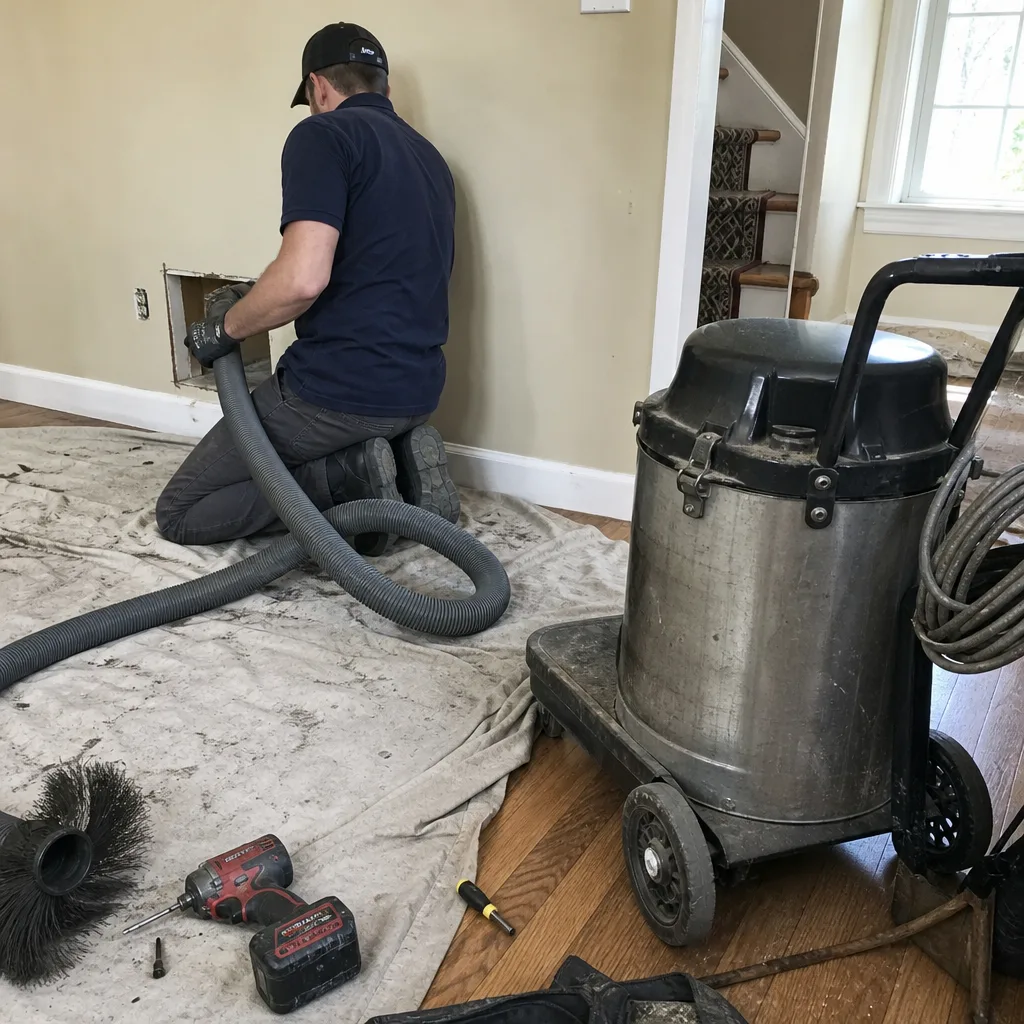 Before
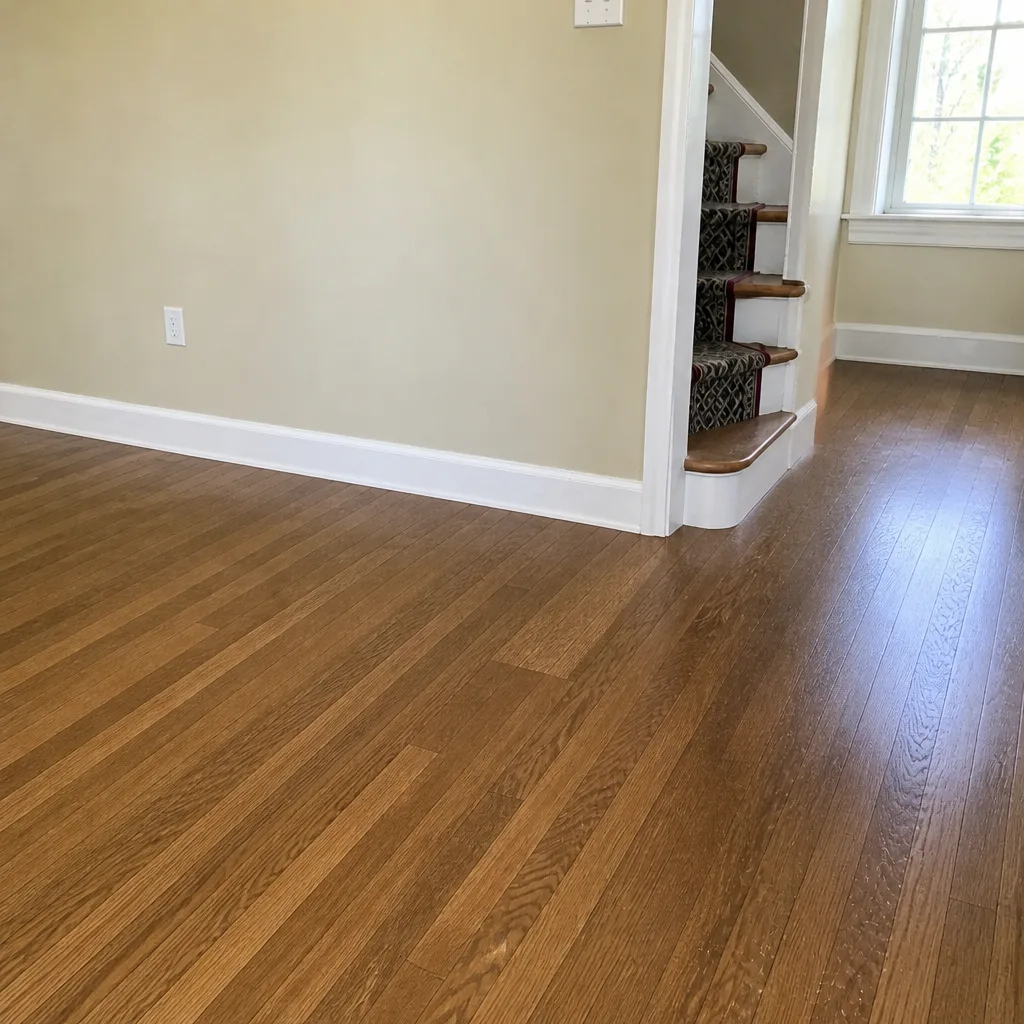 After
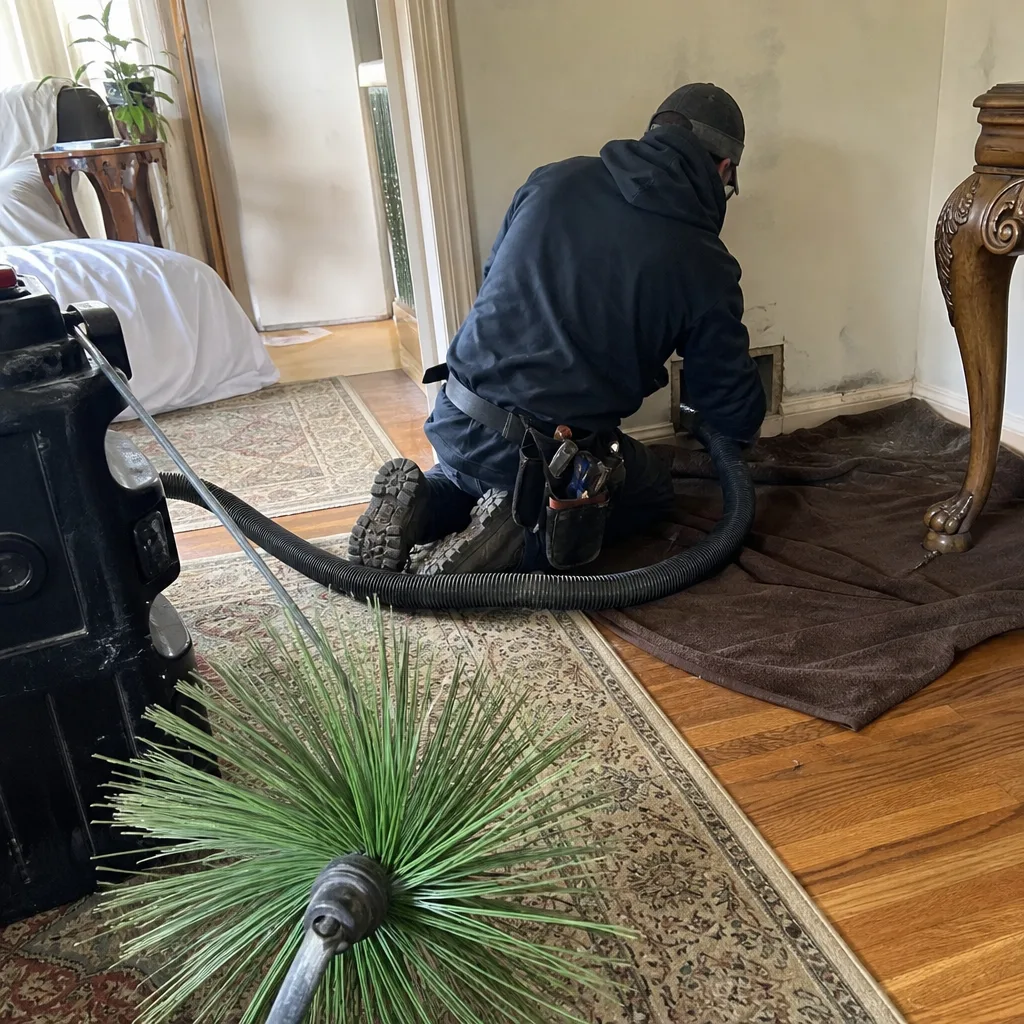 Before
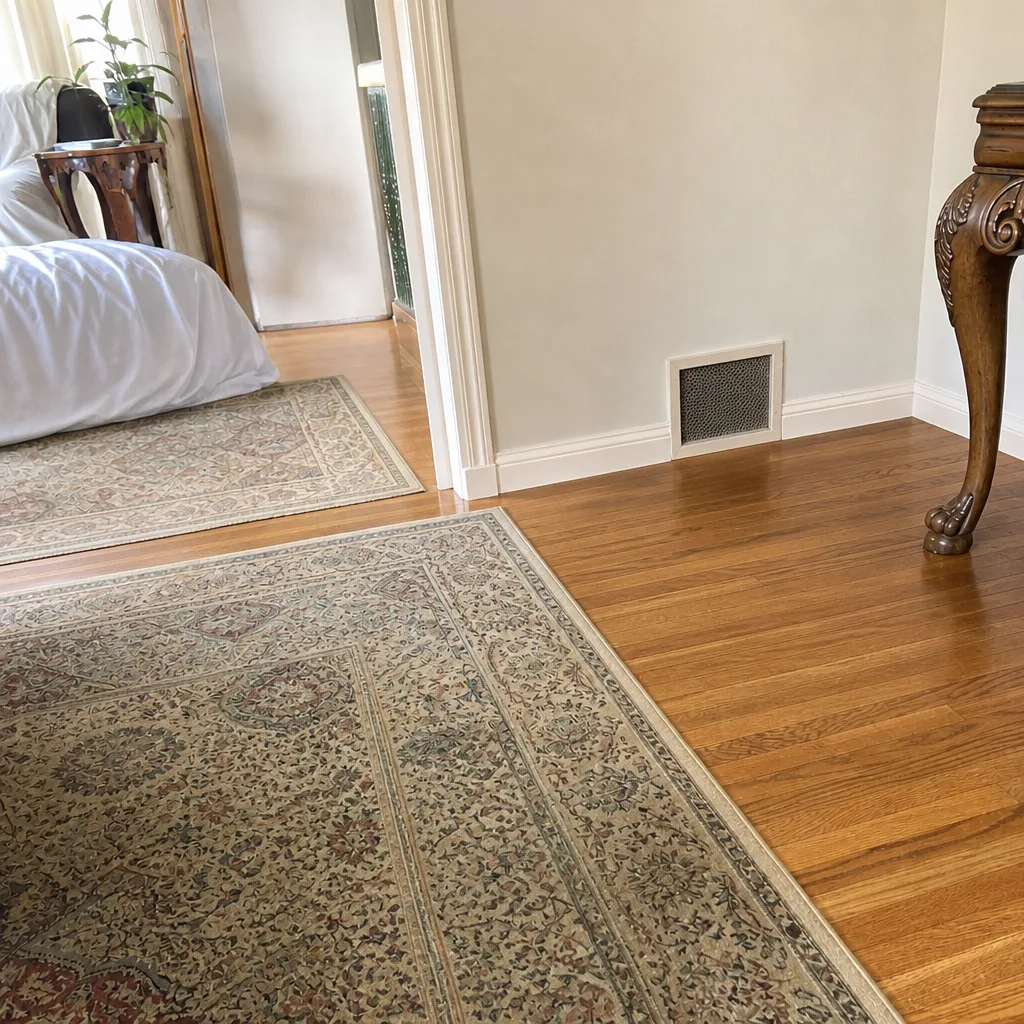 After
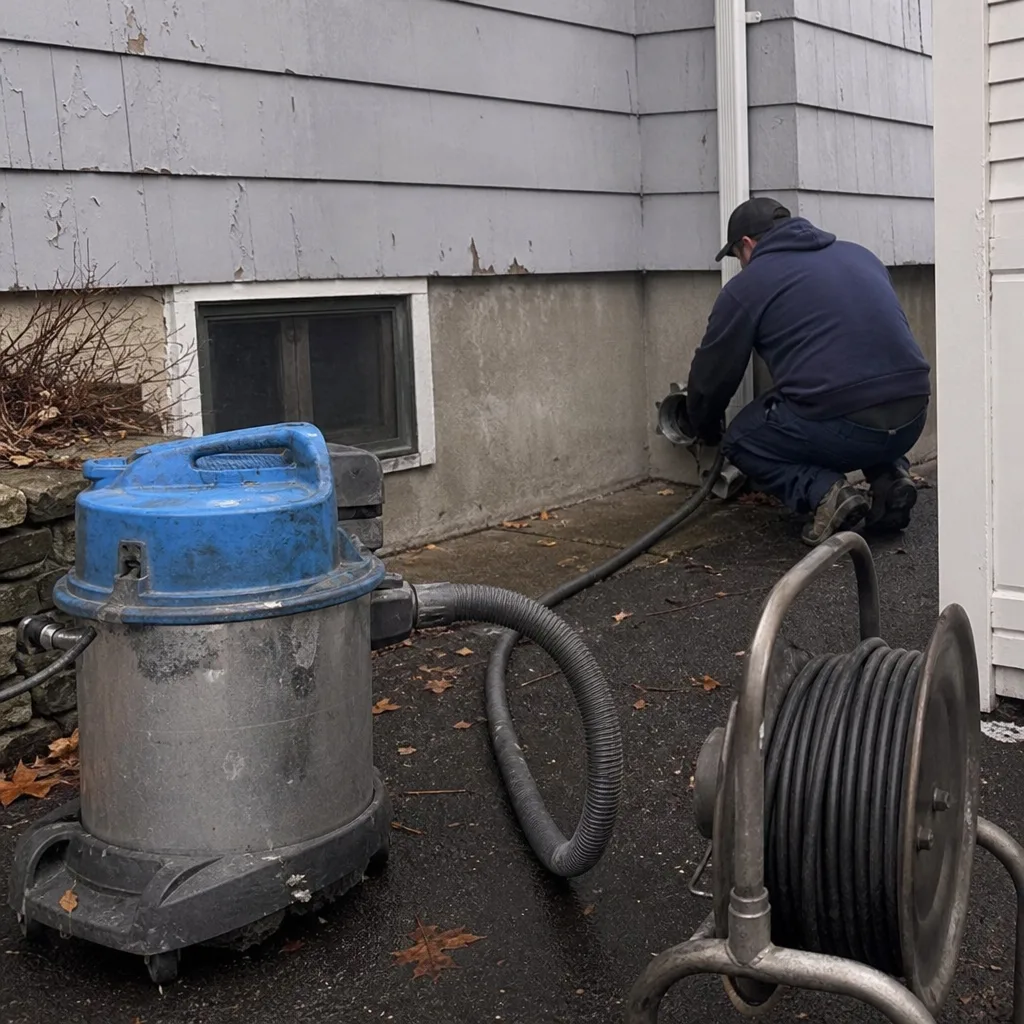 Before
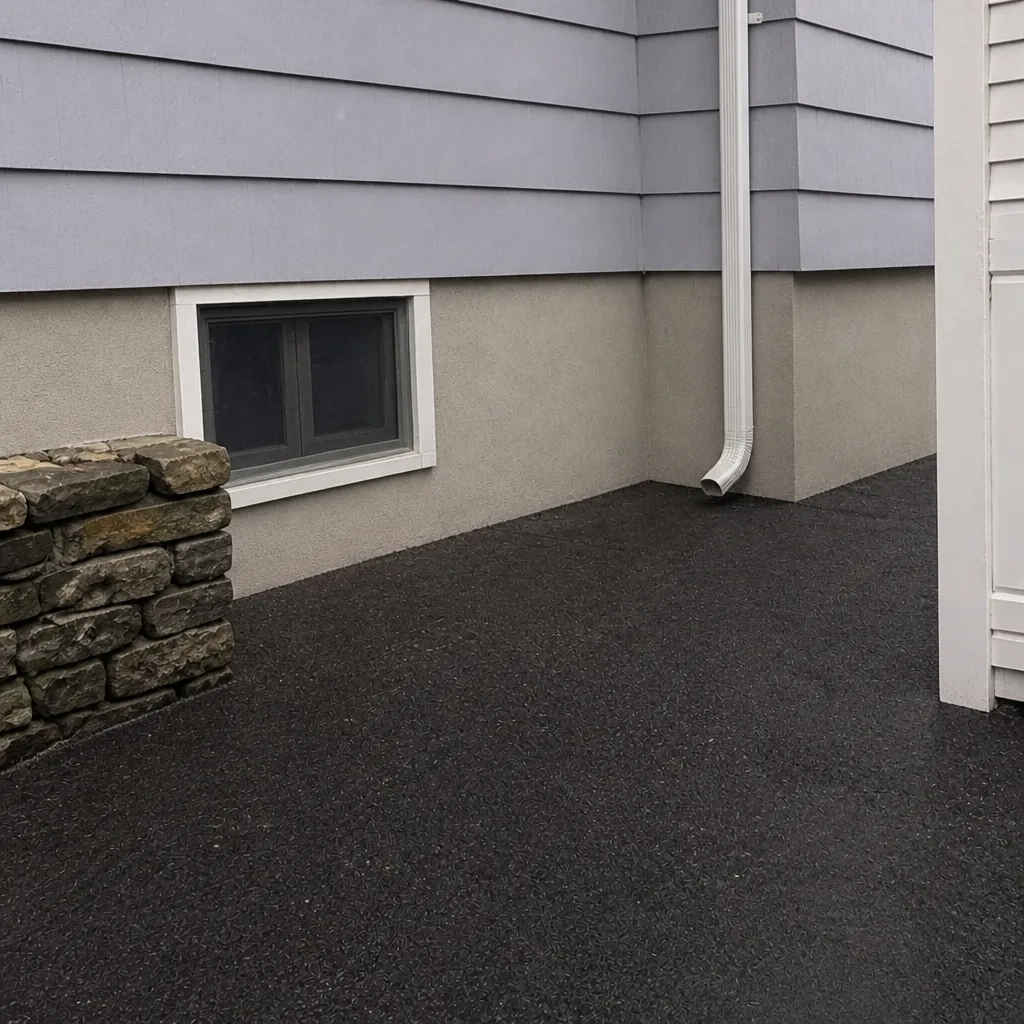 After
When to Call a Professional
If you’ve noticed reduced airflow, musty smells, dust settling quickly after cleaning, a recent renovation, pest evidence, or a new-home situation where the ductwork history is unknown, a professional inspection is the right call. The same is true if you’ve never had the system cleaned and aren’t sure what’s inside. Some of these situations require cleaning; some turn out to be an integrity issue that only inspection will reveal. Either way, a proper inspection answers the question.
Duct Cleaning Stamford offers free estimates in Stamford. Call (855) 268-4131. We answer 24/7. Fast dispatch from 7am to 7pm, Sunday through Friday.
Frequently Asked Questions
Costs vary by system size, condition, and scope, and the written estimate sets the final price. A whole-system cleaning includes the negative-pressure equipment, HEPA filtration, agitation of every branch, integrity inspection, and before-and-after photos. We don’t quote per-vent pricing, because that model tends to undersell the initial job and add charges once the technician is on site. Call (855) 268-4131 for an exact quote; estimates are free.
Cheap quotes are usually cheaper for a reason: the equipment is consumer-grade, negative pressure is missing, or the job is priced per register and then upsold. A properly equipped cleaning uses a truck-mounted or HEPA-filtered unit with real agitation tools. The question to ask is what system the company brings, not what the coupon says. Call (855) 268-4131 and we’ll walk you through what’s involved in a full-system clean.
You’ll know because the job report includes before-and-after photos of your own ducts, taken inside the ductwork, plus any static pressure readings and integrity findings. If the company can’t provide those, the work isn’t proven. We walk every customer through their report at the end of the visit. Call (855) 268-4131 with any questions before booking.
There’s no universal interval. It depends on your home, pets, recent renovations, and whether anyone in the household has allergies. The honest answer is that cleaning should be driven by the situation, not a fixed schedule. A free estimate and inspection will tell you where your system stands. Call (855) 268-4131.
Cleaning can help by removing accumulated debris that would otherwise get recirculated, but the biggest gains usually come from combining cleaning with a filtration upgrade. We supply and install Honeywell and Aprilaire air-quality products that address both filtration and humidity control. If allergies are the concern, ask about the full air-quality picture. Call (855) 268-4131 for details.
Cleaning removes debris from inside the ductwork. Repair fixes the physical problems found during the inspection: disconnected joints, crushed flex, torn sections, and loose boots. Most companies only clean, then hand you a referral for anything they find. We do both. If a duct run is damaged, we can fix it during the same visit. Call (855) 268-4131 to schedule.
The Bottom Line
Duct cleaning in Stamford works best when it’s treated as a system-level inspection rather than a one-time checkbox. The equipment matters: negative-pressure, HEPA-filtered, contractor-grade systems are the whole job. Older homes need the integrity check alongside the cleaning. Source removal is the standard; blow-and-go redistributes debris. And a proper job comes with before-and-after photos so you can see the work was real. Whether you need dryer vent cleaning alongside your ducts, a full air duct repair from findings you didn’t know existed, or a fresh start after a renovation, the process is the same: full-system scope, honest documentation, no surprises. If you’re ready to see what your ductwork actually looks like inside, we’re happy to show you.
Call (855) 268-4131 for a free estimate. We answer 24/7. Fast dispatch from 7am to 7pm, Sunday through Friday. Closed Saturday.
Written by the team at Duct Cleaning Stamford.