
Last updated November 14, 2026
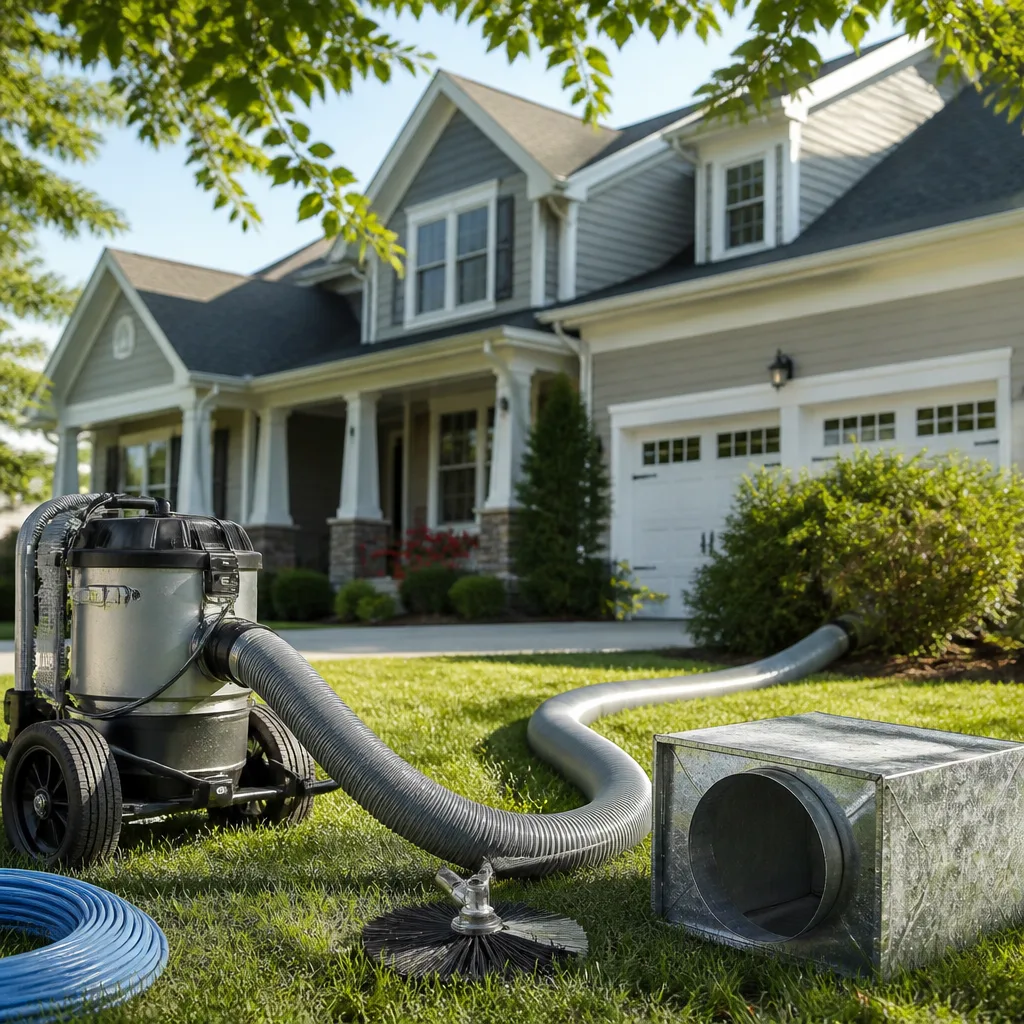 Whole-home duct cleaning
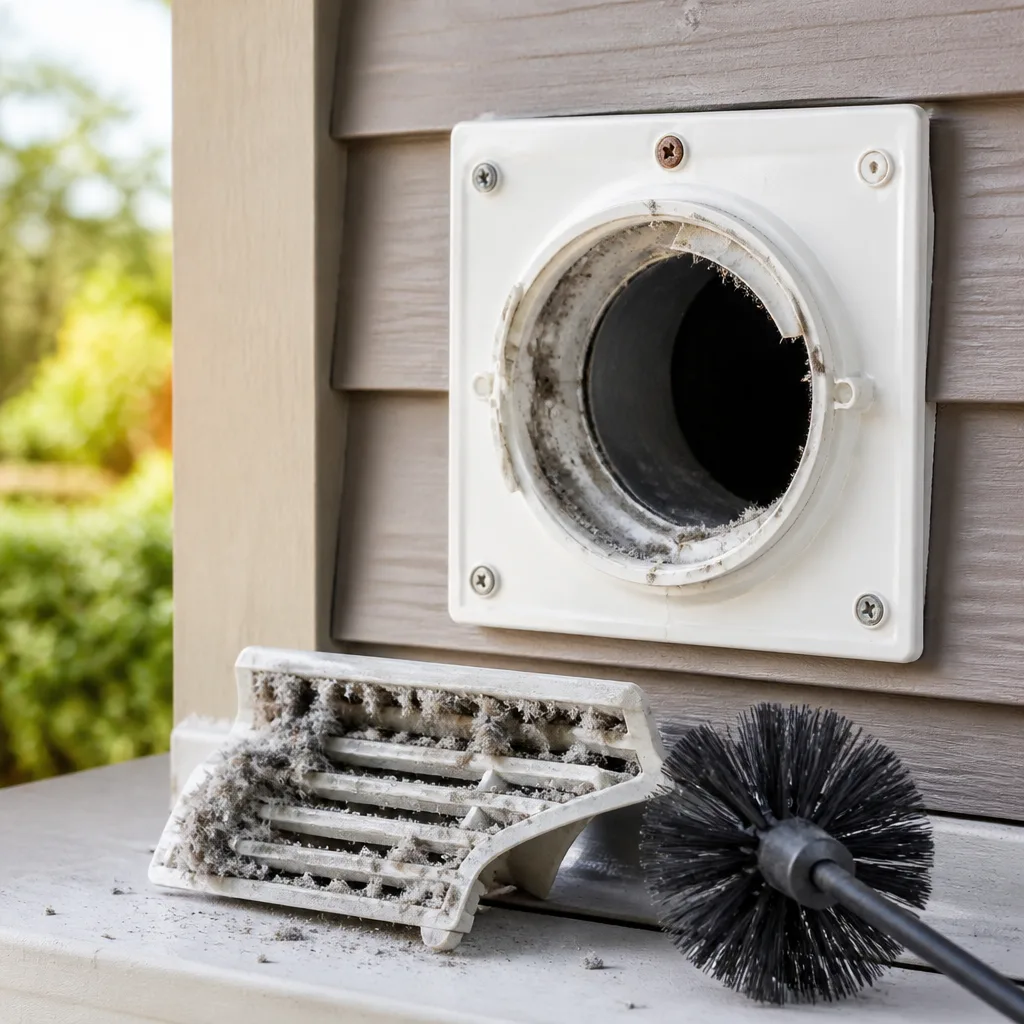 Dryer vent cleaning
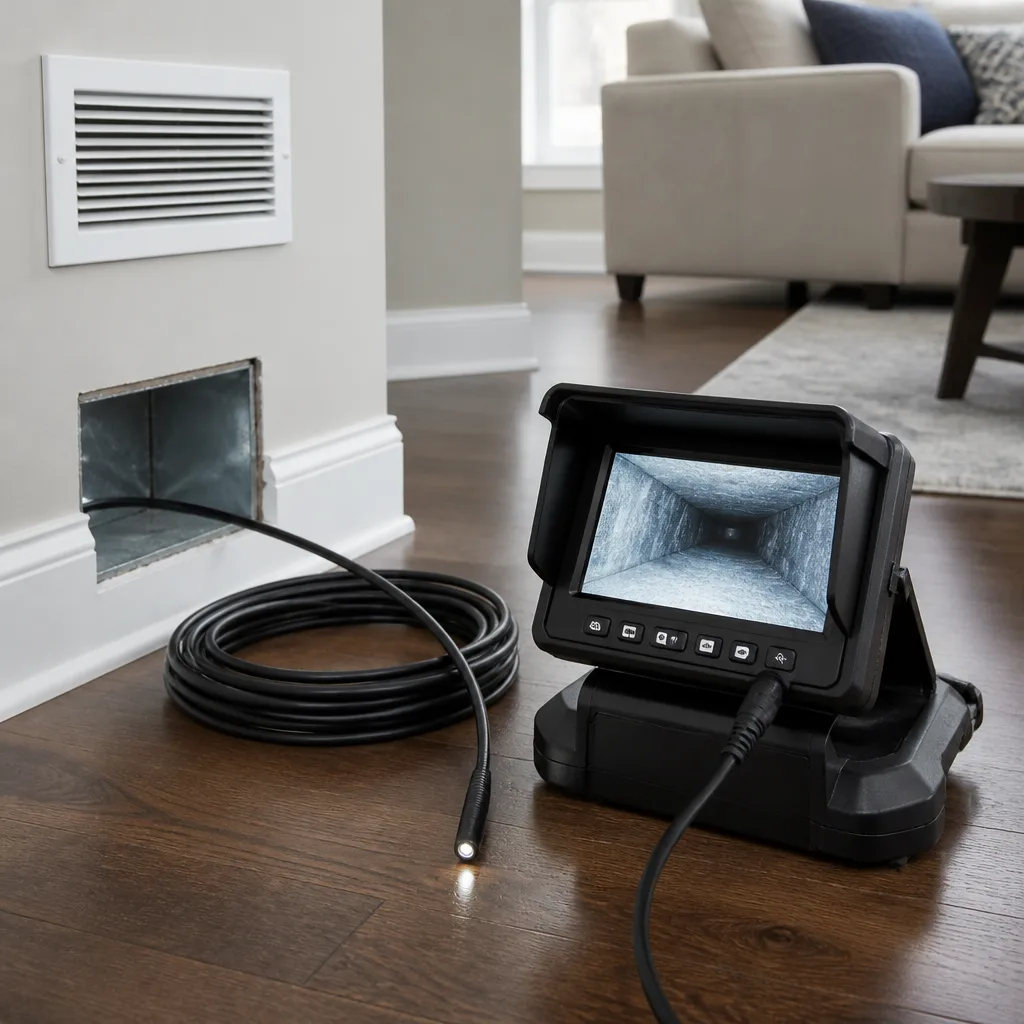 Camera inspection
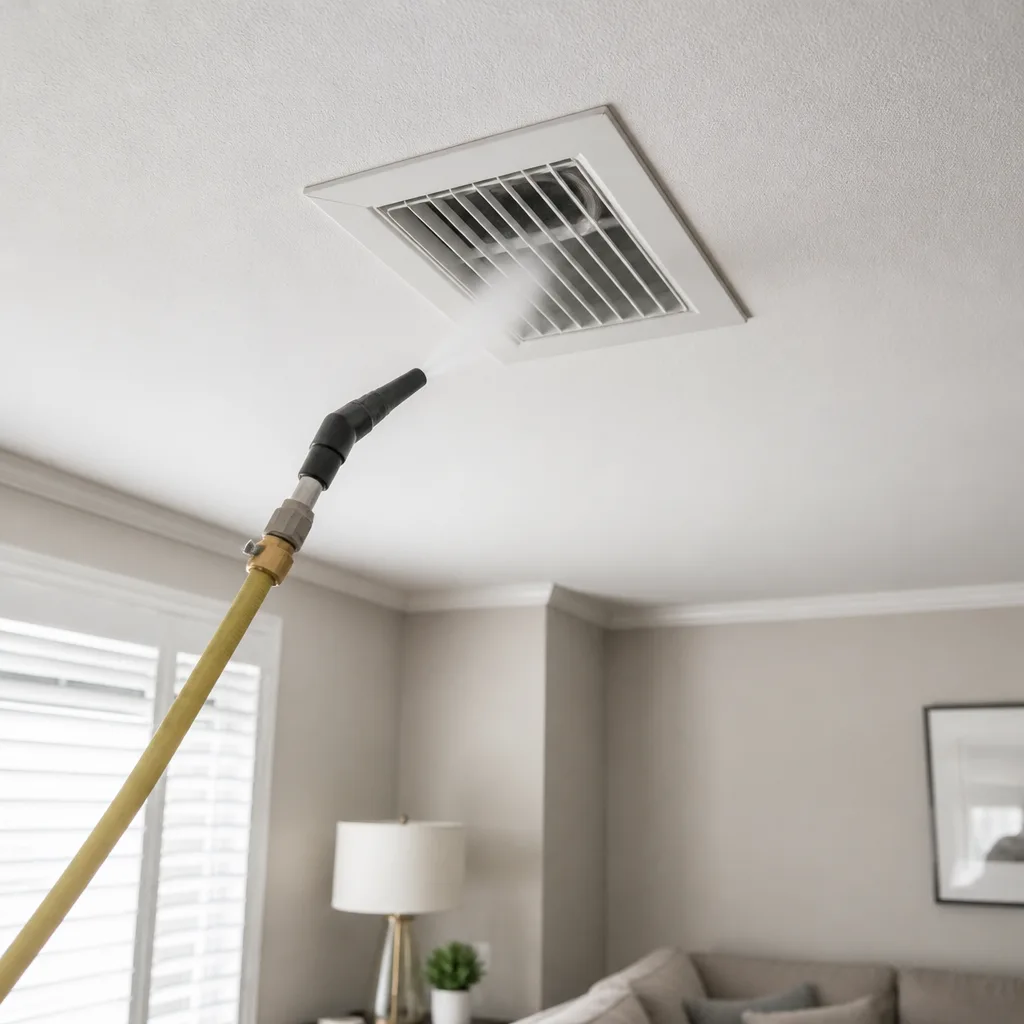 Sanitizing & deodorizing
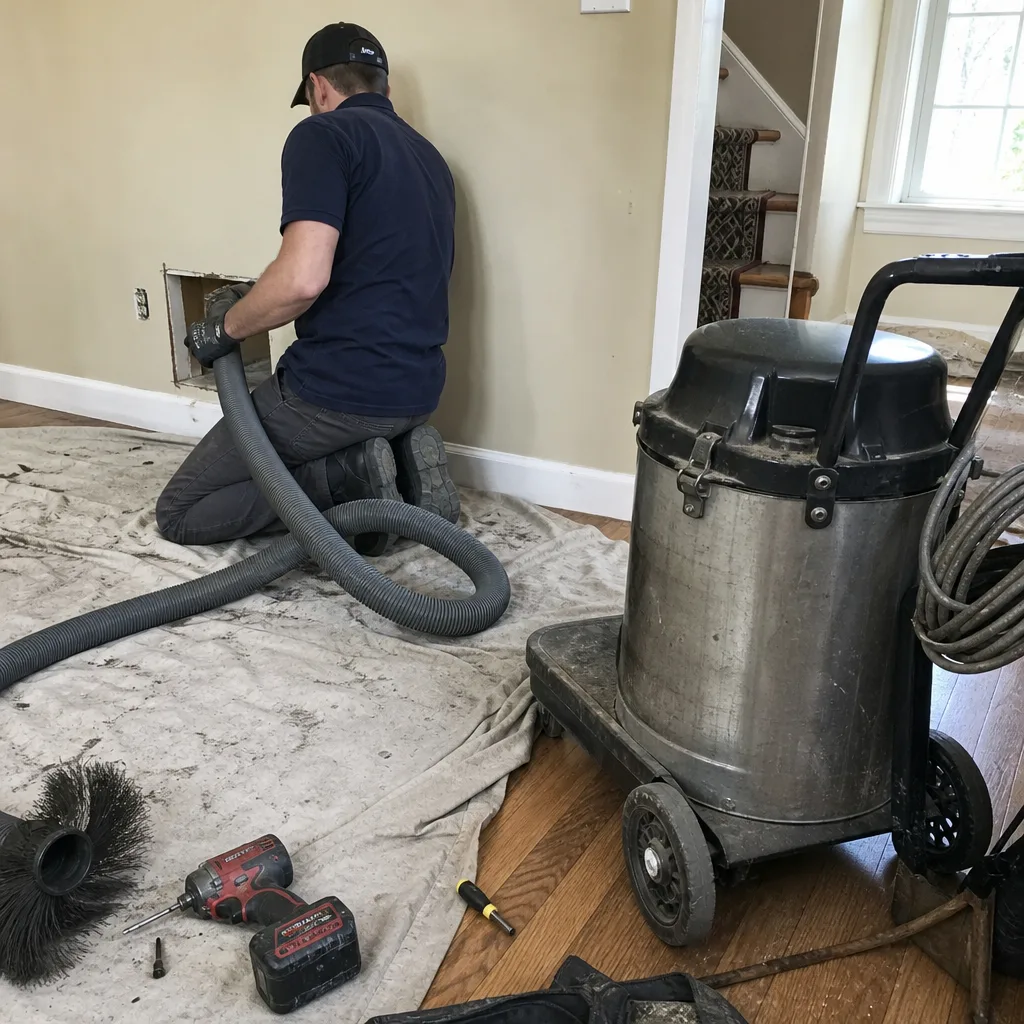
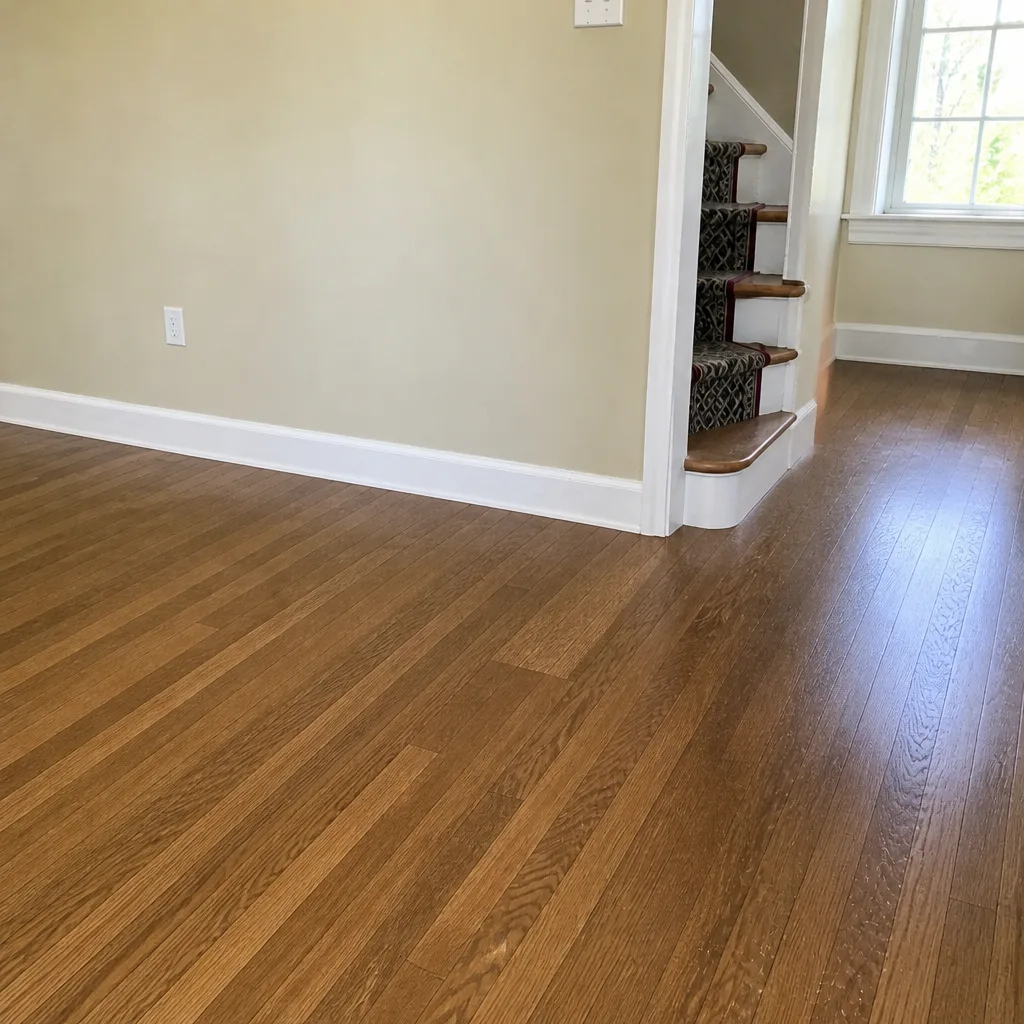
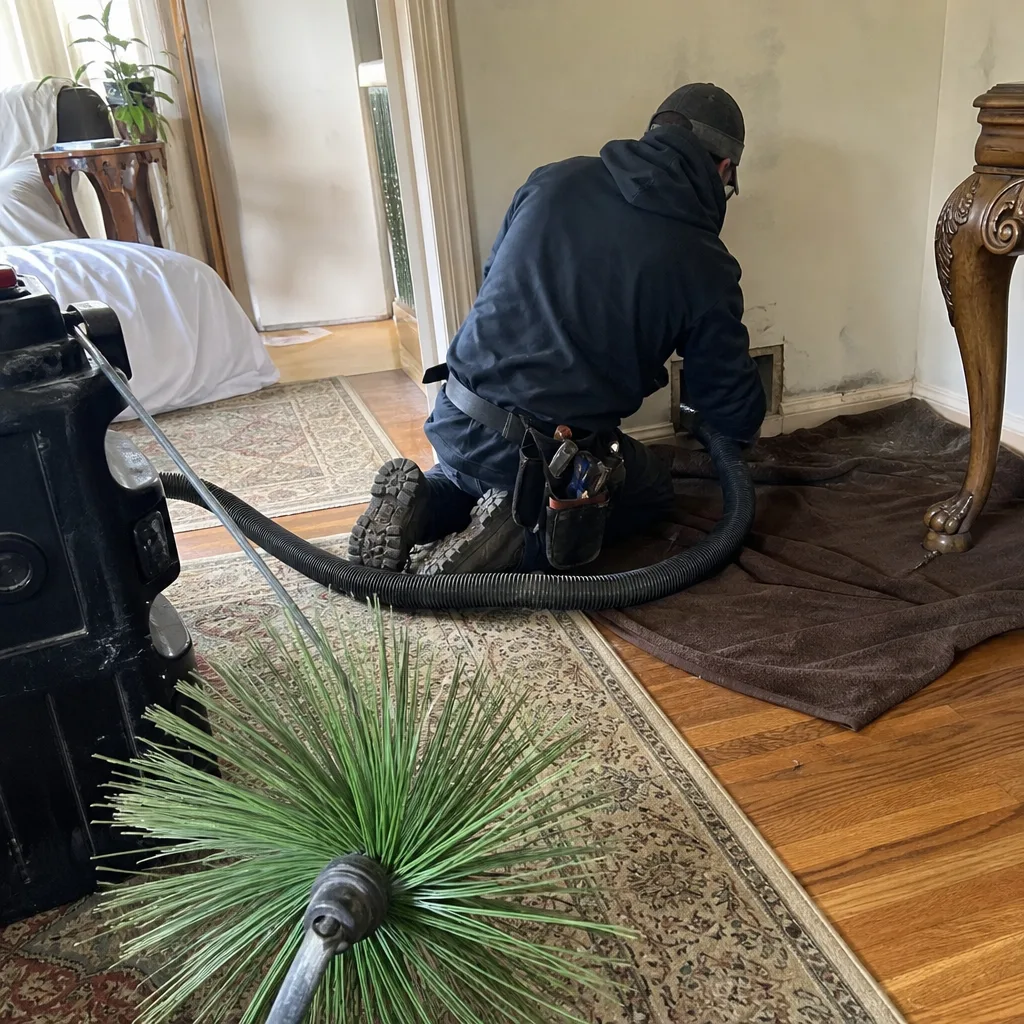
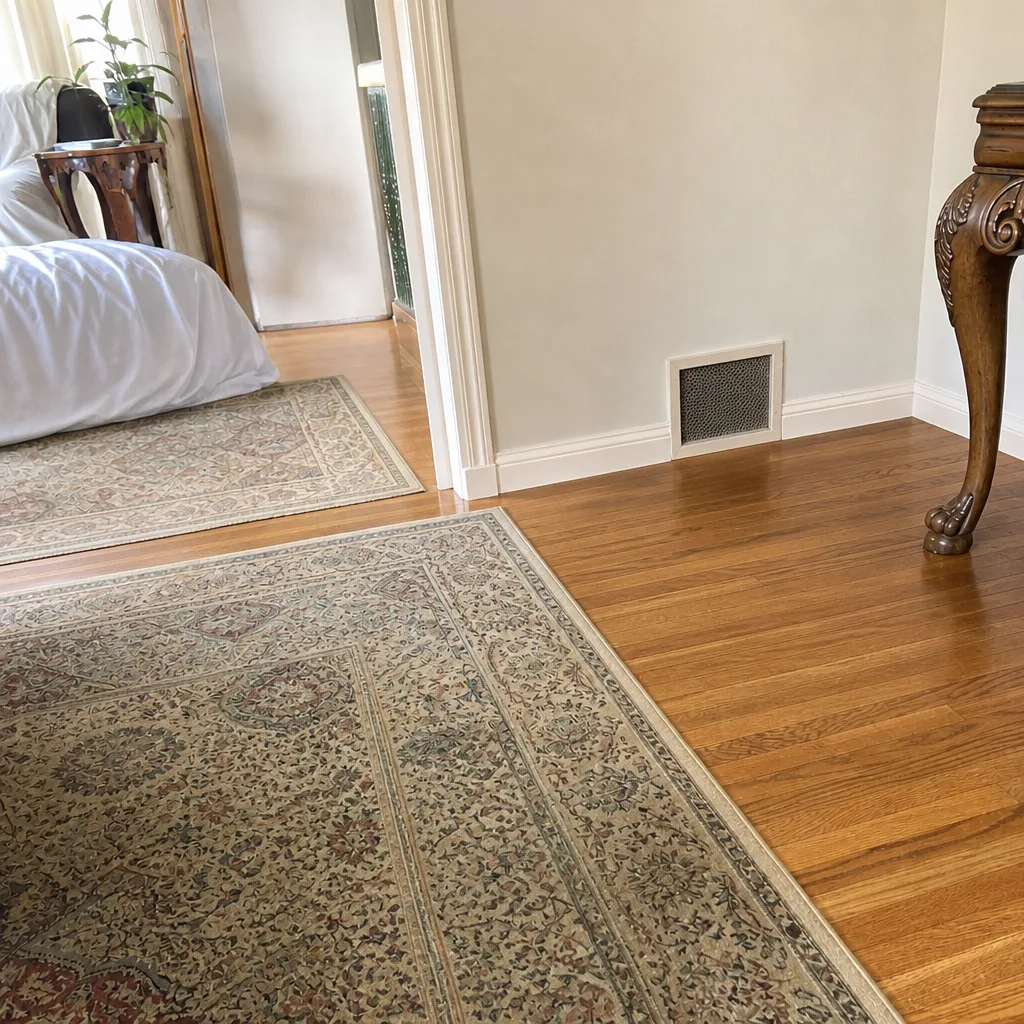
Whole-system duct and dryer vent check with before-and-after photos - you see exactly what came out of your vents
That "$99 whole-house special" is a bait ad - the real number appears once they are in your hallway, or the "clean" is a shop-vac at the register. We photograph the inside of your ducts before and after instead.
DIY vs Professional Air Duct Cleaning: The Stamford Homeowner’s Decision Guide
Most articles about duct cleaning treat DIY versus professional as a question of effort. It isn’t. The real question is whether your system has problems that surface cleaning can’t reach or diagnose. A homeowner with a clean, well-sealed system and a dirty return grille can do legitimate work with a brush and a shop vac. A homeowner with a disconnected plenum, crushed flex duct, or degraded fiberglass liner will spend a weekend pushing debris deeper into the system and delay a diagnosis that gets more expensive the longer it waits. This guide breaks down exactly what you can handle yourself, what demands contractor-grade equipment, and how Stamford’s older housing stock changes the risk calculation.
Quick Answer
DIY is genuinely useful for filter changes, register grille cleaning, dryer vent brushing, and visual inspection of exposed flex duct. Full-system cleaning and anything involving negative pressure, coil cleaning, camera inspection, or sealing requires professional equipment and training. If your system has damage beyond surface debris, DIY cleaning doesn’t just underperform – it postpones the diagnosis that matters. For most Stamford homes, a hybrid approach works best: homeowner maintenance in between, professional service every three to four years.
Styles & brands we work with
- Whole-home duct cleaning
- Dryer vent cleaning
- Camera inspection
- Sanitizing & deodorizing
Table of Contents
- What homeowners can legitimately do themselves
- What requires professional equipment and training
- The diagnostic gap: why DIY cleaning can’t tell you what’s wrong
- Stamford-specific risks: older ductwork and containment
- How to structure a hybrid maintenance approach
- Tools and equipment: what the pros actually use and why
- When cleaning turns into repair
- When to call a professional
What Homeowners Can Legitimately Do Themselves
There’s a real category of duct-related work that doesn’t require a truck, a negative-air machine, or a certification. We’ve seen homeowners do these tasks correctly and save themselves the cost of a service call. The key is knowing where the line is.
Here’s what belongs on the DIY side:
- Register grille cleaning. The supply and return grilles are the easiest access point in the system and the most visible source of dust buildup. Remove the grille, vacuum both faces with a brush attachment, wash with mild soap and water if it’s a metal grille, and dry completely before reinstalling. A soft-bristle vacuum brush is the right tool here – stiff bristles can bend the fins.
- Air filter replacement. This is the single highest-value maintenance task and it’s fully DIY. Check the filter at the air handler every 30 to 90 days depending on occupancy, pets, and whether you’ve recently renovated. Use the MERV rating the equipment manufacturer specifies – going too high can restrict airflow on older systems. Write the install date on the filter edge with a marker.
- Dryer vent brushing. A basic dryer vent cleaning kit – the flexible brush on a rod that runs through the vent run from the dryer connection to the exterior hood – is a legitimate DIY tool. Disconnect the dryer, brush the run, vacuum out the lint from the exterior hood, and reattach. Do this at least once a year, and check the exterior flap opens freely when the dryer runs. This is the leading cause of dryer fires, and it’s a safety task, not a chore to put off.
- Visible flex duct inspection. If your return trunks or some supply runs are accessible – in an attic, crawlspace, or unfinished basement – you can walk a flashlight along them and look for obvious tears, disconnections, kinks, or collapsed sections. Take photos. You’re not fixing anything at this stage, just documenting.
- Exterior vent hood clearing. Make sure the return and supply hoods on the exterior wall aren’t blocked by debris, nests, or overgrown vegetation.
These five tasks, done on a sensible schedule, will meaningfully reduce dust load in the system. They won’t clean the inside of the trunk lines, and they won’t tell you anything about the condition of the ductwork you can’t see. For that, you need to read the next section.
What Requires Professional Equipment and Training
This is where the DIY conversation ends. The tasks below aren’t difficult because they’re complicated – they’re difficult because the equipment is expensive, the access requires training, and the process involves risks a homeowner shouldn’t take on.
Negative pressure source removal. Professional duct cleaning works on a principle called source removal: a high-powered vacuum unit is connected to the main trunk line, pulling the entire system into negative pressure while a technician agitates debris from every branch line. Rotobrush and Nikro systems are the standard tools for this – the same equipment HVAC contractors and restoration crews rely on. A shop vac and a rotating brush attachment doesn’t create negative pressure. It just loosens debris and lets it settle in places you can’t reach.
Air handler coil cleaning. The evaporator coil sits inside the air handler and is where a large share of the biological growth and accumulated dust lives. Cleaning it properly means accessing the plenum, using the right coil cleaner, and rinsing without flooding the drain pan. This is a job for someone who’s done it before.
Duct camera inspection. A camera push-rod – the same tool plumbers use for drain lines – lets a technician see inside the trunk lines and branch runs without cutting into the ductwork. DIY cleaning can’t do this. Without it, you’re cleaning blind.
Mastic sealing of leaking joints. Sealing duct joints with mastic (not duct tape – duct tape fails in the temperature swings of a Stamford attic) pays for itself in reduced energy loss and better system performance. Doing it right means knowing which joints to seal, using the correct mastic, and curing it properly. A technician who’s sealed dozens of systems will find and close the leaks that matter.
HEPA-level negative-air containment. If the work involves mold, heavy debris, post-renovation contamination, or anything that could liberate significant particulate into living space, containment isn’t optional. Abatement Technologies equipment provides HEPA-level negative-air filtration – the same class of equipment used in asbestos and mold abatement. Running a shop vac in a contaminated system without containment moves the problem from inside the ductwork to inside the room.
The Diagnostic Gap: Why DIY Cleaning Can’t Tell You What’s Wrong
This is the crux of the whole question, and it’s the point nearly every DIY-versus-professional guide skips. Cleaning without diagnosis assumes the only problem is dirt. In practice, a meaningful percentage of systems have mechanical problems that no amount of cleaning will solve.
Here are the three most common:
- Disconnected or separated runs. A flex duct can separate from its fitting at a plenum takeoff or a ceiling boot. When it does, that branch line vents into the attic or wall cavity instead of into the room. No vacuum, brush, or homeowner effort can fix this from the grille side. It has to be reconnected and sealed – and if you don’t know it’s there, cleaning the system is a waste of money and time.
- Crushed or kinked flex duct. Flex duct installed too tight around a corner, or crushed by a cabinet or insulation batt laid over it, chokes off airflow to that room. That’s why the bedroom at the end of the run is always the coldest in summer. Again, cleaning won’t help – the duct needs to be rerouted or replaced.
- Interior liner degradation. Older fiberglass-lined ductwork can break down over time. The liner delaminates and sends fiberglass particles into the airstream. This is a health concern and an air-quality problem, and the fix is repair or replacement of the affected sections, not cleaning.
What makes this gap worse is timing. A disconnected run that’s been venting into an attic for years has been pulling attic air (and whatever else is up there) into the system the whole time. A crushed line has been stressing the blower. A degrading liner has been distributing particles throughout the home. Every month of deferred diagnosis adds to the eventual repair bill. Cleaning on a system with an undiagnosed problem is not just underperforming – it’s an expensive postponement.
This is exactly why we handle air duct repair alongside cleaning. When our technicians find a problem during a cleaning visit, they can fix it – not hand you a referral and walk away. For Stamford homeowners with older systems, that’s usually the difference between one service call and two or three.
Stamford-Specific Risks: Older Ductwork and Containment
Stamford has a housing stock that spans more than a century. That’s a nice thing to say in a real estate listing, but for ductwork it means you don’t always know what you’re dealing with until you get inside the system. We’ve seen this play out in neighborhoods across the city, from the older colonials in Glenbrook and Springdale to the mid-century ranches in North Stamford, and it changes the DIY calculus in specific ways.
Asbestos-wrapped ductwork. Homes built through the middle decades of the 20th century were sometimes built or retrofitted with asbestos-containing material on duct wrap or duct board. If the wrap is intact, it’s not an immediate hazard – but any cleaning activity that agitates it, brushes it, or disturbs it can release fibers. You cannot tell by looking whether the wrap contains asbestos. This is a situation where a professional inspection precedes any cleaning, and where DIY brushing of the duct wrap is a real risk.
Deteriorated fiberglass liner. Weathered insulation and degrading interior liner are common in ductwork that’s seen decades of Stamford’s humid summers and cold winters. Disturbing it without negative-air containment sends the material into the living space.
Tight, complicated duct runs. Older homes often have duct systems that were retrofitted into wall and floor cavities that weren’t originally designed for them. Short runs, tight bends, transitions that don’t follow modern standards. Cleaning these properly takes smaller heads, more careful agitation, and often camera inspection. A long homeowner brush on a drill isn’t going to navigate that geometry.
The safe pattern for Stamford homes: inspect first, contain if needed, then clean. Any reputable contractor who sees older duct wrap or suspect material will tell you to hold off on cleaning until a proper look has been taken. If they start brushing without a conversation about what’s on the system, that’s a warning sign.
How to Structure a Hybrid Maintenance Approach
The majority of Stamford homes don’t need a professional cleaning every year, and they aren’t well-served by an all-DIY approach either. The right model is a hybrid – homeowner tasks on a schedule, professional service at an interval that reflects the system.
Here’s a practical structure:
- Monthly: Check the air filter. Replace or clean it depending on type and condition. If you have pets, this stays monthly regardless of filter rating.
- Quarterly: Vacuum the supply and return grilles. Inspect any accessible flex duct runs for new damage or kinks. Write down anything that changed.
- Annually: Clean the dryer vent run. This one isn’t optional – it’s a fire-safety task and should be on the calendar regardless of anything else.
- Every three to four years: Schedule a full-system professional cleaning with a diagnostic component. After a major renovation, a move-in, or a mold or water event, this interval shortens – do it once within the first year rather than waiting for the normal cycle.
What makes a hybrid approach work is that the professional visit isn’t just cleaning – it’s an inspection and a diagnostic, and any damage found gets repaired on the same visit instead of referred out. That’s why we run Rotobrush and Nikro systems and offer duct repair as one of our three core services; the diagnostic value only exists if the person finding the problem can also fix it. Between visits, our technicians have up to 14 years of experience dealing with the kind of ductwork that turns up in Stamford, and that experience is exactly what lets them spot the crushed run or the failing liner that a homeowner walk-through would miss.
If you’ve got a musty smell, reduced airflow to a specific room, or you’ve just finished a renovation, that’s a reason to move the visit earlier than the standard interval. We talk more about those triggers below.
Tools and Equipment: What the Pros Actually Use and Why
The tool categories matter because the wrong equipment is often worse than no equipment. Here’s a plain comparison of what a homeowner can use and what a professional system requires.
What you can use:
- Shop vac with a soft-bristle brush attachment – fine for grilles, filter housings, and the exterior of the air handler.
- Dryer vent cleaning kit (flexible rod with brush) – for the dryer vent run, not for HVAC ductwork.
- Flashlight and phone camera – for visual inspection of exposed duct.
- MERV-rated replacement filters matching the OEM spec.
What professional service uses:
- Rotobrush and Nikro duct-cleaning systems – contact cleaning and negative-pressure source removal for the full run, from the duct opening to the main trunk line and back through the branches.
- Abatement Technologies HEPA negative-air equipment – containment on jobs where mold, heavy debris, or post-renovation contamination is a concern.
- Duct camera – inspection without cutting into the system.
- Mastic and tools for sealing leaking joints.
- Coil cleaner and access tools for air handler servicing.
What all of this comes down to is that the professional equipment exists to answer two questions the homeowner can’t: what’s actually inside the system, and how do we remove it without moving it into your living room. The customer who sees before-and-after photos of their own duct runs knows exactly what got cleaned and what didn’t – and that’s the standard a legitimate cleaning company should be setting. If the work happens without documentation of the before state, ask why.
Where professional contractors can also go beyond cleaning is on the air-quality side. We supply and install Honeywell and Aprilaire filtration and humidity-control products as part of a cleaning or repair job, and we use the Guardsman product line for cleaning and treatment. That means a dirty-duct service call can become a filtration upgrade in the same visit rather than requiring a second contractor – useful in Stamford homes where return-air filtration isn’t keeping up with the dust load.
When Cleaning Turns Into Repair
This is the section most duct cleaning companies don’t want to talk about because they can’t do the work. In our experience, a meaningful share of jobs that start as cleaning need some amount of repair before or during. Here’s how to think about it.
A professional cleaning should involve camera inspection or direct visual verification of the main runs. When damage is found, the options are:
- Reconnect and seal a separated run – relatively quick, and often the fix for a cold room or an airflow complaint.
- Replace a section of crushed or damaged flex duct – the right answer when a run has been pinched off, and the only durable fix.
- Seal joints and takeoffs with mastic – reduces leakage, improves delivered airflow, and helps the whole system run closer to what it was designed for.
- Replace degraded liner on affected runs – necessary when the liner is breaking down and distributing particles.
The reason the repair capability matters for a Stamford homeowner is practical: if your cleaning is done by a company that can only clean, every problem becomes a separate phone call. You end up coordinating a second contractor, and the cleaning you already paid for only fixes half the problem. Our approach is simpler: we clean it, and if we find damage, we fix it. That’s why repair sits alongside cleaning and dryer vent work in our service scope instead of being a referral.
When to Call a Professional
Some situations call for a professional visit rather than a homeowner task, and it’s better to recognize them than to spend a weekend doing the wrong work. Call a professional if:
- Any room in the house has consistently weak airflow, or you suspect a run is disconnected or crushed.
- You notice a musty or mildew smell when the system runs.
- You’ve just finished a renovation or moved into a Stamford home whose ductwork history you don’t know.
- Your home was built in an era where asbestos duct wrap is a possibility, and any cleaning work has been deferred or done by a prior owner.
- You’ve had water intrusion, a mold issue, or any event that likely introduced contamination into the system.
- You’ve never had the system inspected, and you don’t know the condition of the ductwork.
For a full-system cleaning, call air duct cleaning to schedule an estimate. For dryer vent work – whether you want a professional cleaning or a second opinion after doing it yourself – see dryer vent cleaning. Duct Cleaning Stamford offers free estimates in Stamford. Call (855) 268-4131. We answer 24/7. Fast dispatch from 7am to 7pm, Sunday through Friday, closed Saturday.
See the difference
 Before
 After
 Before
 After
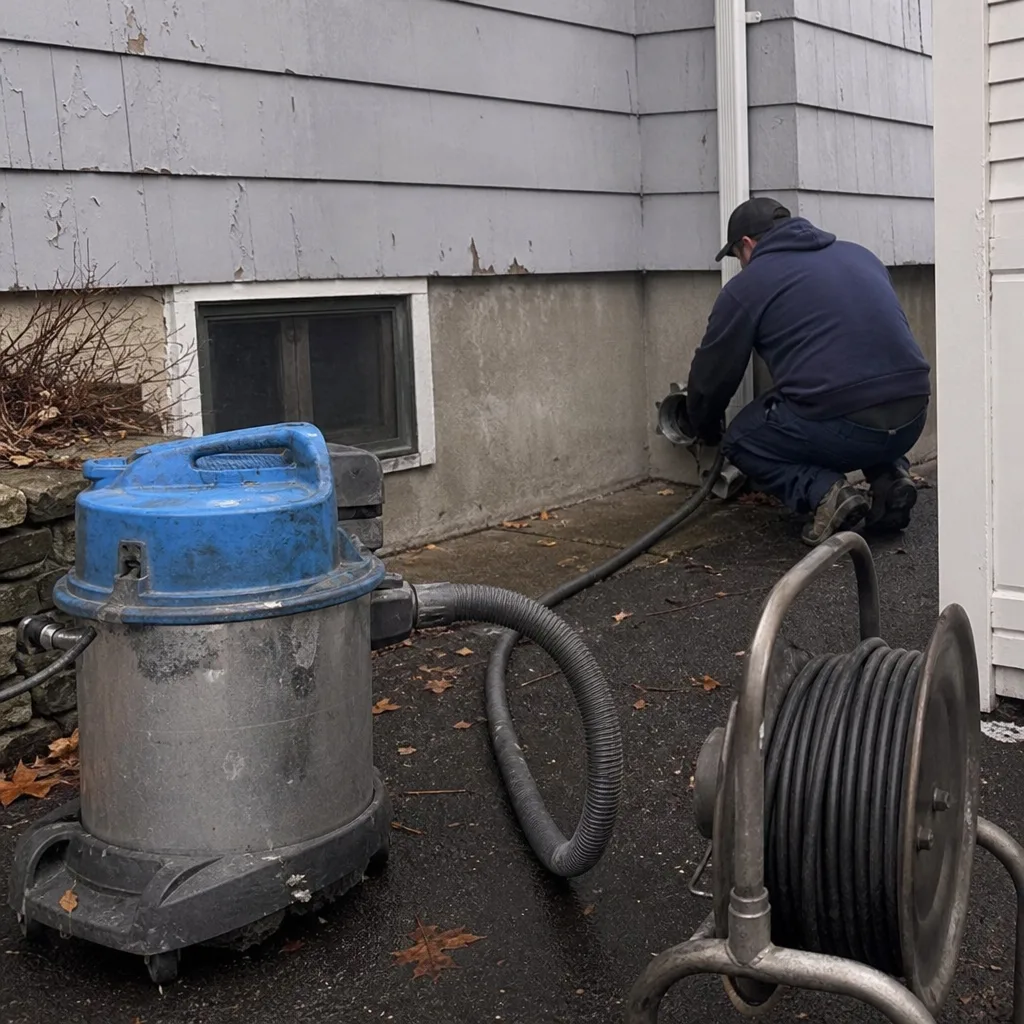 Before
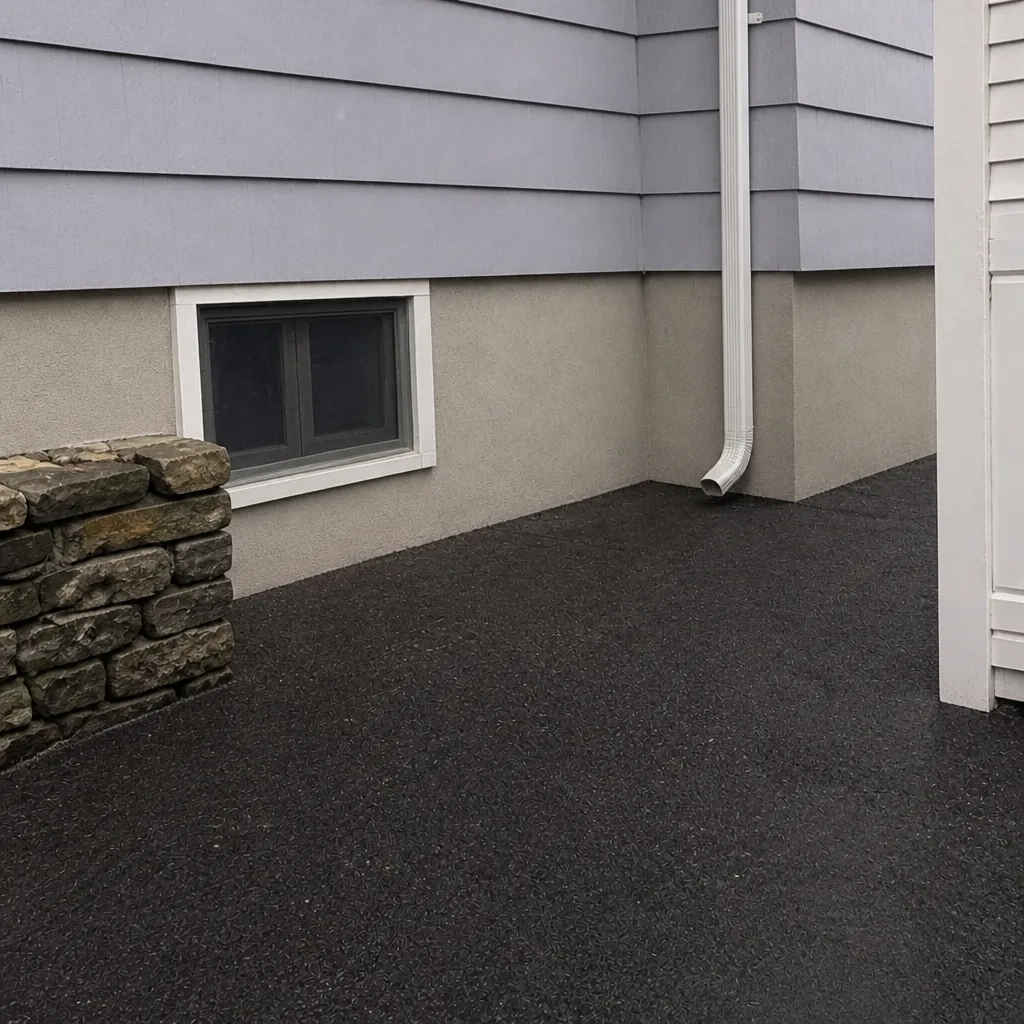 After
Common Mistakes to Avoid
- Using a drill-mounted brush on flex duct. Flex duct liner is delicate; a rotating drill brush can tear the interior and turn a cosmetic cleaning task into a repair job. Use hand brushes on flex, if anything.
- Running a shop vac without containment in a system with suspected contamination. This is the mistake that voids the reason for cleaning. If the system has mold, heavy debris, or post-renovation contamination, containment is non-negotiable – that’s why professional work uses HEPA negative-air equipment.
- Forgetting the dryer vent. It’s the single most important safety task in the whole duct picture, and it’s the one homeowners most often skip. If you do nothing else, brush that vent run annually.
- Buying a coupon-advertised “whole house cleaning” without asking what equipment they’ll use. Ask what the technician will be running on the truck. If the answer is a shop vac and a spinning brush, that’s not a source-removal clean. Rotobrush and Nikro are the industry standard, and legitimate companies will tell you exactly what they use.
- Cleaning without looking for damage first. Especially in older Stamford housing, cleaning a system with an undiagnosed crushed run or a failing liner wastes the money and postpones the real fix.
- Ignoring asbestos-wrapped ductwork. If you’re in an older Stamford home and don’t know what’s on the wrap, have it inspected before any cleaning activity. Do not brush or agitate it yourself.
- Sealing leaks with duct tape instead of mastic. Duct tape dries out and fails; mastic is the correct material and it’s a professional task if you’re sealing trunk line joints.
Frequently Asked Questions
Costs depend on the size and condition of the system, the number of runs, and whether repair work is needed. The honest way to price a full-system clean is by system, not per vent – which is why we set one flat price per system, agreed before work starts, and confirm it with a written estimate. That estimate is free. Call (855) 268-4131 for an exact quote. We answer 24/7. Fast dispatch from 7am to 7pm, Sunday through Friday.
Yes, for specific tasks: filter changes, register grille cleaning, dryer vent brushing, and visual inspection of exposed flex duct. What DIY can’t do is create negative pressure, clean the air handler coil, inspect the system with a camera, or seal leaking joints. In homes with older ductwork, DIY also carries risk from asbestos-wrapped duct material that shouldn’t be disturbed.
For most Stamford homes, every three to four years is a sensible interval, provided the homeowner is keeping up with filters and grilles in between. The interval shortens after a renovation, a move-in, or any water or mold event. Homes with pets or allergy-sensitive occupants sometimes benefit from a shorter cycle.
Because they’re often quoting a different service. A low coupon price usually buys a surface pass with a shop vac and a brush, not negative-pressure source removal with contractor-grade equipment. The classic bait-and-switch pattern is a low advertised price that turns into a much larger invoice once the technician is on site. Ask what equipment is being used, whether the price is per system or per vent, and whether before-and-after photos of your own ductwork will be provided. Those three questions will separate the real quotes from the teaser prices. Call (855) 268-4131 for a free estimate based on your actual system.
Ask for before-and-after photos of your own duct runs and access points. Any legitimate cleaning should produce documentation showing what the system looked like at the start and what it looked like at completion. If a company can’t produce that, they either didn’t take it or didn’t do the work in a way that shows. Camera inspection adds a second layer – it lets you see inside the trunk lines. Both should be standard, not extras.
If your home was built in the middle decades of the 20th century, it’s possible that duct wrap or duct board contains asbestos material. You can’t tell by looking. This is one situation where DIY brushing is genuinely a risk, and where an inspection should come first. A professional contractor will advise on proper containment or abatement if suspect material is found.
Cleaning removes accumulated debris from the interior of the system. Repair addresses structural problems: disconnected runs, crushed flex duct, degraded liner, leaking joints. Many jobs that start as cleaning need some amount of repair to actually solve the homeowner’s airflow or air-quality complaint. We do both, which means a problem found during cleaning gets fixed on the same visit rather than referred out. Learn more about our full service on Duct Cleaning Stamford.
The Bottom Line
DIY and professional duct cleaning aren’t competing answers to the same question – they cover different work. Homeowners can legitimately handle filters, grilles, dryer vent brushing, and visual inspection. Negative-pressure source removal, coil cleaning, camera inspection, and mastic sealing require professional equipment and training. The deciding variable is whether your system has problems beyond surface debris, and in older Stamford homes that’s often the case. The right approach is a hybrid: homeowner maintenance on a schedule, professional service every three to four years with a diagnostic component that can identify and repair damage in the same visit. If you’re unsure where your home fits, start with a free estimate and an inspection. Call (855) 268-4131. We answer 24/7. Fast dispatch from 7am to 7pm, Sunday through Friday, closed Saturday.
You can also browse all three services at once – cleaning, air duct cleaning, and dryer vent cleaning – plus duct repair, under one contractor. If you’re new to the area or want to know more about the housing stock here, our Stamford page covers the city we serve and the kinds of duct systems that turn up in different neighborhoods.
Duct Cleaning Stamford
Phone: (855) 268-4131
We answer 24/7. Fast dispatch from 7am to 7pm, Sunday through Friday, closed Saturday.
Free estimates. One flat price per system, agreed before work starts. Before-and-after photos of your own ductwork.
Written by the team at Duct Cleaning Stamford.