
Last updated November 14, 2026
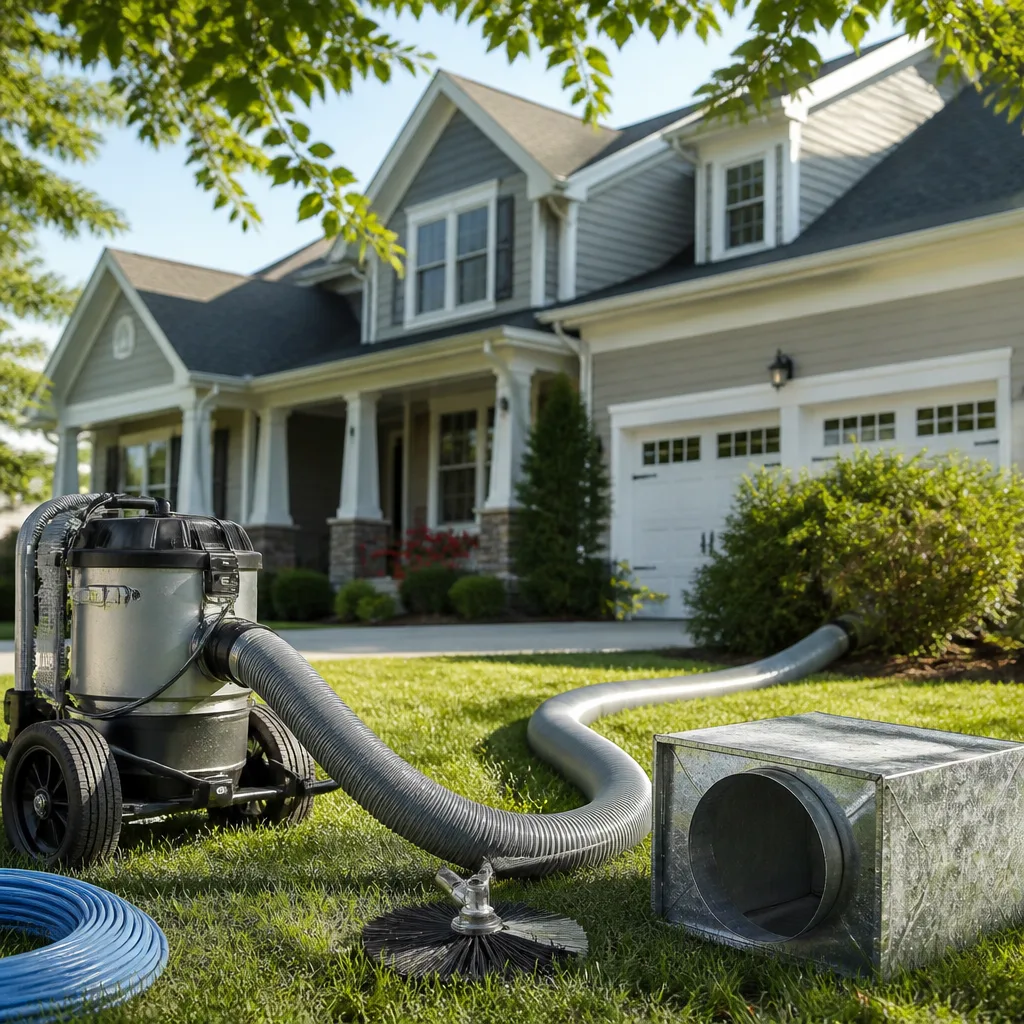 Whole-home duct cleaning
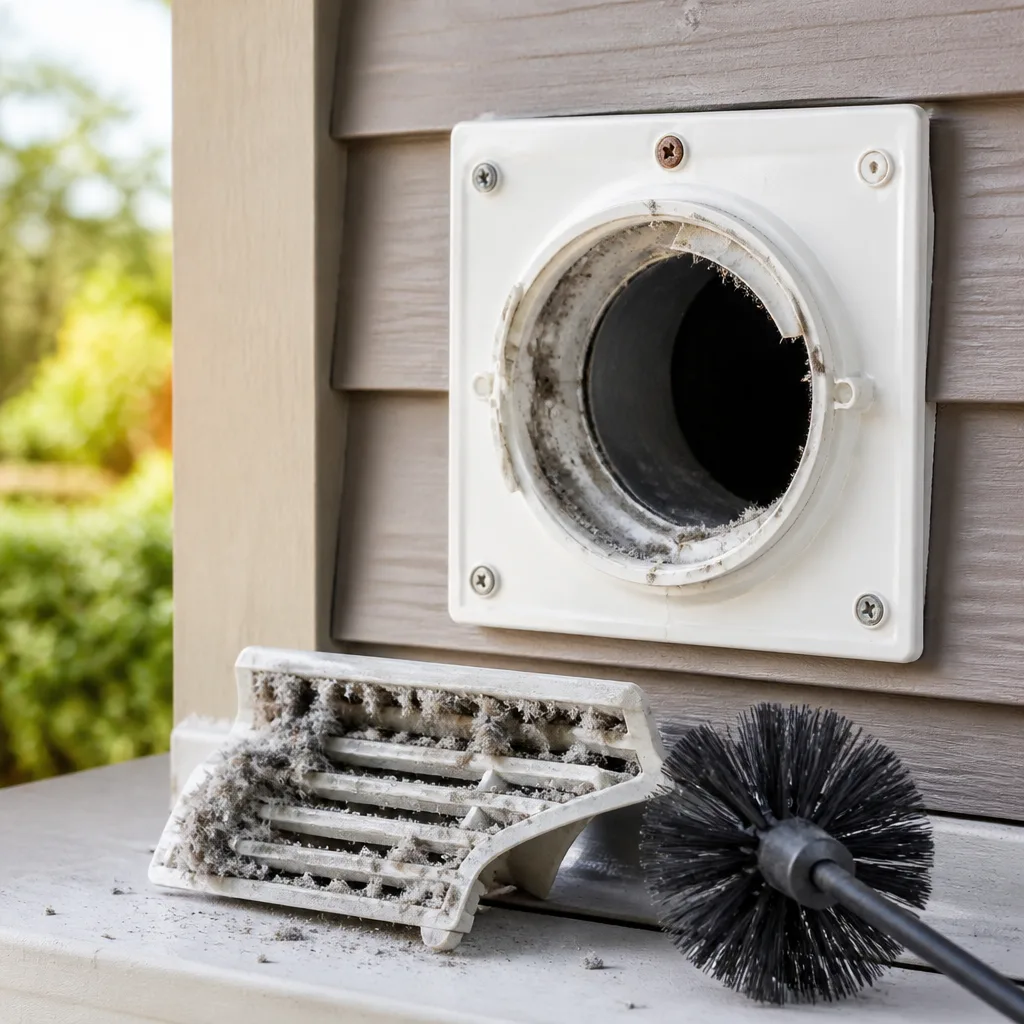 Dryer vent cleaning
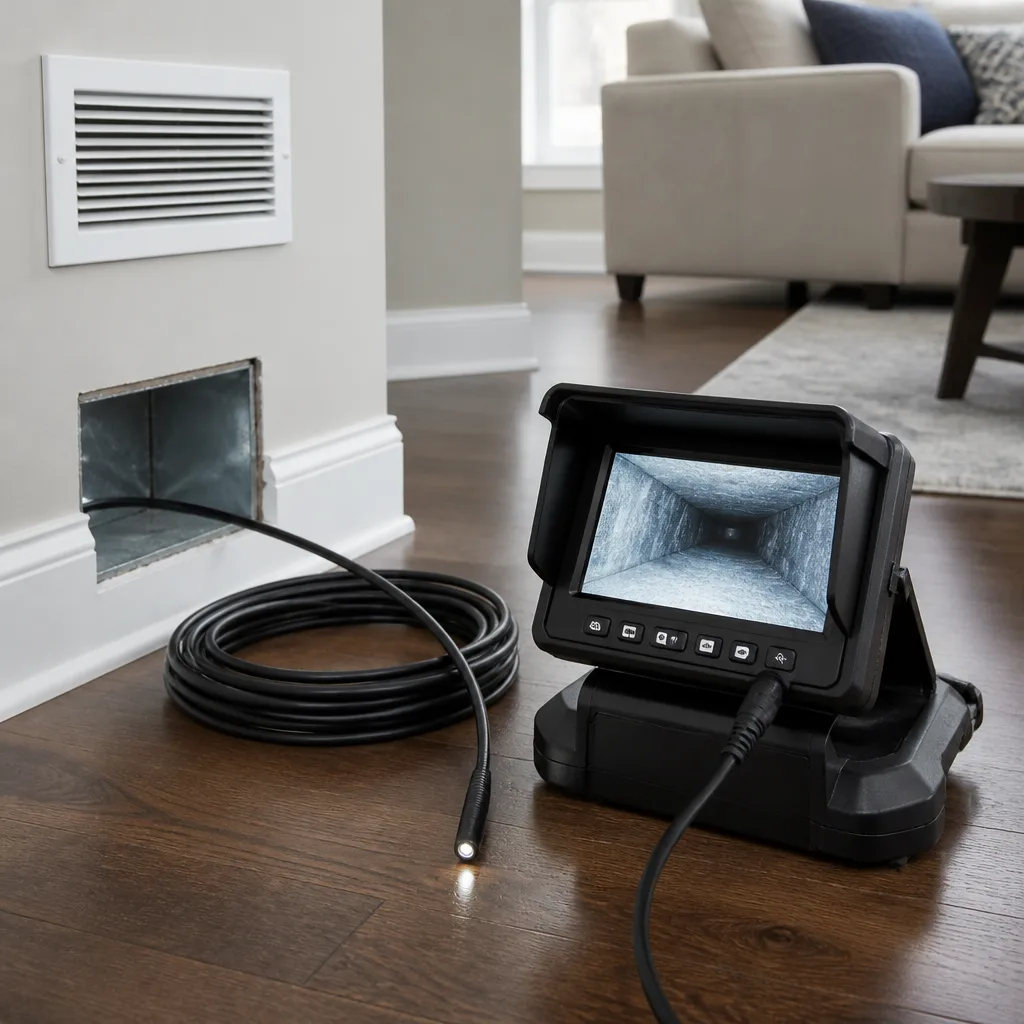 Camera inspection
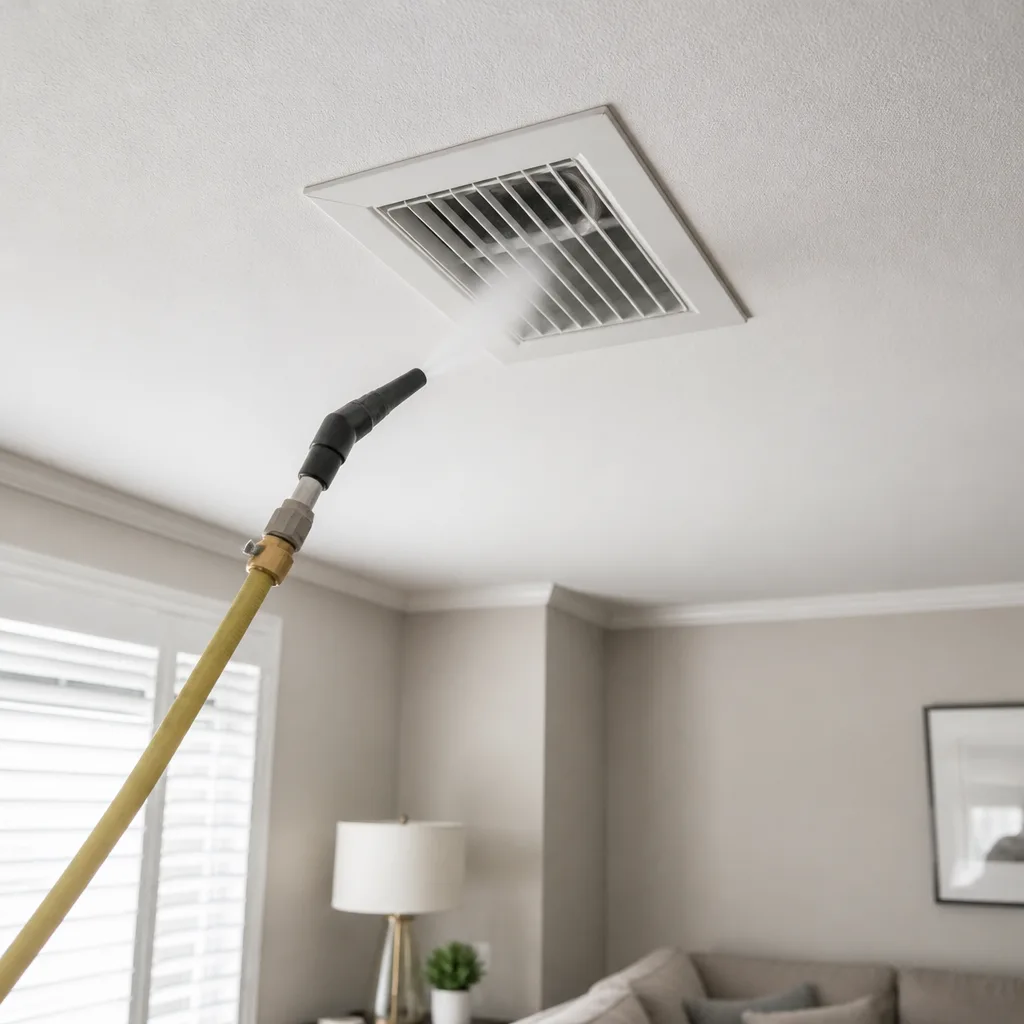 Sanitizing & deodorizing
Whole-system duct and dryer vent check with before-and-after photos - you see exactly what came out of your vents
That "$99 whole-house special" is a bait ad - the real number appears once they are in your hallway, or the "clean" is a shop-vac at the register. We photograph the inside of your ducts before and after instead.
How to Hire an Air Duct Cleaning Contractor in Stamford: A Step-by-Step Guide
The $99 duct cleaning special that shows up in your Stamford inbox every spring is not a deal. It’s a door opener for a sales pitch that all too often ends north of what you expected to pay, with mold spray, sanitizer, and “sealant” added line by line while a technician stands in your basement holding a clipboard. The companies worth hiring are quiet by comparison. They name their equipment. They hand you a written scope before anyone touches a register. They can tell you what’s actually wrong with your ductwork, not just vacuum it and leave. Here’s what to ask, in order, so you can separate a real full-system operator from a lead-gen crew in about fifteen minutes.
Quick Answer
Hiring an air duct cleaning contractor in Stamford comes down to five questions: what equipment will you bring, can you show proof of training, do you repair ductwork or only clean it, will I get a written scope before work starts, and what does your post-job report include. A contractor who answers all five clearly, in writing, is worth the call. One who dodges any of them is not. If you want the direct route, Duct Cleaning Stamford is happy to walk you through those answers over the phone.
Styles & brands we work with
- Whole-home duct cleaning
- Dryer vent cleaning
- Camera inspection
- Sanitizing & deodorizing
Table of Contents
- The Five Questions That Separate Real Operators from Lead-Gen Crews
- What Equipment Should Show Up at Your Door?
- What a Legitimate Scope of Work Document Looks Like
- How to Verify CT Contractor Licensing (and What It Doesn’t Cover)
- Clean-and-Leave vs. Clean-and-Fix: The Difference That Matters
- How to Read a Post-Job Report
- When Scoping, Scheduling, and Due Diligence Should Happen
- Common Mistakes to Avoid
- When to Call a Professional
- Frequently Asked Questions
- The Bottom Line
The Five Questions That Separate Real Operators from Lead-Gen Crews
You don’t need a background in HVAC to vet a duct cleaning contractor. You need five questions, asked in the same order every time. The answers tell you almost everything.
- “What equipment will you bring?” A real operator names the system. Rotobrush, Nikro, Abatement Technologies. If the answer is “professional equipment” with no brand, ask again. Vague language usually means a shop vacuum and a brush from a hardware store.
- “Can you show me proof of training?” NADCA (the National Air Duct Cleaners Association) sets the standard many crews train to. Ask for a certificate or a training record. A crew that has never heard of NADCA is worth a second thought.
- “Do you repair ductwork or just clean it?” Cleaning without repair capability means a disconnected flex run or a crushed trunk line gets vacuumed and left broken. A company that repairs closes the loop.
- “Will you give me a written scope before work starts?” Everything, in writing, with price agreed up front. No verbal quotes that shift once the truck is in your driveway.
- “What does your post-job report include?” Before-and-after photos, findings, and a description of anything we couldn’t fix. Not just an invoice.
We’ve watched the answer pattern repeat enough times to trust it. Crews that answer all five cleanly tend to run a tidy operation. Crews that swerve on two or more are selling something else. If you want to test the five questions on us, call (855) 268-4131. We answer 24/7.
What Equipment Should Show Up at Your Door?
Professional duct cleaning runs on negative pressure. That means a high-volume vacuum with a HEPA filter pulls the whole system into negative pressure while a rotary brush agitates debris loose from the duct walls. Consumer-grade blowers and shop vacuums can’t generate that pressure. They stir up dust more than they remove it.
The equipment names worth knowing:
- Rotobrush – a rotary brush and vacuum system used widely by HVAC and restoration professionals. Good for reaching into branch runs without pulling the whole duct apart.
- Nikro – a professional-grade vacuum and containment system. High airflow, HEPA filtration, built for real jobs.
- Abatement Technologies – negative-air and HEPA containment equipment. Comes into play on jobs with heavy debris, mold-related concerns, or a post-renovation mess where containing dust matters as much as collecting it.
If a contractor shows up with a shop vacuum and a length of hose, the answer is no. If they show up with a branded vacuum, a rotary brush, and a HEPA filter, that’s a real operation. Ask on the phone. It’s a fair question, and any professional will answer it without flinching.
Equipment alone doesn’t guarantee quality, but the absence of professional equipment guarantees a bad job. For a walkthrough of what our own air duct cleaning process looks like, the sequence is documented there in detail.
What a Legitimate Scope of Work Document Looks Like
A written scope of work is the single most reliable red-flag test in the whole hiring process. A verbal quote with a number on it is not a scope. A scope is a document that tells you, in plain English, what will happen and what you’ll pay before anyone turns a key.
Here’s what a real one should contain:
- The exact systems being cleaned: how many furnaces or air handlers, how many supply runs, how many return runs. Whole-system pricing, not per-vent pricing.
- What will be cleaned and how: registers removed and cleaned, trunk line cleaned, branch runs cleaned, air handler interior cleaned, blower accessed.
- What will be inspected and documented: disconnected flex, crushed duct, microbial growth concerns, debris accumulation.
- What will be repaired, if anything, and at what price. If the contractor can’t know until they arrive, the scope should say so and give you a clear rule for approving extra work.
- The final price, in writing, agreed before work begins.
- Before-and-after photo expectations, and a post-job report deliverable.
One flat price per system, agreed before work starts, is standard for a professional operator. Per-vent pricing invites the bait-and-switch. If a company quotes you $49 a vent on the phone and then “discovers” extra work on-site, that’s the sales model showing. With a written scope in hand, you can compare quotes side by side and see which one has real substance. Read the scope for the bathroom exhaust line too if your contractor offers dryer vent cleaning as part of a package; the same document rules apply.
How to Verify CT Contractor Licensing (and What It Doesn’t Cover)
Connecticut licensing is one of the most misunderstood parts of the hiring conversation. For most duct cleaning work – which is not a construction or repair of a building structure – there is no specific state license class that covers duct cleaning on its own. That surprises homeowners who assume they’re exposed if the contractor isn’t licensed.
What does matter:
- Home Improvement Contractor (HIC) registration – required for many contractors working on residential homes above a threshold amount. Ask for the registration number and verify it through the state’s Department of Consumer Protection lookup.
- Liability insurance – ask for a certificate of insurance before work starts. No certificate, no work.
- Workers’ compensation – if the crew is employees rather than subcontractors, workers’ comp coverage matters if someone gets hurt in your house.
- HVAC specialty license – if the job involves repair to the system itself, or installing air-quality equipment (filtration, humidification), a specialty HVAC license may apply. Ask how the contractor handles that, and whether they carry it or partner with someone who does.
Duct cleaning equipment operation and containment work is a separate skill set from HVAC repair. Any contractor telling you a single piece of paper covers both is oversimplifying. For a broader look at what we handle in Stamford, the local service picture is spelled out on that page. The honest answer is that a legitimate contractor will tell you exactly which licenses cover what, and won’t bluff.
Clean-and-Leave vs. Clean-and-Fix: The Difference That Matters
Most duct cleaning companies clean. Very few repair. That gap matters more than any other capability you can ask about, because the conditions that make cleaning worthwhile often turn out to be caused by damage a cleaning crew can’t fix.
Here’s the scenario, told generally because it happens often:
A house in Stamford has weak airflow to the second floor. A cleaning crew comes out, vacuums the ducts, collects a check, and leaves. A week later the airflow is still weak. Six months later, the homeowner finds out a flex run behind a knee wall was crushed during a renovation. The duct was never connected to anything. All the cleaning in the world can’t fix a duct that isn’t attached.
What a full-system operator does differently:
- Inspects while cleaning. Camera or manual inspection of problem zones. Notes findings.
- Can reattach, reseal, or replace a disconnected or damaged run. Same visit, before the truck rolls out.
- Documents both the cleaning and the repair in the post-job report, with photos.
- Can install air-quality gear – filtration or humidification – if the cleaned system would benefit. Honeywell and Aprilaire products are common choices here because the components integrate cleanly with most residential air handlers.
If a contractor only cleans, ask who they refer for repair. If the referral is to a company that then sells you a whole new system, that’s not repair – that’s a handoff. A self-contained operator stays on the same job and finishes it.
How to Read a Post-Job Report
A post-job report is what separates a real duct cleaning job from a sales call with a vacuum attached. If your contractor hands you an invoice and nothing else, you have no way of knowing what was actually done. A meaningful report contains more than a price line.
What a useful report has:
- Before-and-after photos of the trunk line, at least one branch run, and the air handler interior. If a photo pair is missing for any of those, ask why.
- Written findings – what was found, in plain English. Debris type, condition of flex, condition of the air handler, anything suspicious in the return plenum.
- Repairs documented – what was repaired, where, and how. Photos of the repair are the difference between a fix and a claim.
- Unaddressed items – anything that needs follow-up, flagged in writing. Honest contractors volunteer this; lead-gen crews leave it out.
- Next-due guidance – a realistic interval, not a subscription pitch. Most homes don’t need annual cleaning; the report should reflect that.
We hand every customer a report with before-and-after photos of their own ducts. It’s the cheapest way to make the trust question disappear. If the contractor can’t show you the ducts they just cleaned, they can’t prove anything was cleaned.
When Scoping, Scheduling, and Due Diligence Should Happen
The hiring process has a natural sequence. Get it out of order and you end up choosing between quotes you can’t actually compare.
- Step 1 – Verify before you book. Ask the five questions on the phone. If a contractor won’t answer brand-level equipment questions on a call, don’t invite them into the house.
- Step 2 – Get three written scopes. Not two, and not one. Three written scopes give you a real distribution. Apples-to-apples comparison means the scope document matches on what’s being cleaned, how many runs, and what’s included.
- Step 3 – Ask about containment for any mold or post-renovation concern. If your home just had a renovation, or you’ve noticed a musty odor, ask about HEPA-level negative-air containment (Abatement Technologies is a common brand for this). If the answer is “we don’t need that,” keep asking questions.
- Step 4 – Confirm the estimate is free and the price is set by the written scope. Free estimates are standard. Any kind of fee to arrive and quote should be a warning sign unless it’s clearly stated and reasonable for the market.
- Step 5 – Book a dispatch window. We dispatch Sunday through Friday, 7am to 7pm. Closed Saturday. Know what window works for you before you call.
Our phones are answered 24/7 and dispatch runs 7am to 7pm Sunday through Friday. Fast dispatch is easy to arrange once the scope is agreed; the hard part is doing the due diligence first, which is what this guide is for.
See the difference
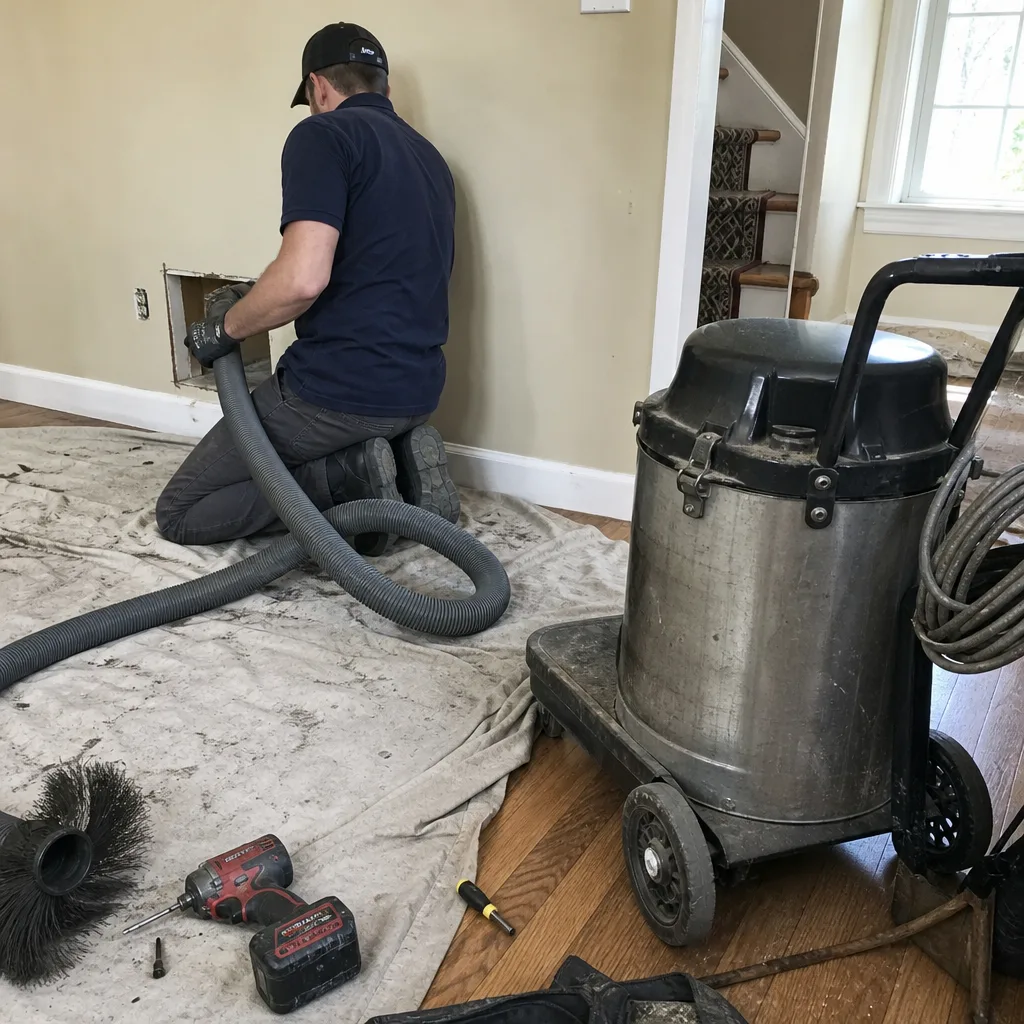 Before
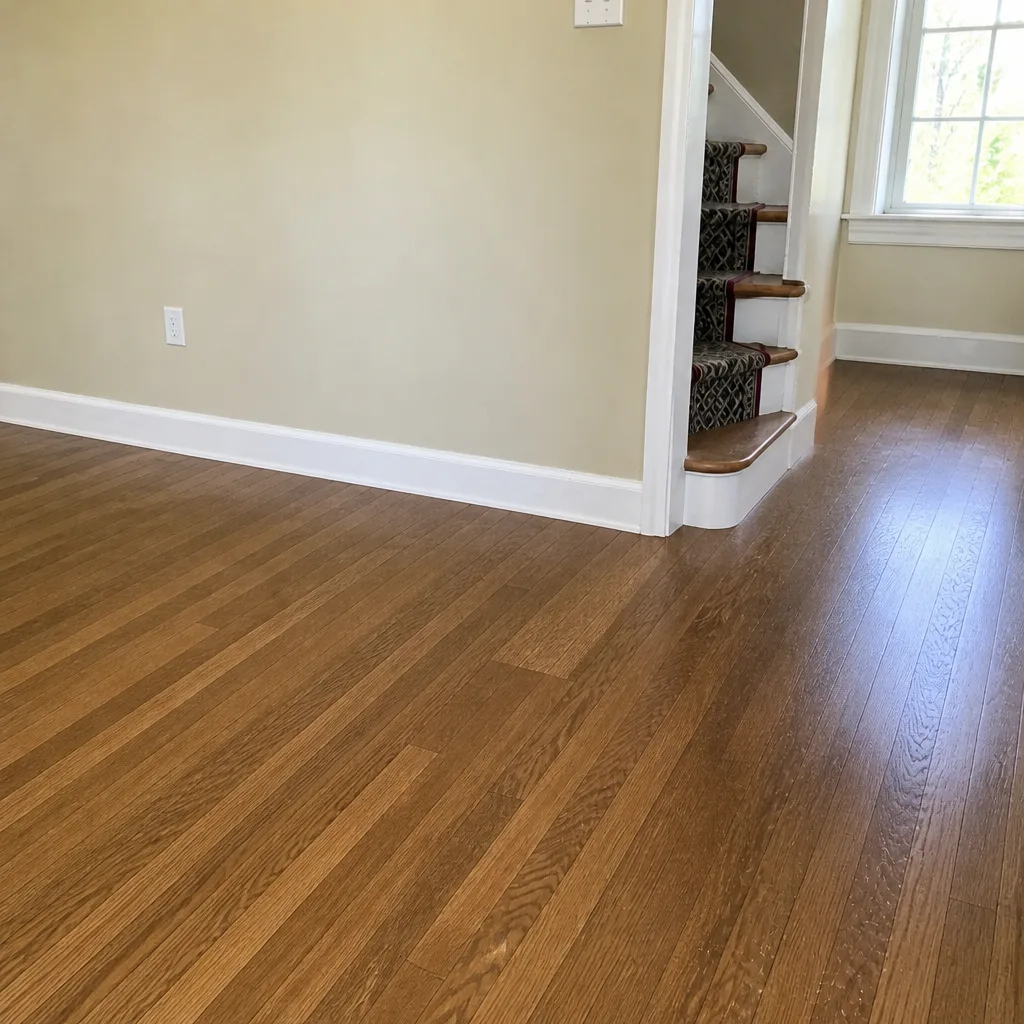 After
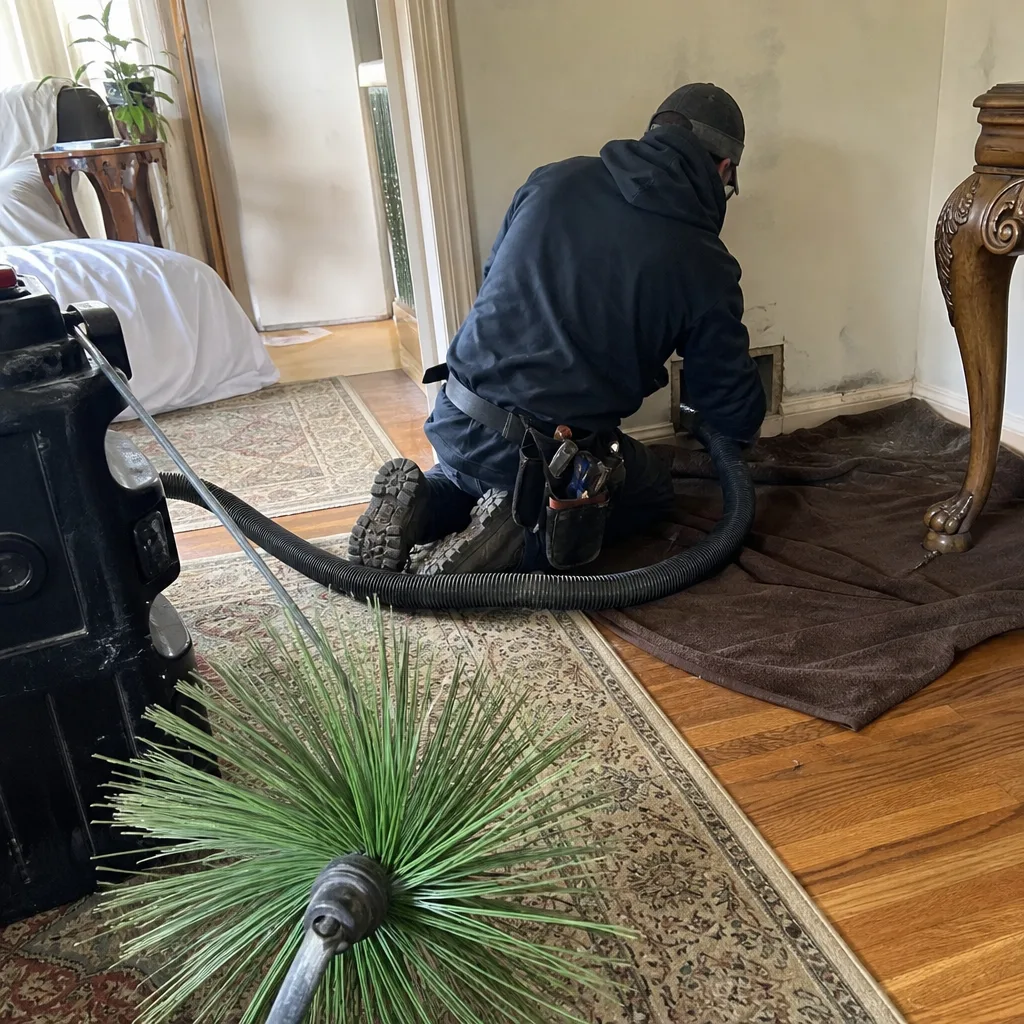 Before
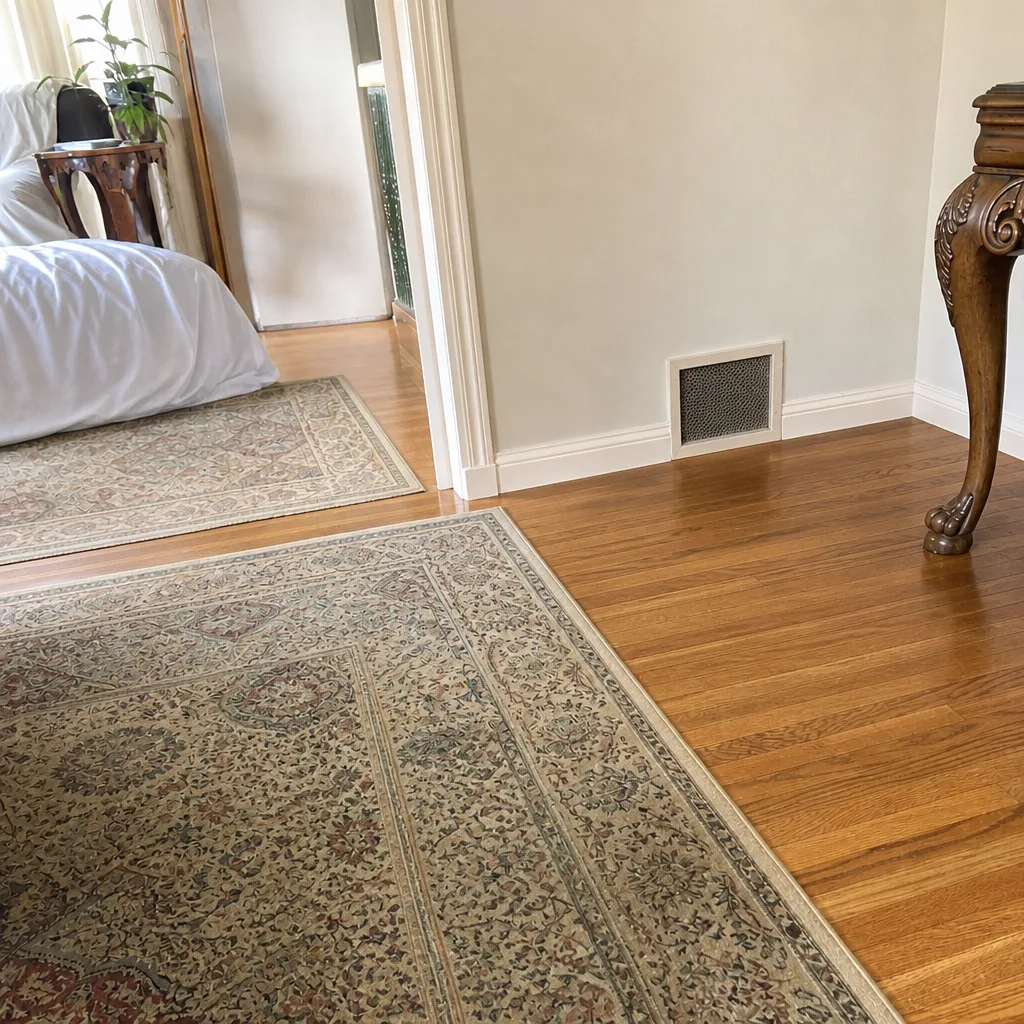 After
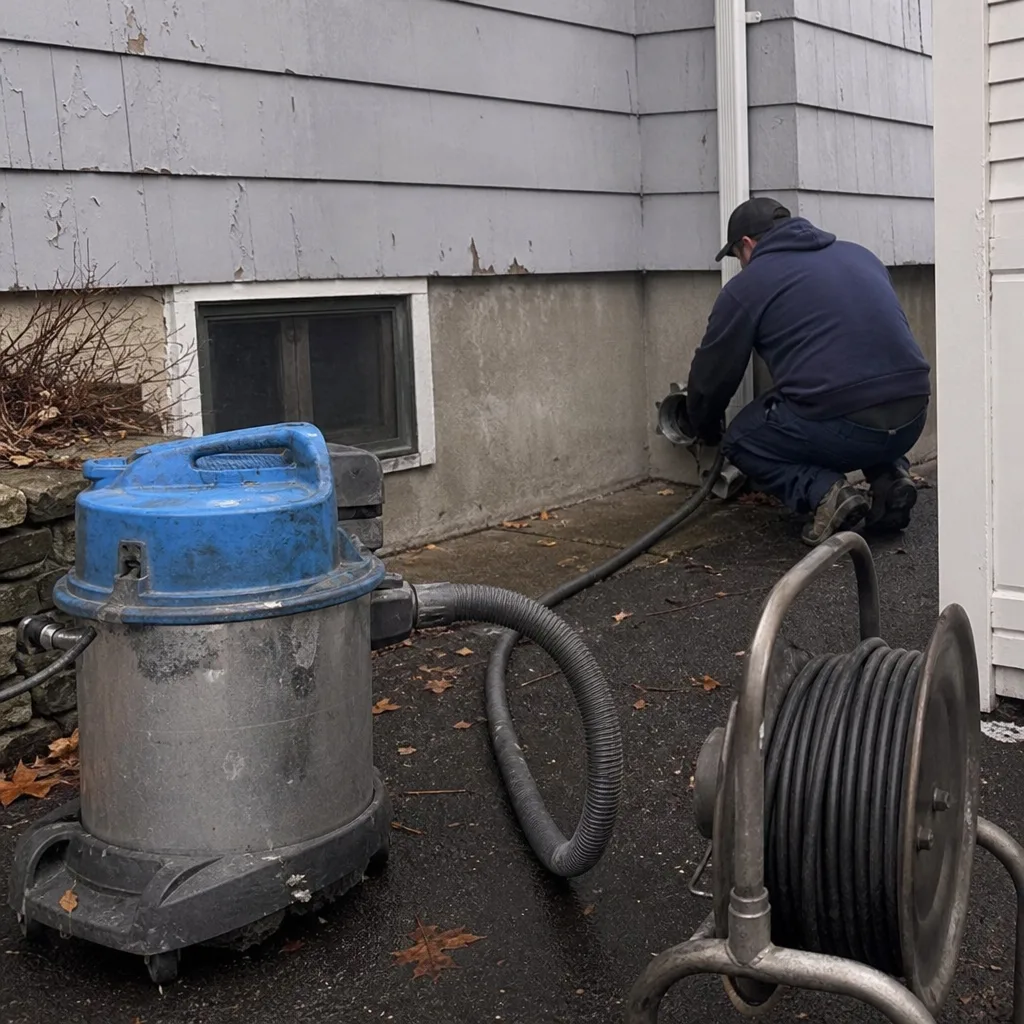 Before
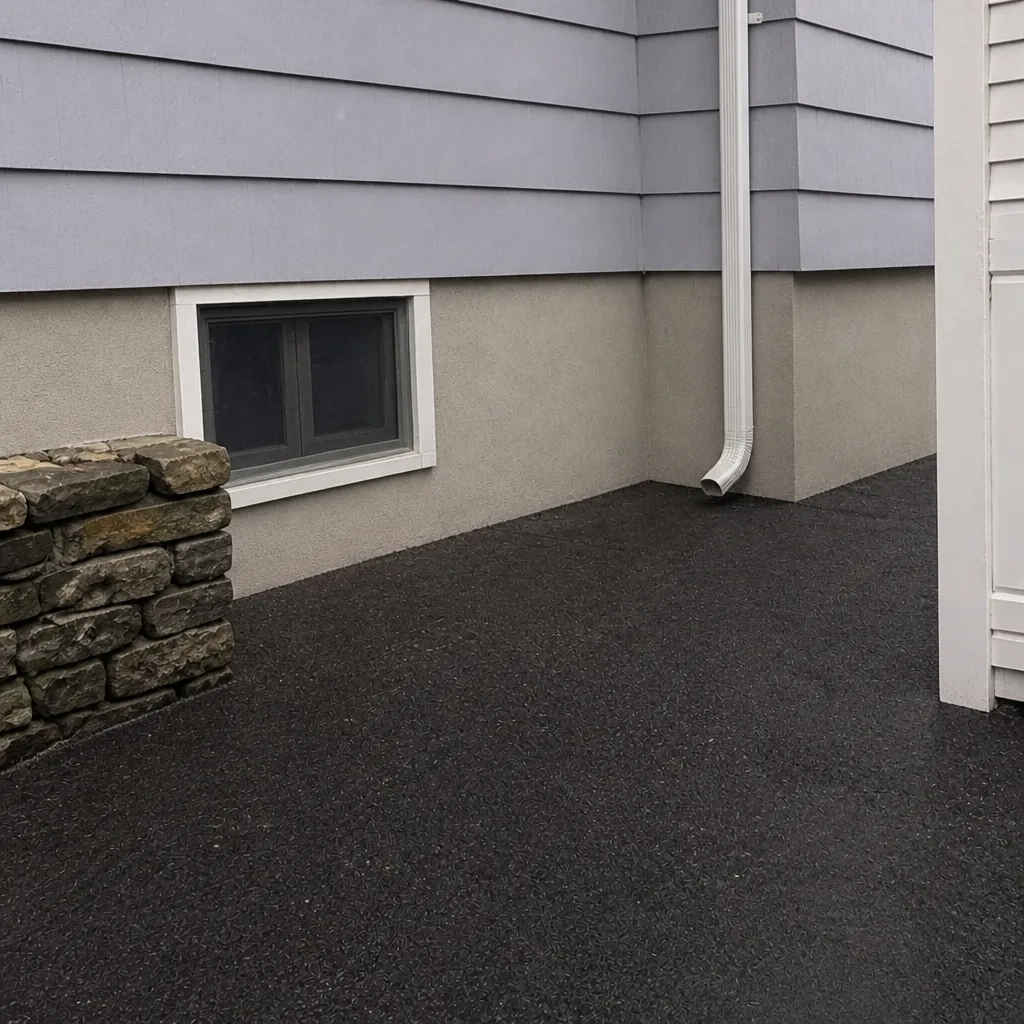 After
Common Mistakes to Avoid
- Booking the cheapest coupon. A $49-per-vent offer is almost always a lead-in to a pitch. In our experience the on-site upsell conversation runs several times the coupon price, and rarely reflects what the ducts actually needed.
- Accepting a verbal quote. Verbal quotes shift on-site. Written scope, agreed price. If a contractor won’t put it in writing, they don’t have one.
- Hiring a company that doesn’t repair. If your ductwork has a disconnected run or a crushed flex segment, cleaning alone makes the problem worse by agitating debris without removing it from the system. Ask about repair capability before you book.
- Skipping the inspection. A duct system can look fine from the register and have a collapsed trunk line in the basement. A contractor who cleans without inspecting first is doing a robot job. Insist on inspection.
- Ignoring mold or moisture flags. If you have a musty smell, a basement with high humidity, or visible growth near a register, ask specifically about containment equipment. Standard cleaning gear won’t cut it; the equipment has to match the condition.
- Forgetting the dryer vent. Dryer vents aren’t a maintenance afterthought – they’re a fire hazard. Get the vent on the same job ticket if the contractor offers it, so the whole ventilation picture gets handled.
- Expecting the ducts to fix the airflow. Cleaning removes debris but doesn’t replace a crushed duct or a failed air handler component. If airflow is the concern, ask for the diagnostics conversation on the same visit.
When to Call a Professional
Not every home needs duct cleaning on a schedule. Most don’t. A professional call makes sense when something specific has changed: you just finished a renovation and dust is coming out of the supply registers; you moved in and the previous owner clearly ran the system without a filter; you’ve noticed a musty smell that comes back after a deep clean of the house; the airflow to one side of the house is weak enough that you’re fiddling with dampers; or you’ve had a pest problem in a basement or crawlspace the ducts run through. Dryer vents are their own case – a vent that takes a long time to dry a load, feels hot to the touch after the cycle, or has visible lint around the outdoor flap needs attention on safety grounds and shouldn’t wait. At our scale of work in Stamford, the calls that turn out to be genuinely necessary tend to be the ones where a specific event triggered the question. Duct Cleaning Stamford offers free estimates in Stamford – call (855) 268-4131. We answer 24/7. Fast dispatch from 7am to 7pm, Sunday through Friday.
Frequently Asked Questions
Ask five questions on the phone before booking: what equipment they’ll bring, what proof of training they have, whether they repair ductwork or only clean it, whether they provide a written scope before work starts, and what their post-job report contains. A contractor who answers all five clearly is a real full-system operator. One who dodges two or more isn’t. Call (855) 268-4131 to hear our answers to the same five questions.
A professional crew brings a high-volume vacuum with HEPA filtration and a rotary brush system – Rotobrush and Nikro are the widely used brands. For homes with mold-related concerns or recent renovations, they should also bring HEPA negative-air containment equipment (Abatement Technologies is the standard brand). A shop vacuum and a shop-grade hose is not professional equipment. If that’s what shows up, call (855) 268-4131 and we’ll come back with the right gear.
Duct cleaning does not have a single dedicated Connecticut license class, so a “duct cleaning license” isn’t a real credential to ask for. What matters: Home Improvement Contractor (HIC) registration for most residential work above the state threshold, liability insurance, and workers’ comp coverage. If the job involves HVAC repair or installing air-quality equipment, a specialty HVAC license may apply. Ask directly which licenses the contractor carries and how they cover the work in your home.
Cheap quotes usually exclude the equipment, labor, and containment that a real job requires. A $49-per-vent coupon can’t pay for a Rotobrush system, a Nikro vacuum, and a two-person crew, so the contractor recoups the difference through on-site upsells – often mold spray or “sealant” that was never part of the original quote. The right comparison isn’t the coupon price, it’s the written scope. Call (855) 268-4131 for a written scope and a straightforward comparison.
Most homes need it on an event-driven basis, not annually. Renovation, move-in, pest activity, or a notable airflow problem are the usual triggers. A contractor who tells you the ducts need yearly cleaning regardless of condition is selling maintenance, not service. Ask what the last job looked like and what the report showed – that’s the honest interval answer. Call (855) 268-4131 if you want us to look at your system and tell you straight whether it needs cleaning.
Most duct cleaning companies cannot; they clean only. A full-system operator inspects while cleaning and can reattach a disconnected run, reseal a leaking joint, or replace a crushed flex segment on the same trip. If your ducts have a known problem, ask the repair question first. We clean it, and if we find damage, we fix it before we leave. Call (855) 268-4131 to book an inspection and estimate.
A proper post-job report includes before-and-after photos of the trunk line, at least one branch run, and the air handler, plus written findings and any repairs documented. It also flags anything that wasn’t addressed. An invoice alone isn’t a report – ask for the photo documentation before you pay. If it’s not part of the standard deliverable, that’s your answer on how thorough the visit actually was.
Some do, many don’t. Dryer vent cleaning is a separate safety job and shouldn’t be folded into a duct cleaning pitch as an upsell. Ask specifically about dryer vent cleaning capability if you want both handled on the same visit. Restricted dryer vents are a fire hazard, not a maintenance chore, so the safety framing should come from the contractor unprompted. Call (855) 268-4131 to add a dryer vent to the same estimate.
The Bottom Line
Hiring a duct cleaning contractor in Stamford isn’t about finding the lowest quote. It’s about asking five questions and listening for the answer pattern. Real operators name their equipment, show training, repair ductwork alongside cleaning, put a written scope in front of you before work begins, and hand you a report with before-and-after photos when it’s done. Lead-gen crews dodge those questions every time. The written scope is your protection, and the report is your proof. Run one contractor through the five questions in a phone call, and you’ll know in ten minutes whether they’re worth inviting into your home.
Duct Cleaning Stamford brings professional-grade Rotobrush and Nikro equipment, Abatement Technologies containment for jobs that need it, and same-visit repair capability to residential and light-commercial duct work, plus authorized supply and install of Honeywell and Aprilaire air-quality products. Free estimates, one flat price per system agreed before work starts, and before-and-after photos of your own ducts as the standard deliverable. Cleaning, repair, and air-quality upgrades under one contractor – that’s the full scope. Call (855) 268-4131 for a free estimate. We answer 24/7. Fast dispatch from 7am to 7pm, Sunday through Friday.
Written by the team at Duct Cleaning Stamford.