
Last updated November 14, 2026
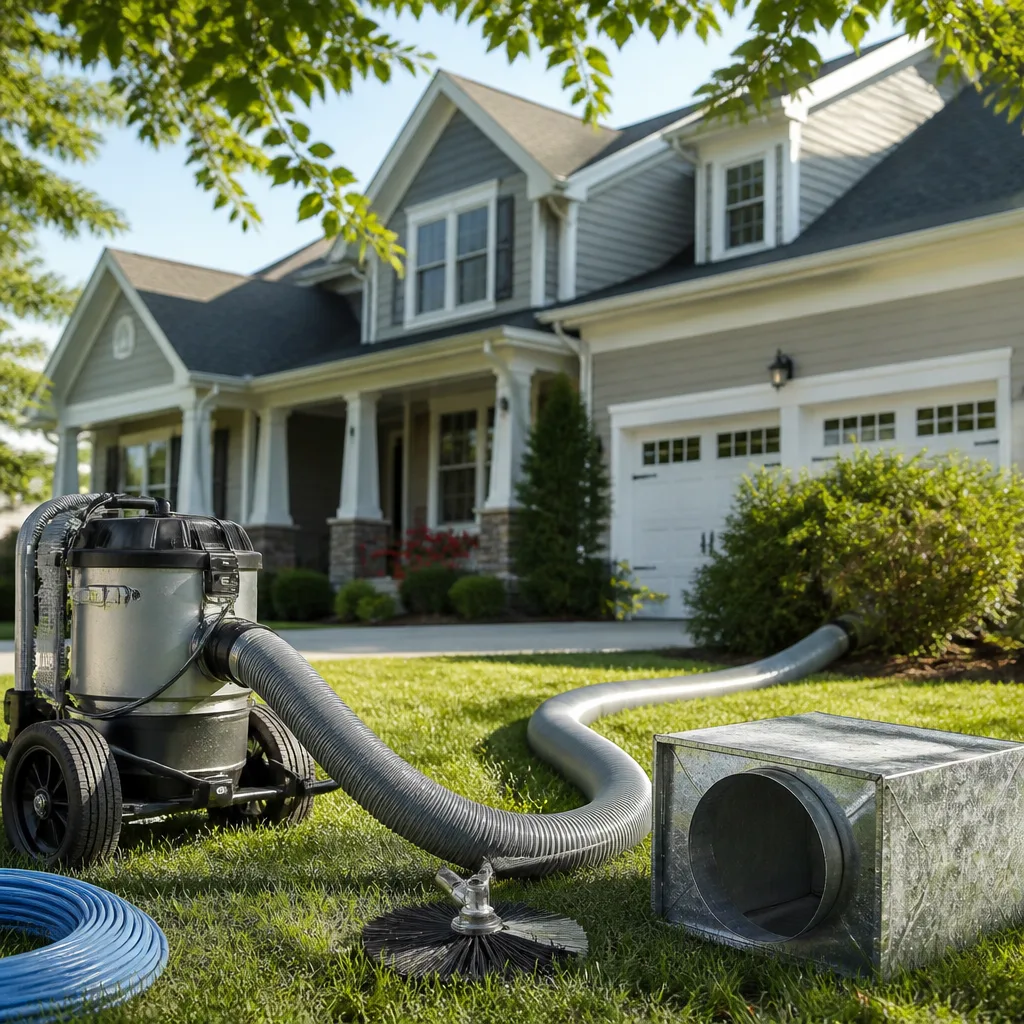 Whole-home duct cleaning
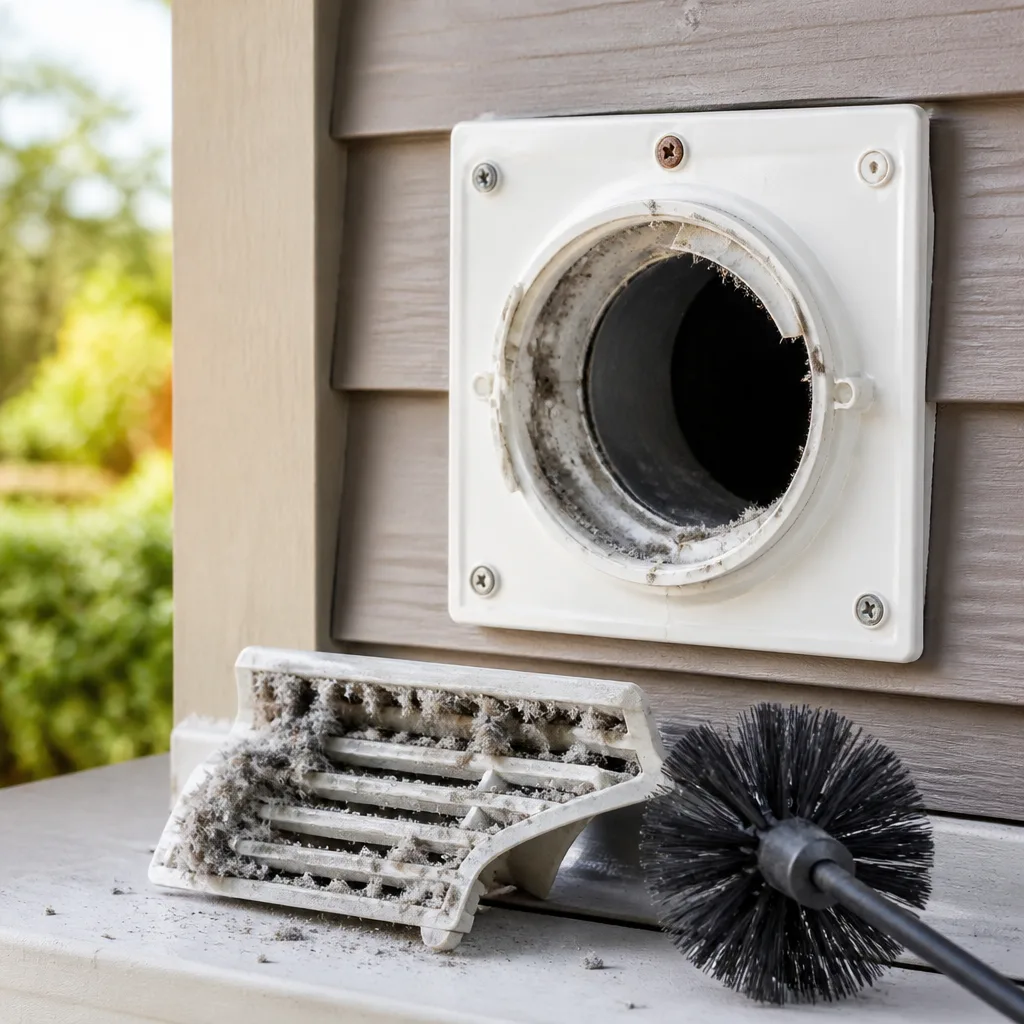 Dryer vent cleaning
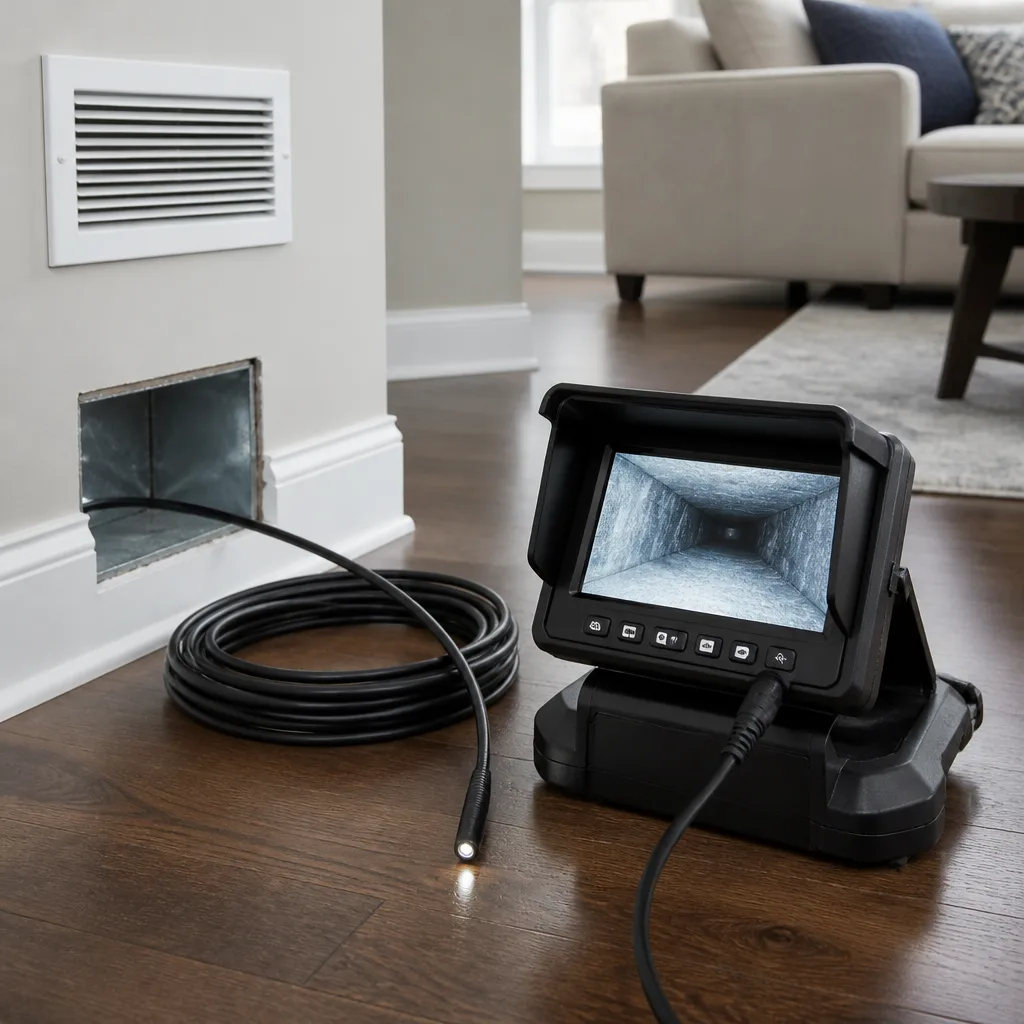 Camera inspection
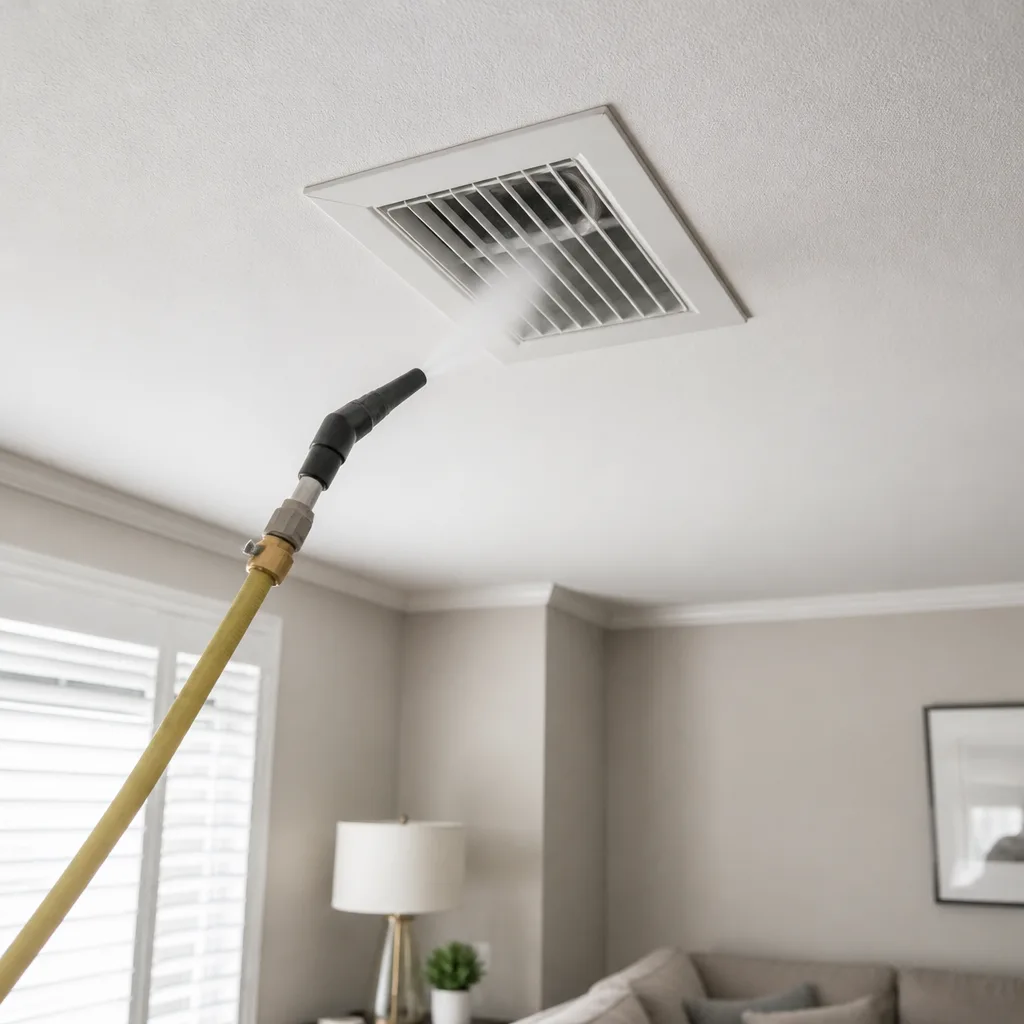 Sanitizing & deodorizing
Whole-system duct and dryer vent check with before-and-after photos - you see exactly what came out of your vents
That "$99 whole-house special" is a bait ad - the real number appears once they are in your hallway, or the "clean" is a shop-vac at the register. We photograph the inside of your ducts before and after instead.
Seasonal Air Duct Cleaning Care for Stamford: Year-Round Homeowner’s Guide
The usual advice to clean your ducts every three to five years was not written for a Stamford home that runs a humidifier all winter and sits close to Long Island Sound. That generic interval treats every house in every climate the same, and it misses the real problem: ducts don’t collect dirt on a tidy schedule. They collect it in bursts tied to specific seasons and specific events, and in Stamford those bursts look different from what happens in a dry inland town or a desert city. This guide maps the four stress periods a Stamford duct system actually goes through, what each one deposits, and when it’s worth acting. You’ll finish knowing which season matters most for your house and which triggers override the calendar entirely.
Quick Answer
For most Stamford homes, the highest-value time to inspect and clean air ducts is early fall, right before the heating system starts running hard, because that’s when summer humidity damage and pollen buildup are visible and combustion byproducts haven’t yet been pushed through the whole house. A spring check after heating season and a mid-winter filter upgrade round out the year. Cleaning intervals of three to five years work as a rough default, but local humidity, pollen load, and renovation timing should set your actual schedule. Duct Cleaning Stamford handles the full system from the duct opening to the main trunk line, so the inspection and the cleaning happen in one visit.
Styles & brands we work with
- Whole-home duct cleaning
- Dryer vent cleaning
- Camera inspection
- Sanitizing & deodorizing
Table of Contents
- Why the Generic “Every 3-5 Years” Rule Falls Short in Stamford
- Spring: The Post-Heating-Season Inspection
- Summer: Condensation Risk Inside Duct Runs
- Fall: The Pre-Heating-Season Startup Check
- Winter: Full-Capacity Running and Filter Upgrades
- Event-Based Triggers That Override the Calendar
- What You Can Check Yourself and What You Can’t
- Dryer Vent Cleaning: The Seasonal Safety Check That Isn’t Optional
Why the Generic “Every 3-5 Years” Rule Falls Short in Stamford
Stamford sits in a climate band where four distinct conditions push different contaminants into the ducts at different times of year. Temperature is only one part of it. The bigger drivers are humidity swings, the local pollen calendar, the way heating season startup behaves in forced-air homes, and the fact that this is an established city where renovation work is constant. Each of those deposits something different, and each has its own best time to deal with it.
A house in a dry climate might genuinely get away with a five-year interval because dust is the only real load. A Stamford home loads up on four fronts: fine pollen during the spring tree and grass season, condensation-driven microbial growth in summer when humid air meets cold duct surfaces, combustion residue near the air handler in heating months, and renovation dust from the steady churn of kitchen and bathroom remodels across the city. Treating all of those as one uniform “dust” problem is why the generic rule misfires.
The practical fix is to think in seasons rather than years. Each season gets one focused check, and the cleaning gets scheduled around whichever season is producing the most load in your particular house. For most Stamford houses, that’s fall. For a home that just finished a renovation or flooded a basement, the trigger is the event, not the season, and we cover that further down.
This matters for indoor air quality most in homes with allergy sufferers, young children, or anyone who has recently moved in and doesn’t know the duct history. If you’re in that group, a single full-system cleaning with a before-and-after record of what came out is a reasonable starting point rather than waiting on a calendar. Our air duct cleaning service uses professional Rotobrush and Nikro equipment, not consumer-grade blowers, which matters because the dust load in an older Stamford home is usually heavier than what a shop vac can move.
Spring: The Post-Heating-Season Inspection
Spring is the season to look at what heating season left behind, and the most important thing to check isn’t the visible dust in the registers. It’s the air handler and the ductwork immediately around it, where combustion byproducts can accumulate in homes with oil or gas forced-air systems. A properly sealed and vented system keeps those byproducts out of the airstream, but a duct that has developed a gap or a poorly sealed joint near the unit can let trace amounts into the supply side. That’s a job for a trained technician to inspect, not a homeowner with a flashlight.
Spring is also when pollen infiltration peaks. Stamford’s tree pollen season runs hard through April and May, and return ducts that leak draw unconditioned outdoor air straight into the system. A leaky return doesn’t just pull in pollen; it pulls in the fine particulates that ride along with it. If you notice a fine yellow-green film on horizontal surfaces even with the windows closed, that’s usually the return side telling you something.
Here’s how a spring inspection should go:
- Inspect the air handler cabinet and the first few feet of supply and return duct for soiling, moisture, or gaps at the seams.
- Check the filter slot and the filter itself for bypass, where air slips around the filter instead of through it.
- Look at the return grilles for pollen staining and pest evidence.
- Assess whether the accumulated load warrants a full cleaning or just a filter and seal correction.
- Document findings with photos so you have a baseline for the next season.
We do this inspection with the same equipment we clean with, which means if we find a separated joint or a crushed flex run, we can note it and quote a fix rather than handing you a referral. That’s the difference between a cleaning visit and a full-system service.
Summer: Condensation Risk Inside Duct Runs
Summer in Stamford brings the condition that causes the most expensive duct problems: condensation inside poorly insulated or improperly routed duct runs. When cold air from the air handler moves through a duct that sits in a hot, humid attic or crawlspace, moisture forms on the outside of the duct. If that duct has even a small tear or a poorly sealed joint, the moisture gets pulled into the airstream and into the insulation, and that’s where mold and musty odors start.
What to look for in summer:
- A musty or damp smell that gets stronger when the air conditioning runs.
- Condensation or water staining on duct insulation in the attic or crawlspace.
- Reduced airflow from registers on the longest runs, which often means a flex duct has sagged and collected moisture.
- Visible dark staining around duct joints or at the air handler cabinet.
When any of those show up, act on them. Summer is not the time to wait until fall, because every week of running a wet system spreads the problem. This is where professional containment matters. We use Abatement Technologies equipment for jobs that need HEPA-level negative-air containment, which is the right approach when mold, heavy debris, or post-renovation contamination is in play. Cleaning without containment in a wet system just spreads spores through the house.
If the inspection finds a moisture source, the fix has two parts: clean and dry the affected duct, then correct whatever let the moisture in. A crushed flex run, a disconnected joint, or missing insulation gets repaired, not just cleaned around. Duct Cleaning Stamford does that repair as part of the same engagement, which closes the gap most stand-alone cleaners leave open.
Fall: The Pre-Heating-Season Startup Check
Fall is the single highest-value inspection timing for a Stamford home with oil or gas forced air. Here’s why: the heating system is about to run for months, and whatever is sitting in the ducts now gets distributed through every room in the house. A fall inspection catches summer moisture damage, pollen accumulation, and any seal failures before they get pushed into the living space all winter. It also gives you time to correct problems before the first cold snap, when every HVAC contractor in the area is booked.
The fall startup check is a specific sequence, and it’s worth knowing what it covers so you can ask the right questions:
- Inspect the air handler and heat exchanger area for soiling and combustion residue (a technician task, not a homeowner one).
- Check all accessible duct runs for moisture damage, sagging, and disconnected joints from the summer.
- Test the filter and upgrade it if the current one is under-rated for the house.
- Clean the system if the accumulated load warrants it, with before-and-after photos.
- Seal any leaks found at the air handler, trunk line, or return side.
- Confirm the registers are delivering full airflow before heating season begins.
The fall check is also the natural time to look at air-quality upgrades. We supply and install Honeywell and Aprilaire indoor-air-quality products, so a cleaning visit can extend into filtration or humidity control rather than stopping at the duct opening. For a Stamford home that runs a humidifier all winter, getting the humidity side of the system right in fall pays off through the whole heating season.
Winter: Full-Capacity Running and Filter Upgrades
Winter is when the system runs at full capacity for months, and that’s exactly when debris accumulation speeds up. Every hour of forced-air running pulls more dust, pet hair, and fine particulate through the return side, and the filter is the only thing standing between that load and the blower. A filter that’s under-rated for the house lets more through, which means the ducts load faster and the cleaning interval shortens.
This is where a mid-season filter upgrade earns its keep. Moving to a MERV 11 or higher filter mid-winter reduces how much debris reaches the ductwork, which can extend the time between full cleanings. It doesn’t replace cleaning, and it doesn’t fix a leaky return, but it slows the accumulation. The catch is that a high-MERV filter adds resistance, and an older system with undersized return ducts may not handle it well. Check that the blower can move enough air before you jump to a higher rating.
Winter is also when homeowners notice the symptoms that point back to the ducts: uneven heating room to room, a dusty film returning within days of cleaning, musty smell when the heat kicks on. When those show up mid-winter, it’s worth a call rather than waiting for spring. We answer 24/7, and fast dispatch runs 7am to 7pm, Sunday through Friday.
One more winter note for Stamford homes with a humidifier: the moisture the humidifier adds is good for comfort but raises the load on any duct that isn’t well sealed. A return-side leak in winter pulls cold dry outdoor air in, which fights the humidifier and drives up heating cost. Sealing those leaks is often the cheapest air-quality improvement in the house.
Event-Based Triggers That Override the Calendar
The seasonal schedule is a baseline, not a rule. Certain events load a duct system far past what a normal season does, and those events should trigger an inspection regardless of when the last cleaning happened. We’ve seen all of these in Stamford homes, and each one changes the timing.
- Basement flooding or water intrusion. Any water event that reaches the ductwork or the air handler area needs an inspection right away, because moisture inside a duct is where mold starts. Don’t wait for the next seasonal window.
- Renovation dust. Kitchen and bathroom remodels, flooring replacement, and drywall work generate fine dust that a standard filter doesn’t catch. If the HVAC ran during the work, the ducts pulled that dust in. Inspect and clean after the work, not before.
- Pest evidence. Droppings, nesting material, or gnawed duct insulation at the registers or in the attic means an inspection and cleaning, plus a repair to seal whatever let the pest in. This one doesn’t wait.
- HVAC system replacement. When a new furnace or air handler goes in, the existing ducts should be inspected and cleaned before the new equipment runs. New equipment on dirty ducts just distributes the old load.
- Moving into a new home. You don’t know the duct history. A full-system cleaning with before-and-after photos gives you a baseline, and it’s the cheapest way to find out what you bought.
- New allergies or musty odors. A change in how the house smells or how the occupants feel is a signal worth acting on. Odor that gets stronger when the system runs points to the ducts.
When one of these hits, the seasonal calendar resets from that point. A home that flooded a basement in July gets a summer inspection and a follow-up in fall, not a wait-until-next-year plan.
What You Can Check Yourself and What You Can’t
There’s a useful line between what a homeowner can safely check and what needs a trained technician. Knowing where that line sits saves you from either missing a real problem or creating one.
What you can check yourself:
- Filter condition and whether air is bypassing the filter at the slot.
- Visible dust or staining at the return and supply registers.
- Musty or damp odors that get stronger when the system runs.
- Uneven airflow from room to room, which can point to a crushed or disconnected run.
- Water staining or condensation on accessible ductwork in the attic or crawlspace.
What needs a professional:
- Anything involving the air handler cabinet, the heat exchanger, or combustion components. That’s a safety matter and not a homeowner task.
- Any duct repair involving flex runs, trunk line connections, or sealing at the unit.
- Any moisture or mold situation inside the ductwork, which needs containment and proper cleaning rather than a wipe-down.
- Any decision about filter rating that could affect blower performance.
If a check turns up something from the second list, that’s the moment to call. Our technicians have up to 14 years of experience, and they carry the repair capability to fix what an inspection finds, so a single visit can cover both. Call (855) 268-4131. We answer 24/7. Fast dispatch from 7am to 7pm, Sunday through Friday.
Dryer Vent Cleaning: The Seasonal Safety Check That Isn’t Optional
Air ducts get the attention, but the dryer vent is the one line in the house where a seasonal check is a safety matter, not a comfort upgrade. Lint accumulation in the vent is the leading cause of dryer fires, and it builds up faster than most homeowners expect. A vent that’s partially blocked also drives up drying time, which is the early symptom worth catching.
The seasonal rhythm for a Stamford home is a check in spring and another in fall, with an extra look if you notice clothes taking longer to dry or the dryer running hot on the outside. A blocked vent restricts airflow, the dryer overheats, and the lint near the exhaust is the fuel. It’s not a minor chore, and it’s not an upsell. It’s the reason we include dryer vent cleaning as one of our three core services.
The same professional equipment that cleans ducts handles the vent properly, which matters because a surface pass with a brush doesn’t clear the compacted lint at the vent’s bends and exterior termination. If your dryer vent runs through a wall or up through the roof, the termination point is the part most homeowners can’t reach and the part most likely to be blocked.
Common Mistakes to Avoid
- Following the three-to-five-year rule blindly. That interval ignores Stamford’s humidity and pollen load, and it ignores events like flooding or renovation. Use the season and the trigger, not just the calendar.
- Cleaning without checking the return side. A leaky return keeps pulling outdoor pollen in, so a cleaning that leaves the return leaks in place just lets the problem rebuild. Seal the leaks at the same time.
- Ignoring summer moisture. A musty smell in summer is a moisture problem, not just a cleaning problem. Cleaning without finding and fixing the moisture source spreads it.
- Upgrading to a high-MERV filter without checking airflow. A MERV 13 filter on undersized return ducts can choke the blower and reduce comfort. Match the filter to the system, not to the highest rating on the shelf.
- Skipping the dryer vent. It’s the one seasonal check with a fire-safety dimension, and it’s easy to forget because it doesn’t affect how the house feels.
- Letting a contractor clean without containment when there’s mold or heavy debris. Without HEPA-level negative-air containment, cleaning a contaminated system spreads spores through the living space instead of removing them.
- Cleaning before a renovation instead of after. The work generates the dust. Cleaning first wastes the visit. Schedule the cleaning after the dust settles.
See the difference
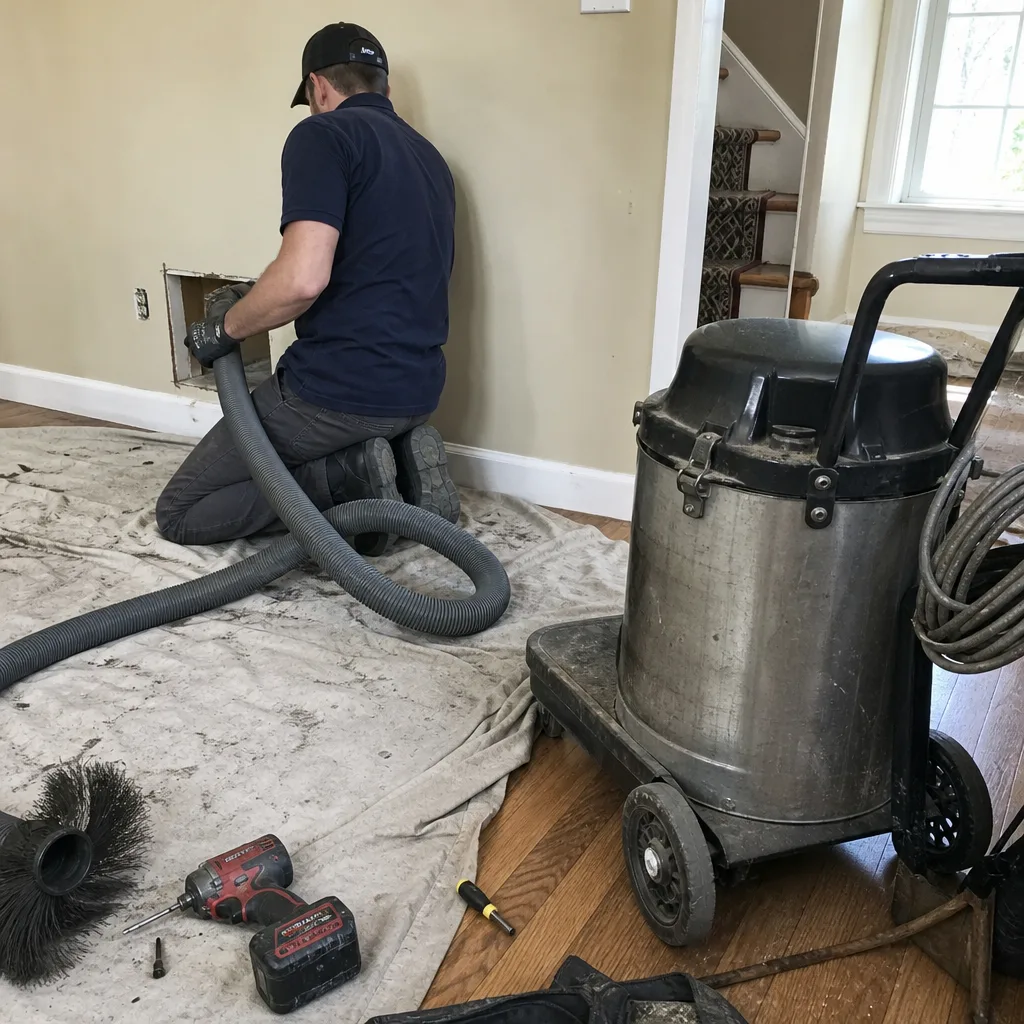 Before
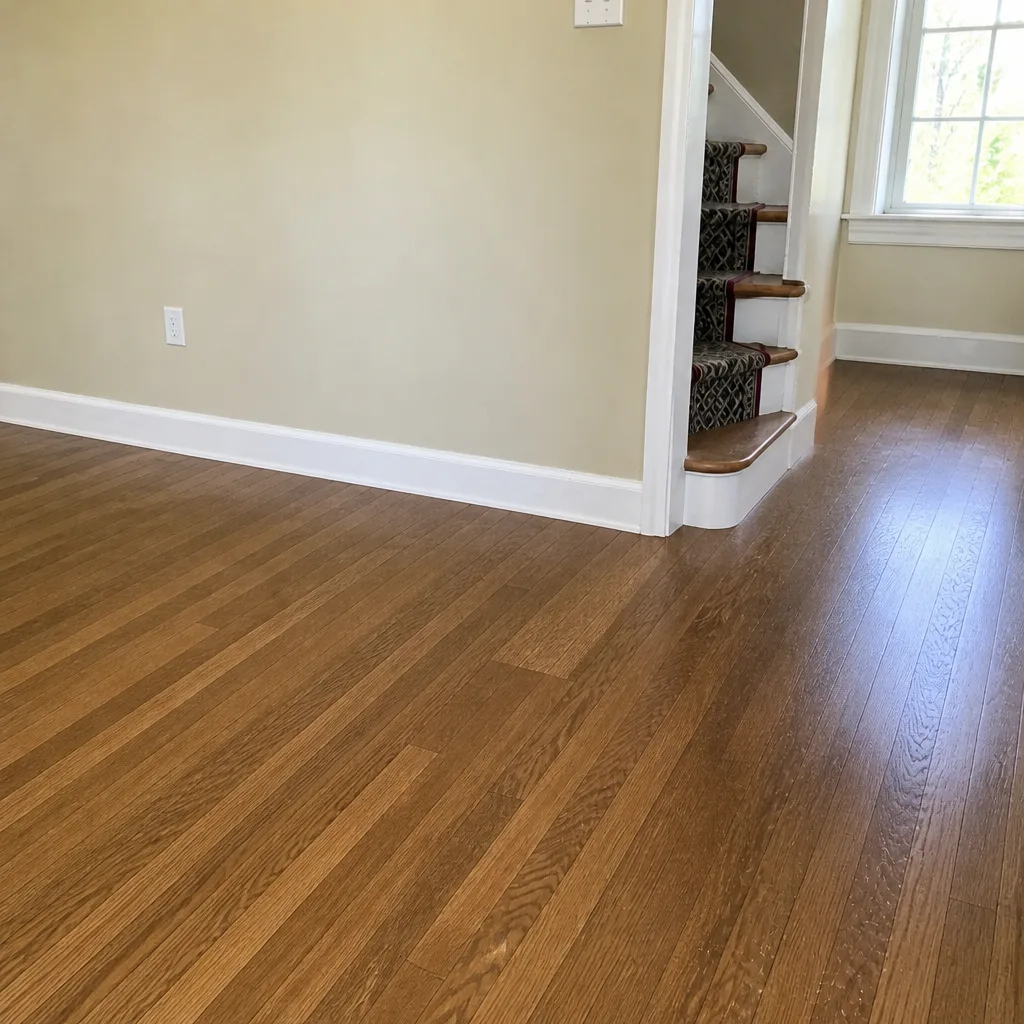 After
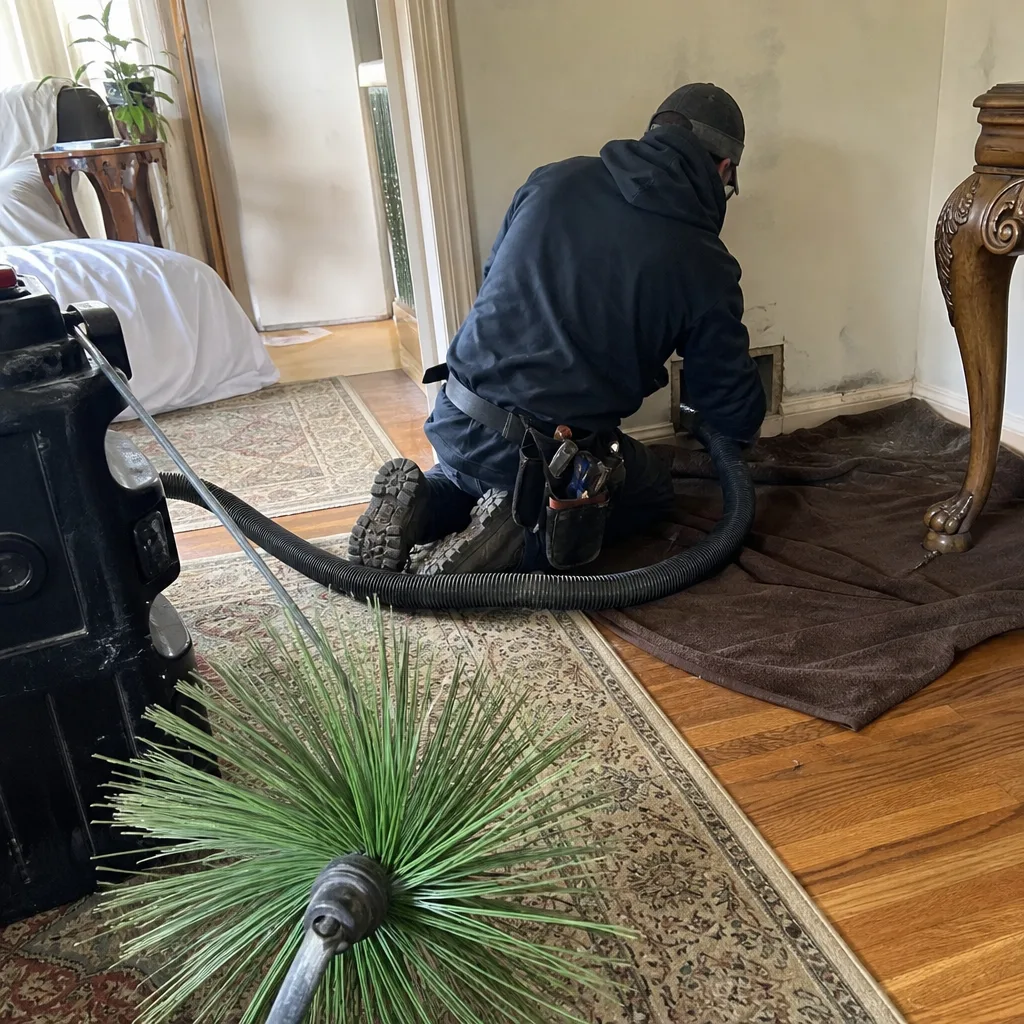 Before
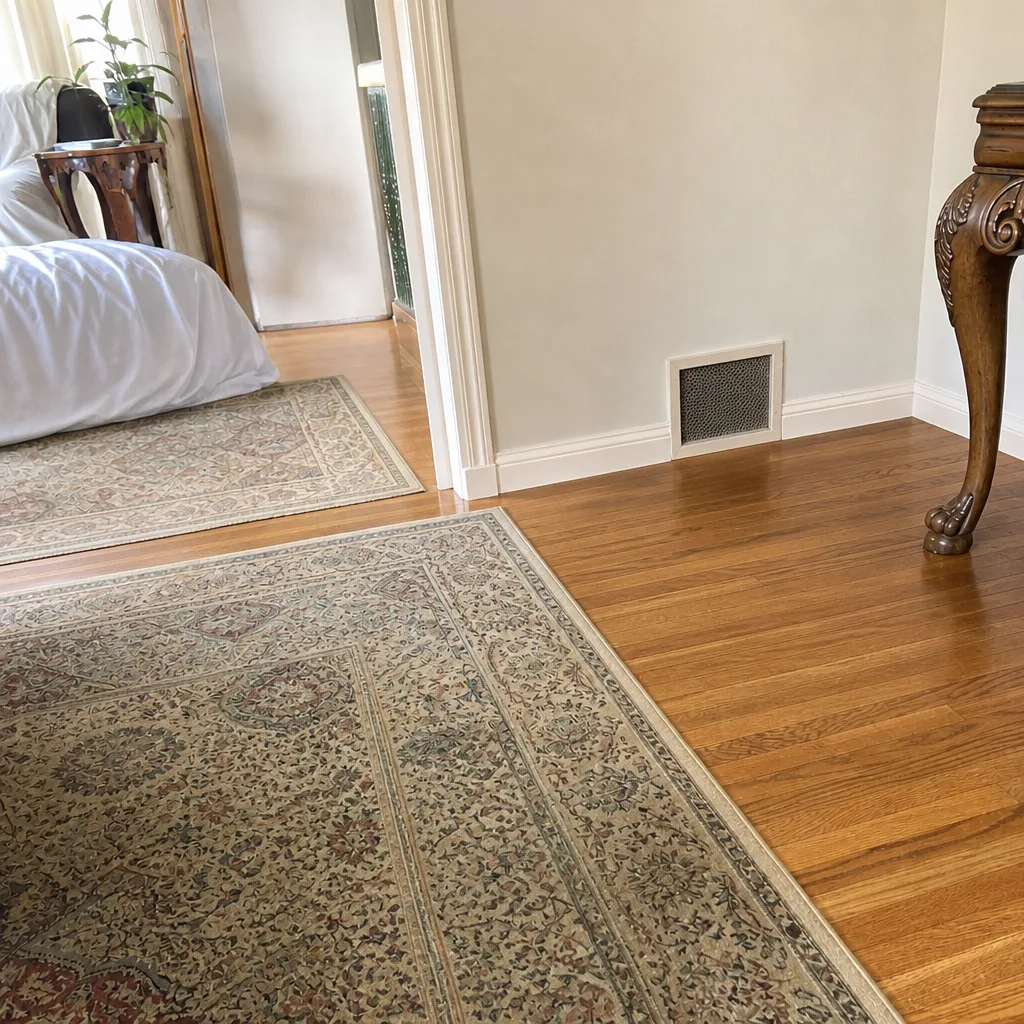 After
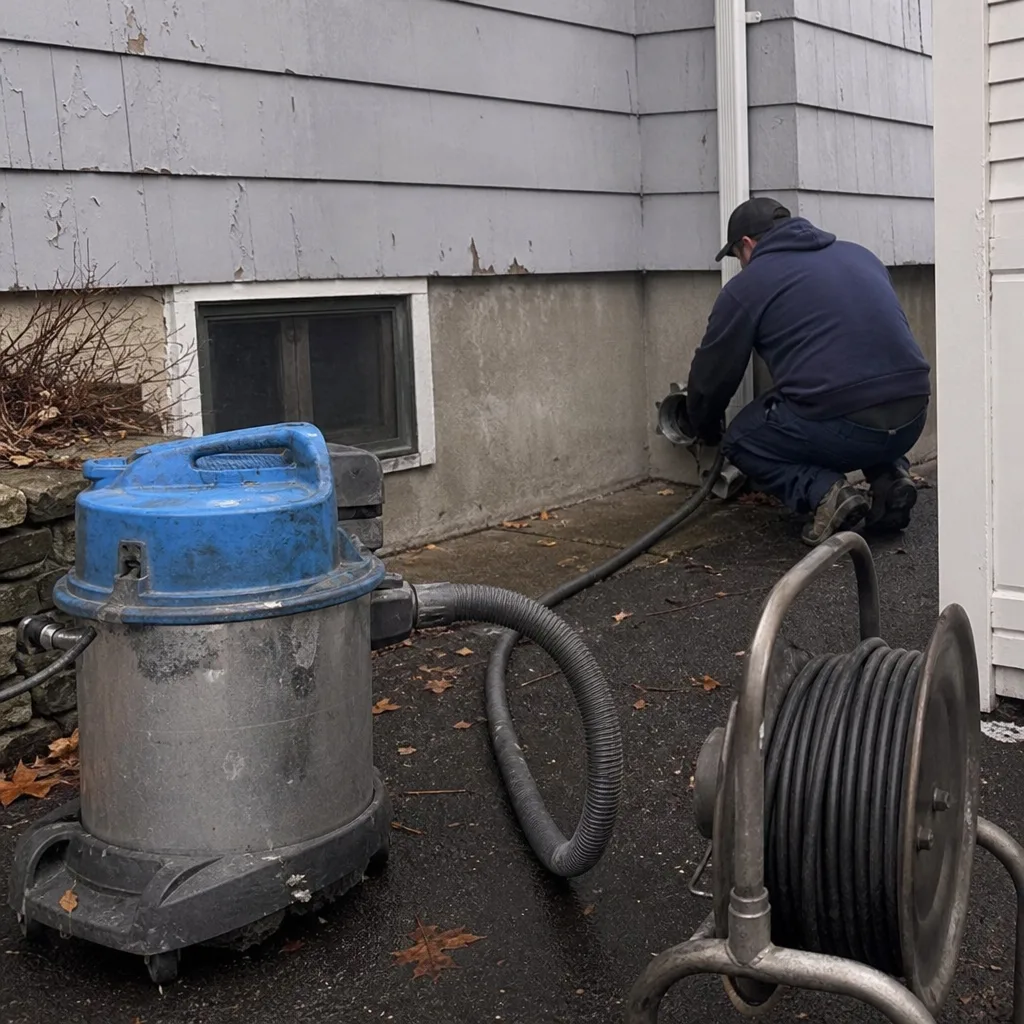 Before
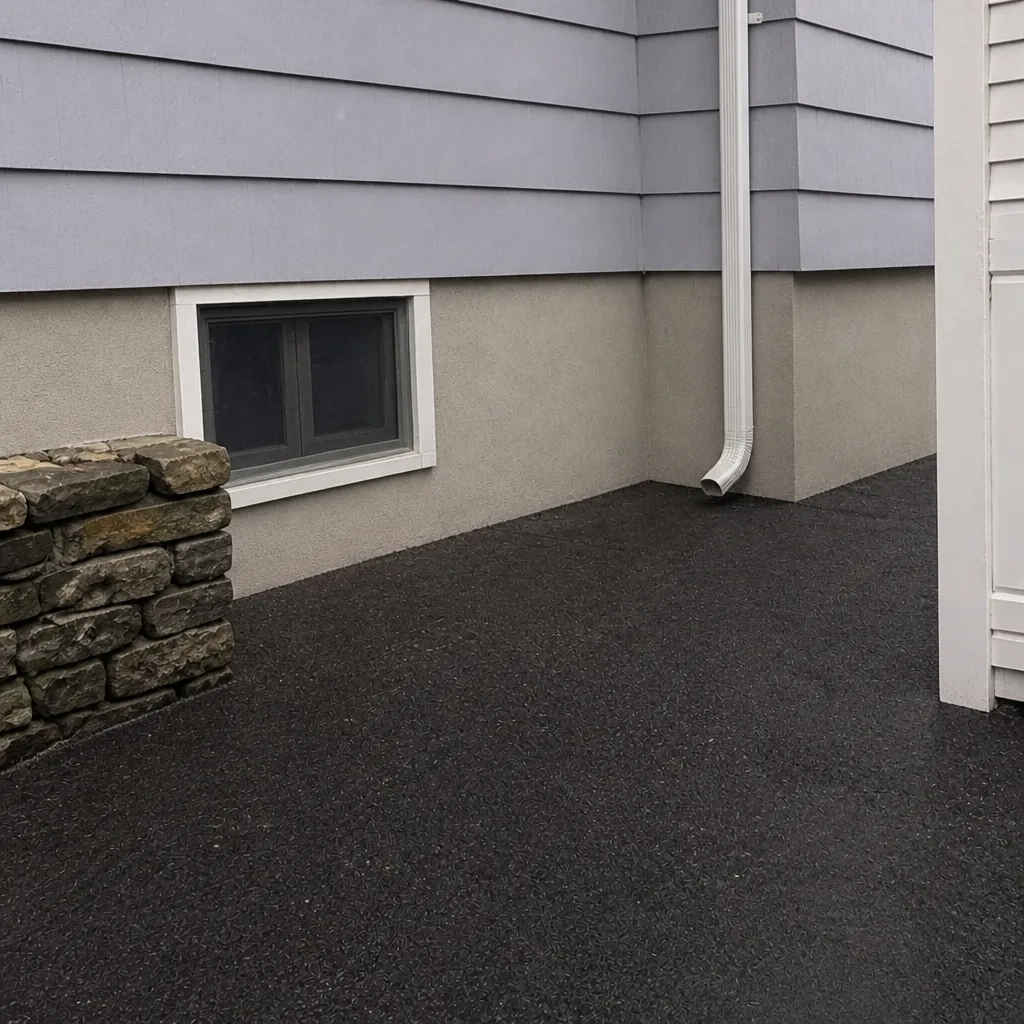 After
When to Call a Professional
Call when the seasonal checks turn up anything from the professional list, when an event trigger hits, or when you simply don’t know the duct history of a home you’ve just moved into. Smells that get stronger when the system runs, water staining on duct insulation, uneven airflow, pest evidence, or a renovation that just finished all point to a professional inspection. So does a dryer that’s taking noticeably longer to dry clothes.
Duct Cleaning Stamford offers free estimates in Stamford. Our work is one flat price per system, agreed before work starts, with before-and-after photos of your own ducts, so you can see what came out. We’re insured and bonded, and our technicians have up to 14 years of experience. Call (855) 268-4131. We answer 24/7. Fast dispatch from 7am to 7pm, Sunday through Friday.
Frequently Asked Questions
For most Stamford homes, a full cleaning every three to five years is a reasonable baseline, but the local humidity and pollen load often justify cleaning closer to the three-year end. Homes with pets, allergy sufferers, or recent renovation should be inspected yearly regardless of when the last cleaning happened. The season matters as much as the interval, and early fall is the highest-value inspection timing for forced-air homes here.
Fall is the highest-value window because the heating system is about to run hard for months, and whatever is in the ducts now gets distributed through every room. A fall inspection catches summer moisture damage and pollen accumulation before heating season, and it gives you time to correct problems before the first cold snap books every HVAC contractor. It also lets you set the filter and humidity strategy for winter in one visit.
Musty odors that get stronger when the system runs, a dusty film that returns within days of cleaning, uneven airflow room to room, and visible staining at the registers or on accessible ductwork are the main signals. Any of those justify an inspection rather than waiting for the next seasonal window. Water staining or pest evidence should move to the top of the list.
Only if the moisture source gets corrected, which is why we inspect for condensation, sagging flex runs, and disconnected joints before cleaning. Cleaning a wet system without finding the moisture source just spreads the problem. The repair closes the gap, and it’s the part most stand-alone cleaning companies can’t do because they don’t offer duct repair.
Yes, a MERV 11 or higher filter reduces how much debris reaches the ductwork, which can extend the interval between cleanings. It doesn’t replace cleaning, and it doesn’t fix a leaky return. It also adds airflow resistance, so confirm the blower can handle the rating before upgrading, especially in an older Stamford home with undersized return ducts.
We price the work per system rather than per vent, so the number depends on the size and layout of the ductwork, the number of systems, and the condition the inspection finds. That’s why we quote from a free estimate rather than a coupon figure. The written estimate sets the final price, and it’s agreed before work starts. Call (855) 268-4131 for an exact quote. We answer 24/7.
Cheap quotes usually reflect a surface pass with consumer-grade equipment, no containment, and no repair capability, which leaves the return leaks and moisture problems in place. The low coupon price that becomes a much larger invoice once the technician is on site is the industry’s worst habit. We avoid it with one flat price per system, agreed before work starts, and before-and-after photos of your own ducts so you can see what came out.
The Bottom Line
The three-to-five-year rule is a starting point, not a plan for a Stamford home. Spring catches what heating season left behind, summer is about moisture and condensation, fall is the highest-value inspection before the system runs hard, and winter is about filters and full-capacity load. Event triggers – flooding, renovation, pests, a new HVAC system, a new home – reset the calendar entirely. Whatever the season, one flat price per system, agreed before work starts, with before-and-after photos, is the standard to hold any contractor to. Duct Cleaning Stamford covers cleaning, dryer vents, and duct repair under one contractor. Call (855) 268-4131. We answer 24/7. Fast dispatch from 7am to 7pm, Sunday through Friday.
If you want to know what your Stamford home’s ducts actually look like before the next heating season, the estimate is free and the inspection is thorough. Reach out to the team for Stamford service and we’ll tell you what we find, including whether the fix is a cleaning, a repair, or both.
Written by the team at Duct Cleaning Stamford.