
Last updated November 14, 2026
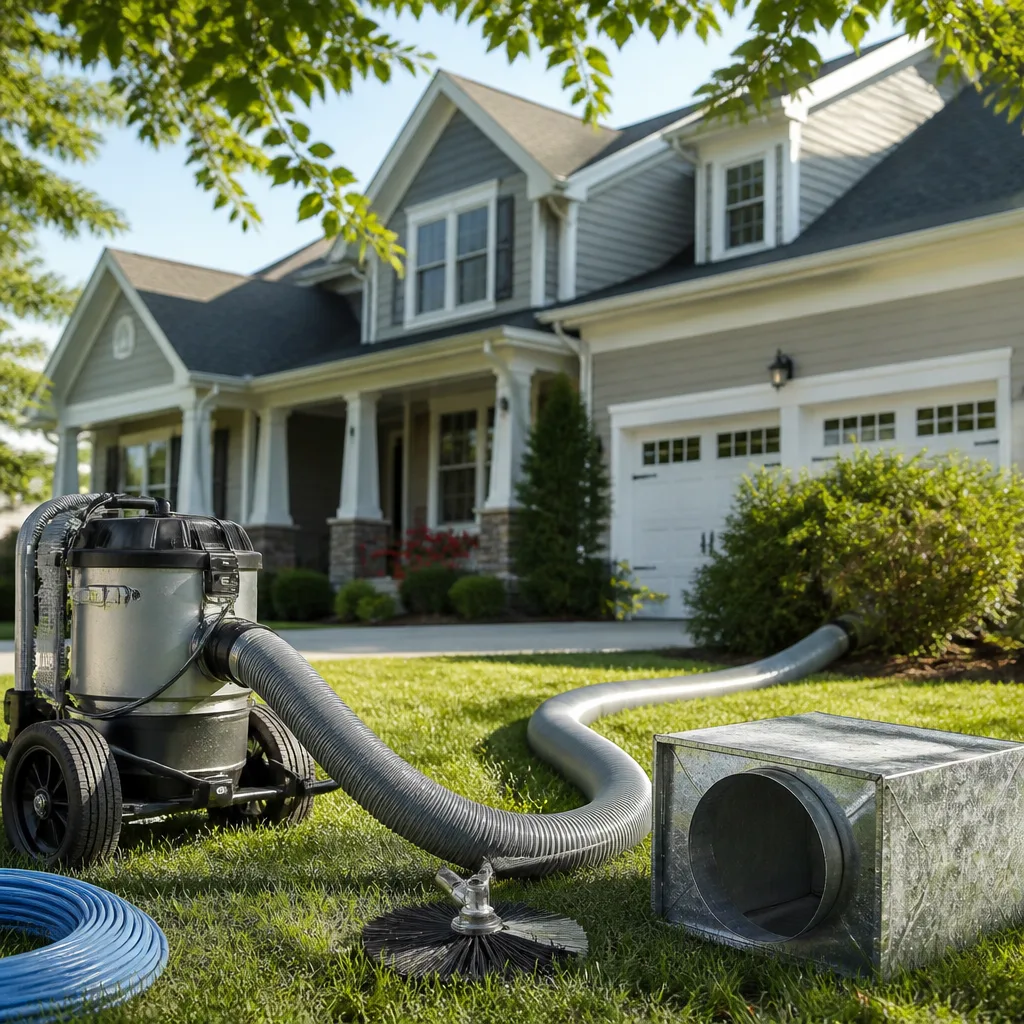 Whole-home duct cleaning
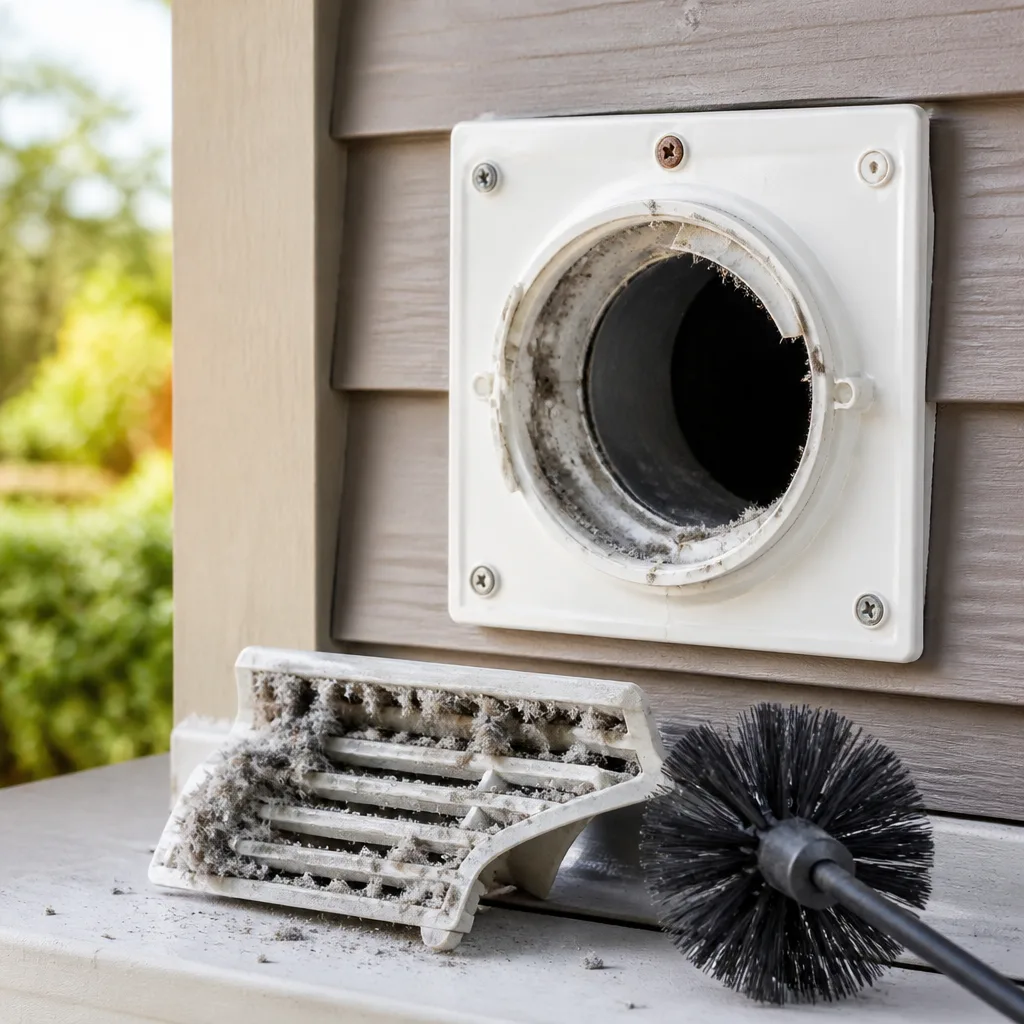 Dryer vent cleaning
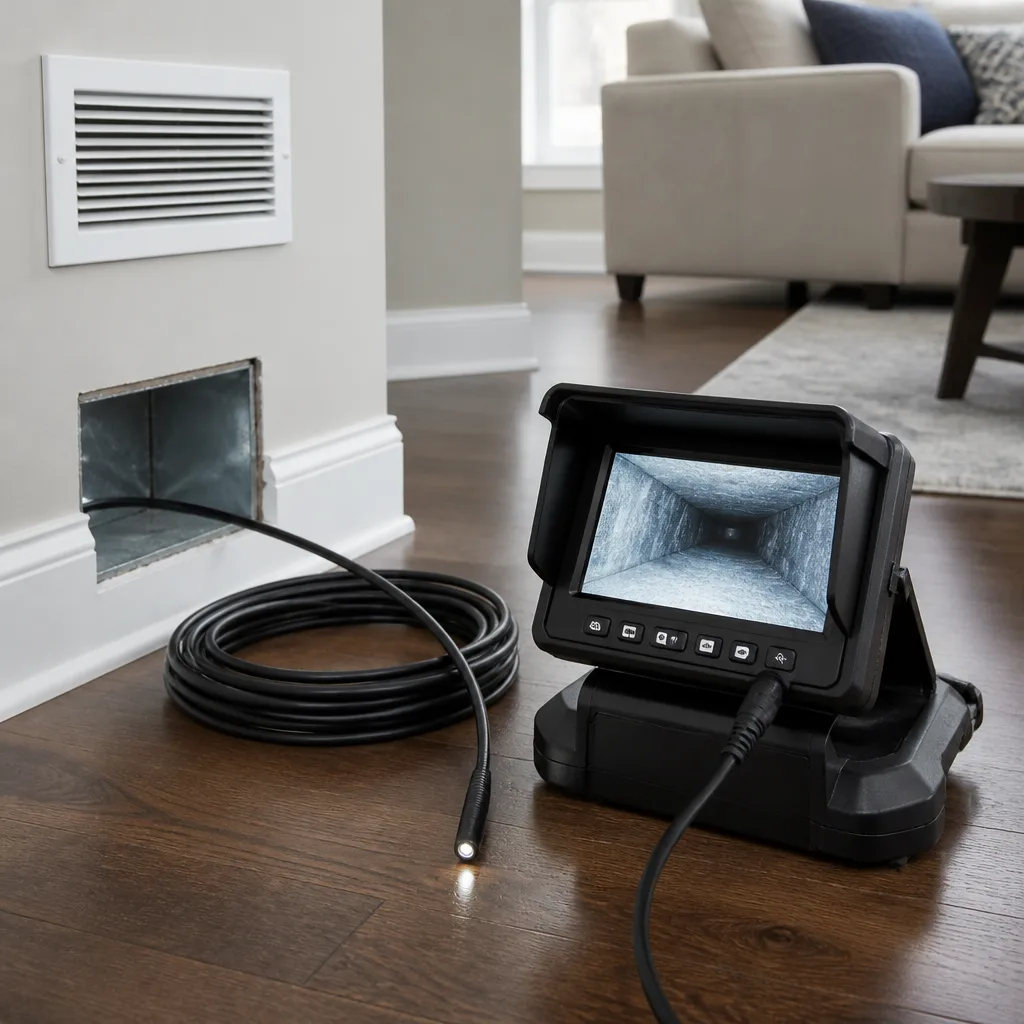 Camera inspection
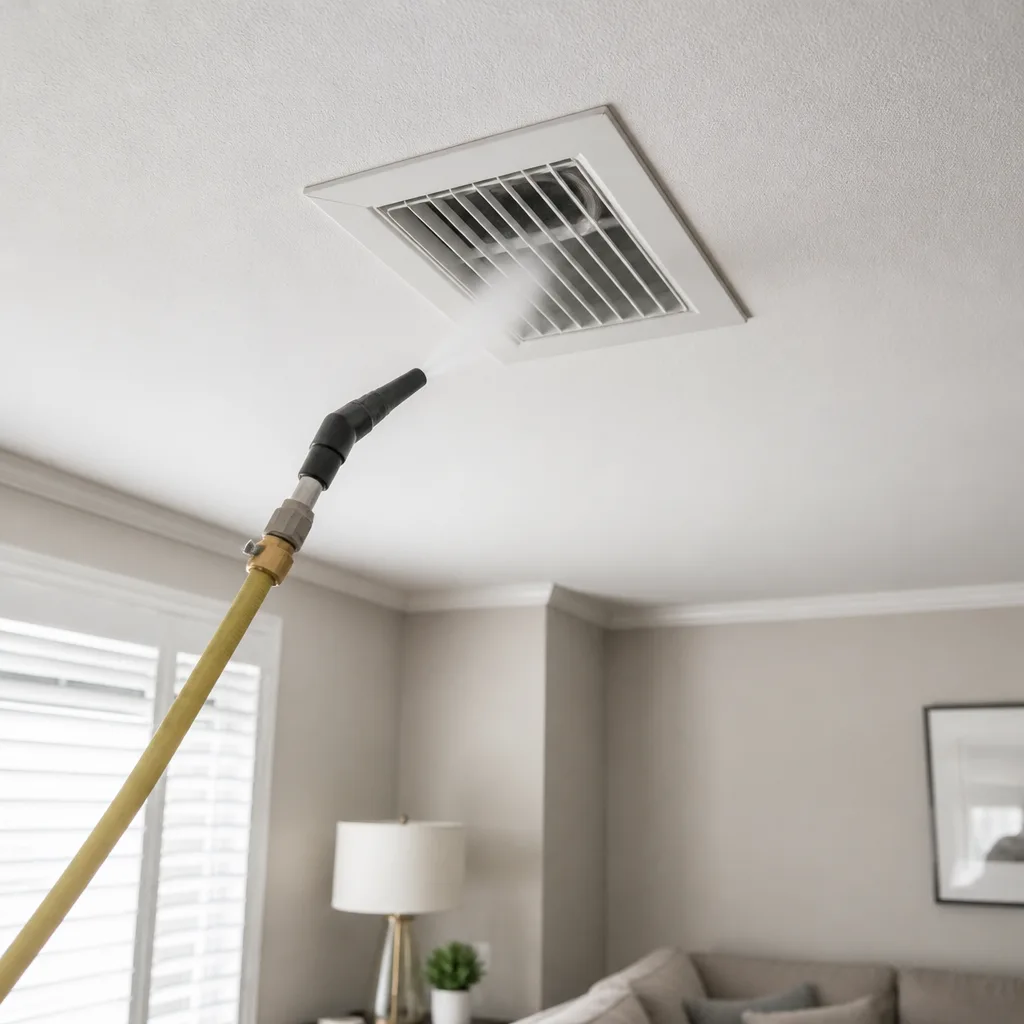 Sanitizing & deodorizing
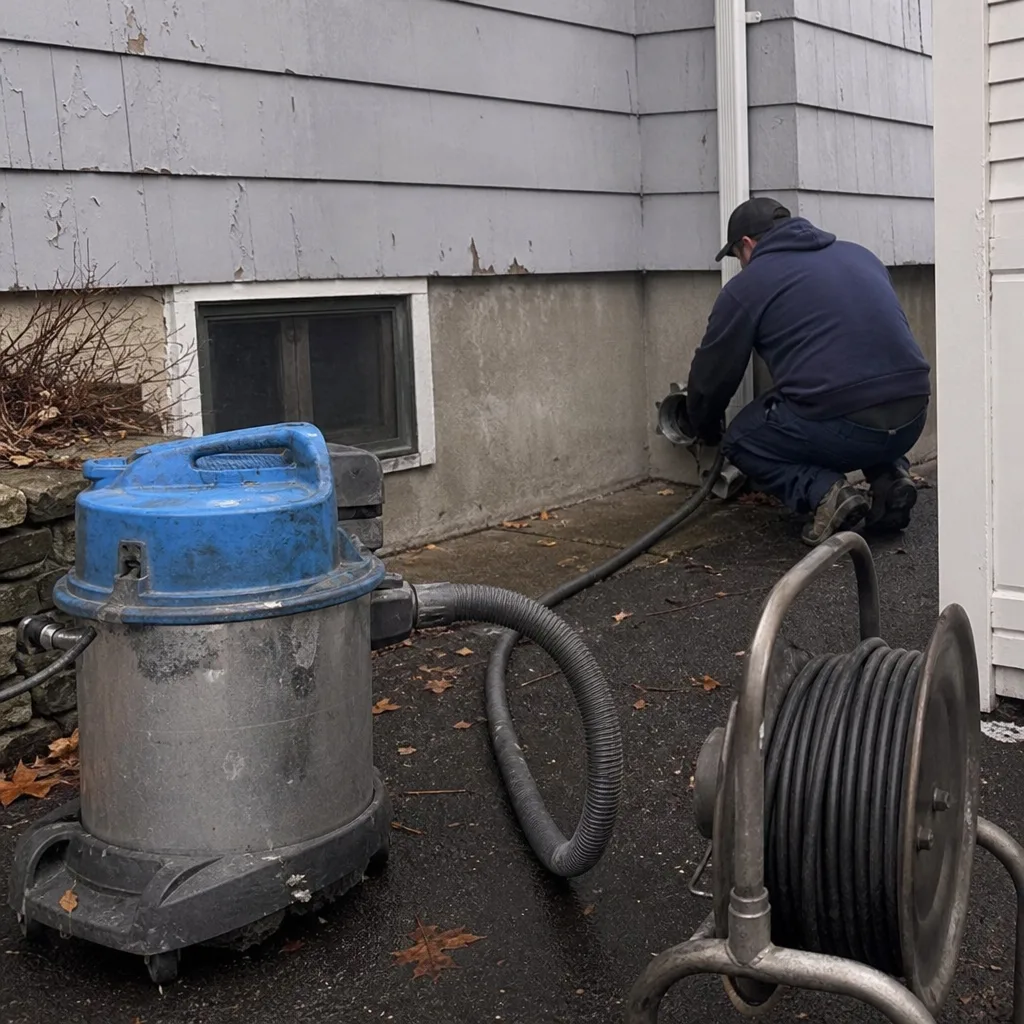
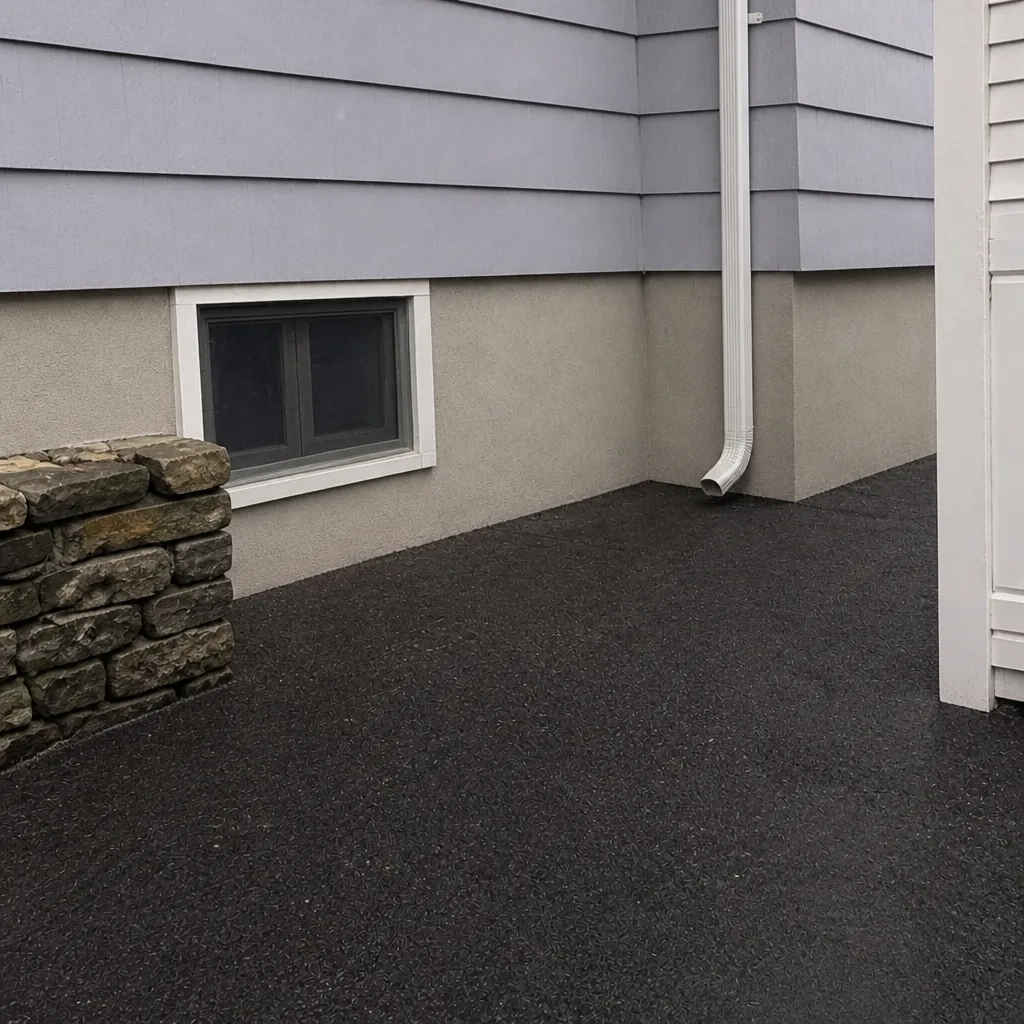
Whole-system duct and dryer vent check with before-and-after photos - you see exactly what came out of your vents
That "$99 whole-house special" is a bait ad - the real number appears once they are in your hallway, or the "clean" is a shop-vac at the register. We photograph the inside of your ducts before and after instead.
Air Duct Cleaning Troubleshooting in Stamford: Common Problems and How to Fix Them
If your rooms still smell musty or airflow is still uneven two weeks after a duct cleaning, the cleaning wasn’t the issue. Something structural in your duct system is. Most people in Stamford assume a dirty system is a cleaning problem, so they book a cleaning, pay for it, and end up with the same symptoms a month later. The truth is that a large share of what looks like contamination is actually leakage, blockage, or a design flaw that no amount of vacuuming will touch. This guide walks you through how to tell the difference using tests you can run yourself, which symptoms point to which mechanical causes, and when to re-clean, repair, or look at the HVAC unit instead.
Quick Answer
Duct problems in Stamford usually fall into one of three buckets: contamination (needs cleaning), leakage or blockage (needs repair), or equipment failure (needs an HVAC technician). If smell and dust come back within a few weeks of cleaning, or one room never gets the airflow the rest of the house does, the problem is almost always structural, not dirt. A camera inspection and a negative-pressure HEPA vacuum reveal which one you’re dealing with before anyone quotes a cleaning.
Styles & brands we work with
- Whole-home duct cleaning
- Dryer vent cleaning
- Camera inspection
- Sanitizing & deodorizing
Table of Contents
- Is It a Cleaning Problem or a Repair Problem?
- Airflow and Smell Tests You Can Run Yourself
- Symptom to Cause: What Each Sign Actually Means
- Why Older Stamford Homes Hide Duct Failures
- What a Negative-Pressure HEPA Vacuum Reveals
- The Decision Tree: Re-Clean, Repair, or Call an HVAC Tech
- Dryer Vents Are a Separate Problem
Is It a Cleaning Problem or a Repair Problem?
The fastest way to waste money on duct service is to pay for a cleaning when your problem is mechanical. Cleaning removes what’s inside the ducts. Repair fixes the ducts themselves. Those are two different jobs, and most duct cleaning companies only do the first one, which is why so many homeowners in Stamford end up calling a second company a month later.
Contamination problems share a signature. Dust accumulates steadily, there’s a visible layer on the register grilles, and the smell is mild and dust-like. Cleaning solves those. If the ducts are professionally cleaned, sealed, and put back under proper vacuum, the dust load drops and stays lower for a normal cycle.
Mechanical problems look almost identical from the outside but behave differently over time. The signs of a repair issue include:
- Smell that returns within days or weeks of a cleaning
- One room consistently cooler or warmer than the rest of the house
- Dust that reappears on furniture faster than it should after cleaning
- Whistling, rattling, or whooshing noises at specific vents
- A room that gets strong airflow when other rooms are closed off
- Visible sagging or kinked duct material in the basement or attic
Any two of those together point at a leak, a blockage, or a design flaw rather than dirt. When we run a full-system job under a negative-pressure containment setup, we see the difference immediately, because a properly sealed system holds vacuum and a leaking one pulls air from the crawlspace instead. If your system can’t hold a clean, steady draw, cleaning alone won’t fix the symptoms you’re paying to solve. That’s the gap our air duct cleaning service is built around, because we clean it and, if we find damage, we fix it on the same visit.
Airflow and Smell Tests You Can Run Yourself
Before you call anyone, run these tests. They take twenty minutes with a tissue and a notebook, and they tell you a lot about whether your problem is contamination or structure. Our technicians have up to 14 years of experience, and these are the same basic checks they start with.
Test 1: The Tissue Flow Test
- Turn the HVAC fan to “on” so it runs continuously without heating or cooling.
- Hold a single-ply tissue against each supply register grille.
- Note whether the tissue is pulled flat against the grille, flutters, or falls.
- Rank your registers from strongest to weakest airflow.
If one register barely holds the tissue while the rest pull hard, that register, or the branch line feeding it, is restricted, disconnected, or blocked. A whole-house weak flow, by contrast, points to a blower, filter, or main trunk issue rather than a single branch.
Test 2: The Room Close-Off Test
Close the doors to the weakest- airflow room and watch whether airflow at the other registers noticeably increases. If it does, the system is under-supplied and pressure is escaping through an open path, which usually means a disconnected duct or a leak that’s dumping conditioned air into a wall cavity or attic. That’s a repair job, not a cleaning job.
Test 3: The Smell Test
Sniff at a few supply registers while the fan runs, then sniff again after shutting the fan off for ten minutes. A smell that’s stronger with the fan on is being pushed out of the ducts or drawn in from a leak path. A smell that’s stronger with the fan off is coming from somewhere else entirely, like a damp basement, a bathroom exhaust, or a dead animal in a wall.
Test 4: The Dust Reset Test
Wipe a single shelf clean and do not touch it again for one week. On the same day the next week, look at the dust film. If it’s a uniformly light film, that’s normal. If it’s concentrated in one area of the room near a specific register, that register is likely leaking at the boot or the connection behind it, and it’s blowing dust into the room instead of delivering air.
Symptom to Cause: What Each Sign Actually Means
Symptoms in duct systems map to causes more reliably than most homeowners realize. Once you know what each one usually means, you can tell in five minutes whether you’re looking at a cleaning, a repair, or an HVAC call.
Persistent odor after cleaning
Smell that returns within two to four weeks of a cleaning usually has one of three causes: moisture in the system feeding microbial growth, a disconnected duct pulling air from a damp crawlspace or basement, or contamination in a section of duct the previous cleaning never reached. In Stamford homes with finished basements, the most common version of this is a return duct that’s drawing air from a damp subfloor space. Cleaning the ducts does nothing until the return path is repaired.
One room always cold (or always hot)
This is almost never a dirt problem. A single room with stubbornly weak airflow in a Stamford house usually has one of these behind it: a collapsed section of flex duct in the attic, a disconnected branch line behind a wall, a branch that was never properly sized when the system was extended, or a balancing damper that’s been closed for years and forgotten. A camera inspection tells you which one. A brush down the duct doesn’t.
Dust reappearing within days
Dust that returns to furniture faster than a normal cycle suggests the system is actively pulling dust in from a dirty source and pushing it back into the house. Common culprits are leaks in the return side of the system, an unsealed filter slot, a return that’s drawing from a dusty basement or garage, or a boot connection that’s separated behind a register. Cleaning doesn’t solve it because the dirt source is outside the ducts.
Whistling or whooshing at a vent
That noise is air being forced through a restriction. Common causes are undersized branch ducts, a partially closed damper, a crushed flex section, or a register that’s mismatched to the branch it’s on. When the whistle is loud enough to notice, the restriction is significant, and the room behind it is losing airflow every time the system runs.
Musty smell only in one room
A single-room musty smell usually points to a hidden moisture problem near that specific branch: a duct routed through a damp crawl space, a boot connection that’s been dampened by a roof or plumbing leak, or an exterior wall penetration that lets humid outdoor air into the duct path. The duct itself may be perfectly clean. The path around it isn’t.
Airflow that changes day to day
Flow that swings with the weather is usually a return-side leak that’s drawing more or less air depending on pressure differences between the house and the outside. It shows up most in Stamford’s humid summers and cold winters, when interior and exterior pressures diverge the most. A camera inspection and a pressure check reveal it in minutes.
Why Older Stamford Homes Hide Duct Failures
Stamford is an old city, and its housing stock carries diagnostic challenges you don’t find in newer construction. Pre-1990 colonials in neighborhoods like Shippan, Glenbrook, Springdale, and Belltown were often built with duct layouts that have since been extended, modified through multiple renovations, and retrofitted with flex duct in attics and crawl spaces. That history creates specific problems.
Flex duct doesn’t age well
Flexible duct, which is what most retrofit work from the 1980s and 1990s used, has an inner liner that can tear, sag, or fully collapse inside an attic or crawl space. From the living space above, a collapsed flex duct looks exactly like a dirty duct: weak airflow, dust near the register, no obvious mechanical problem. The only way to prove it is to inspect the duct from the inside with a camera. A brush cleaning pass will push a torn liner further out of shape and won’t tell you the tear was ever there.
Disconnected trunk lines hide behind walls and ceilings
An older Stamford home that’s had additions or kitchen remodels often has a trunk line that was cut and never reconnected properly. The system stays “balanced enough” to run, so nobody notices until the room on the far side of the disconnect never heats or cools right. Cleaning doesn’t fix a disconnected trunk. Repairing it does, and the repair usually takes less time than the cleaning job the homeowner was quoted.
Basement and crawl space returns pull from hidden spaces
Older homes often have return ducts that terminate in a basement or crawl space rather than a clean return grille in the living space. If that termination was never properly sealed, the system pulls air from wherever the basement gets air from, including under the house. That’s a structural issue with a duct path, and no amount of cleaning changes it.
Attic duct runs in older colonials
Hot attic conditions in summer and cold attic conditions in winter put more stress on duct connections than most homeowners realize. Seams that were taped decades ago come loose, and the loss is gradual enough that nobody notices until airflow drops noticeably in one room. In pre-1990 Stamford homes with attic runs, checking the connections is often the whole fix.
When we work in Stamford, these are the failures we look for before we quote a cleaning. If the ducts are sound, we clean them. If they’re not, we clean and repair, because handing the customer a referral to a second contractor is how a small problem becomes a bigger one.
What a Negative-Pressure HEPA Vacuum Reveals
The single biggest difference between a professional duct cleaning and a shop-vac crew isn’t the visible equipment. It’s what the job reveals while it’s being done. A negative-pressure HEPA vacuum system, like the Abatement Technologies setup we run, pulls the entire duct system under continuous containment during the cleaning. That has three consequences that matter for troubleshooting.
1. Leaks announce themselves
A sealed, sound duct system holds vacuum across the whole run. A leaking one can’t. The moment a system under negative pressure fails to hold a steady draw in one section, we know that section has a break, a disconnected joint, or a boot leak. A shop-vac crew running open air through the ducts has no way to see this, because they’re never putting the system under containment in the first place. They blow dust around and leave without ever knowing the return was leaking.
2. Contamination sources become visible
Under HEPA containment with a camera in the duct, we can see where the dirt is actually coming from. Light, even deposits along a whole run point to normal dust. Heavy deposits concentrated at one joint, one termination, or one return boot point to an outside dirt source that’s being pulled into the system. That’s the difference between “clean the ducts” and “seal that return, then clean the ducts.”
3. Damage shows up before the brush touches it
A negative-pressure setup lets us run a camera through the ducts and see torn flex liners, crushed sections, disconnected trunk joints, and collapsed flex runs before any cleaning equipment goes in. The customer gets a clear picture of what’s physically wrong before anyone quotes the job, and the cleaning is scheduled to work around the damage instead of pushing it further out of shape.
Rotobrush and Nikro systems do the cleaning. A camera inspection inside the contained system tells us what the cleaning is walking into. If it’s a Guardsman-treated system with a specific contamination pattern, we know that from the same inspection. None of that information is available from a crew running a shop vac through an open register.
The Decision Tree: Re-Clean, Repair, or Call an HVAC Tech
Once you know your symptoms, the decision is fairly mechanical. Run through this in order. Don’t skip ahead.
Step 1: Rerun the airflow and smell tests
If all four of the tests above come back clean, with even flow, no persistent smell, and no dust concentration near a specific register, you probably don’t have a duct problem. If one or more tests fail, keep going.
Step 2: Rule out equipment failure
A failing blower, a clogged evaporator coil, a dirty filter housing, or a failing air handler can look exactly like a duct problem. Before any duct work is quoted, confirm the equipment is delivering rated airflow to the plenum. If airflow at the plenum is weak, the problem is at the unit, and no amount of duct cleaning or repair changes it. That’s an HVAC technician’s job, not a duct service.
Step 3: Rule out blockage with a camera
If the system is delivering airflow properly at the plenum but losing it inside the ducts, a camera inspection tells you whether there’s a blockage (crushed flex, foreign object, collapsed run) or a leak (disconnected joint, torn liner, separated boot). Both are repair problems, not cleaning problems, and both are fixable with duct cleaning Stamford professionals who carry repair capability alongside the cleaning equipment.
Step 4: Decide between cleaning and repair
- Contamination only, system sound: clean the ducts. This is the case where cleaning alone solves your symptoms.
- Contamination plus damage: repair first, then clean. Cleaning a leaking system wastes the cleaning.
- Damage only, system otherwise clean: repair only. This is more common than most homeowners expect, especially in pre-1990 Stamford homes with flex duct retrofits.
- Equipment failure: HVAC technician. Duct work won’t solve it.
Step 5: Add air-quality upgrades only after the base problem is solved
Air filtration, humidity control, and aftermarket air-quality products work only when the duct system is sound. Installing filtration on a leaking duct system just means the filter is cleaning air the ducts are pulling from your crawl space. Once the system is repaired and clean, a whole-home upgrade like a Honeywell or Aprilaire filtration component actually does what it’s meant to do. That’s why we install those products as part of a repair-and-clean engagement, not as a standalone upsell.
Dryer Vents Are a Separate Problem
One common source of confusion when homeowners start troubleshooting duct problems: dryer vents are not part of the HVAC duct system, and they don’t share symptoms with it. A dryer vent clog doesn’t make rooms smell musty or reduce airflow at the supply registers. It makes clothes take longer to dry, makes the dryer body hot to the touch, and puts lint close to the heat source. That’s a fire safety problem, not an indoor air quality problem.
If your dryer takes more than one cycle to dry a normal load, or you notice lint accumulating around the outside vent flap, the vent line needs to be cleaned. It’s a short, liner-level obstruction, and it’s one of the few duct-adjacent cleaning jobs where getting it done is a safety issue rather than a comfort issue. Our dryer vent cleaning service handles those separately from the HVAC system. If you’re not sure which problem you’re dealing with, the symptom split is simple: things coming out of the supply registers are HVAC ducts. Things coming out of the dryer, or the wall vent behind it, are the dryer vent.
Common Mistakes to Avoid
- Booking a cleaning before running any airflow tests. Most homeowners in Stamford pay for cleaning on symptoms alone, without ever confirming the system holds vacuum or that one register isn’t drastically weaker than the rest. Twenty minutes of testing would have told them their problem was structural.
- Assuming a shop-vac crew “did the job wrong.” In many cases the cleaning was fine and the problem was never contamination. The mistake was booking the wrong service, not booking a bad crew.
- Repeating the cleaning after smell returns. A second cleaning on a leaking system produces the same symptoms within weeks. The money goes to the vacuum, not the fix. If smell returns after a proper clean, the next step is a camera inspection, not another cleaning.
- Ignoring flex duct in older Stamford homes. Flex duct retrofits in older colonials and capes routinely tear, sag, or collapse in attics and crawl spaces. A brush pass doesn’t catch that, and pushing a brush through a torn liner makes it worse.
- Adding an air-quality product before the ducts are sound. A filtration or humidity component installed on a leaking system doesn’t work because it’s processing mixed air. Solve the ducts first, then add the air-quality upgrade.
- Blaming the ducts for what is actually equipment failure. A failing blower or a clogged coil mimics a duct problem almost perfectly. Confirm the plenum is delivering rated airflow before anyone touches the ducts.
- Treating a hot dryer as a duct problem. A dryer that runs hot or takes two cycles is a vent problem, and it’s a fire hazard. It’s a separate call from duct cleaning.
See the difference
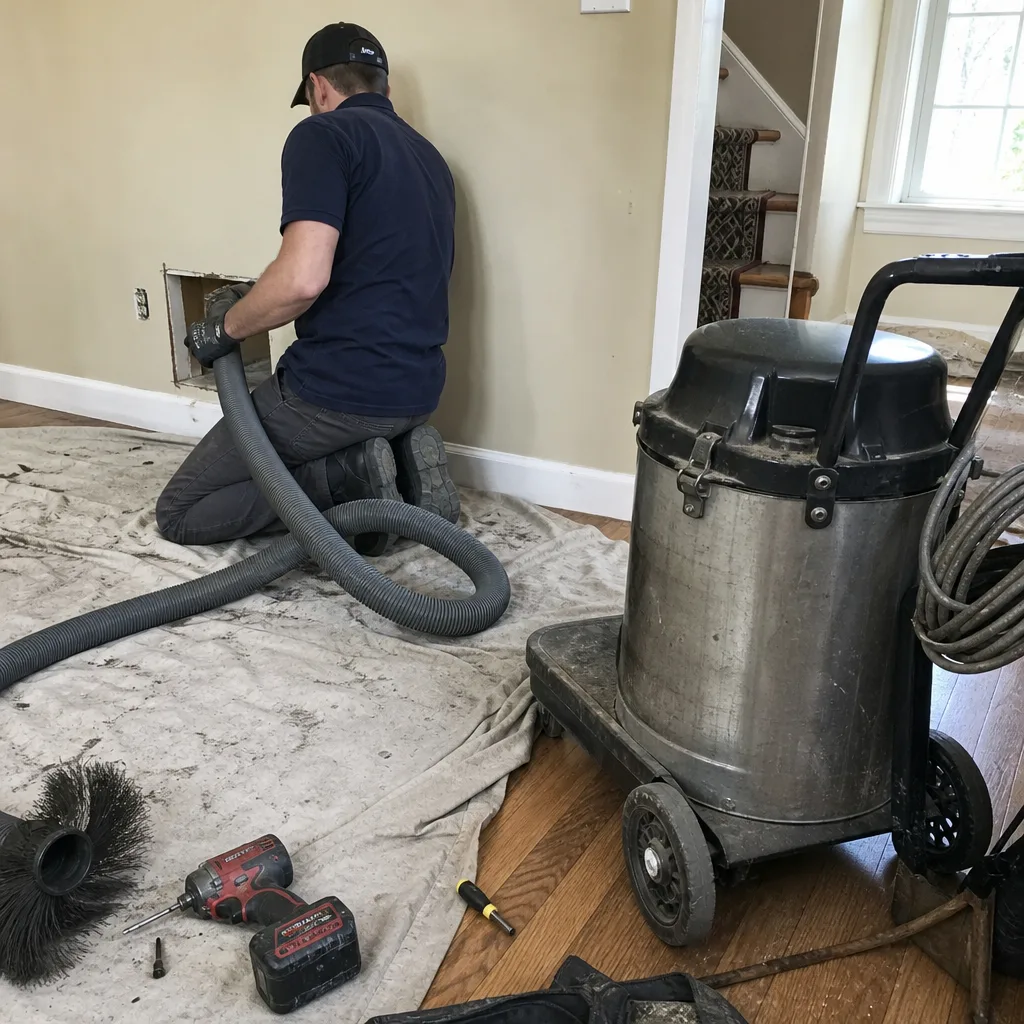 Before
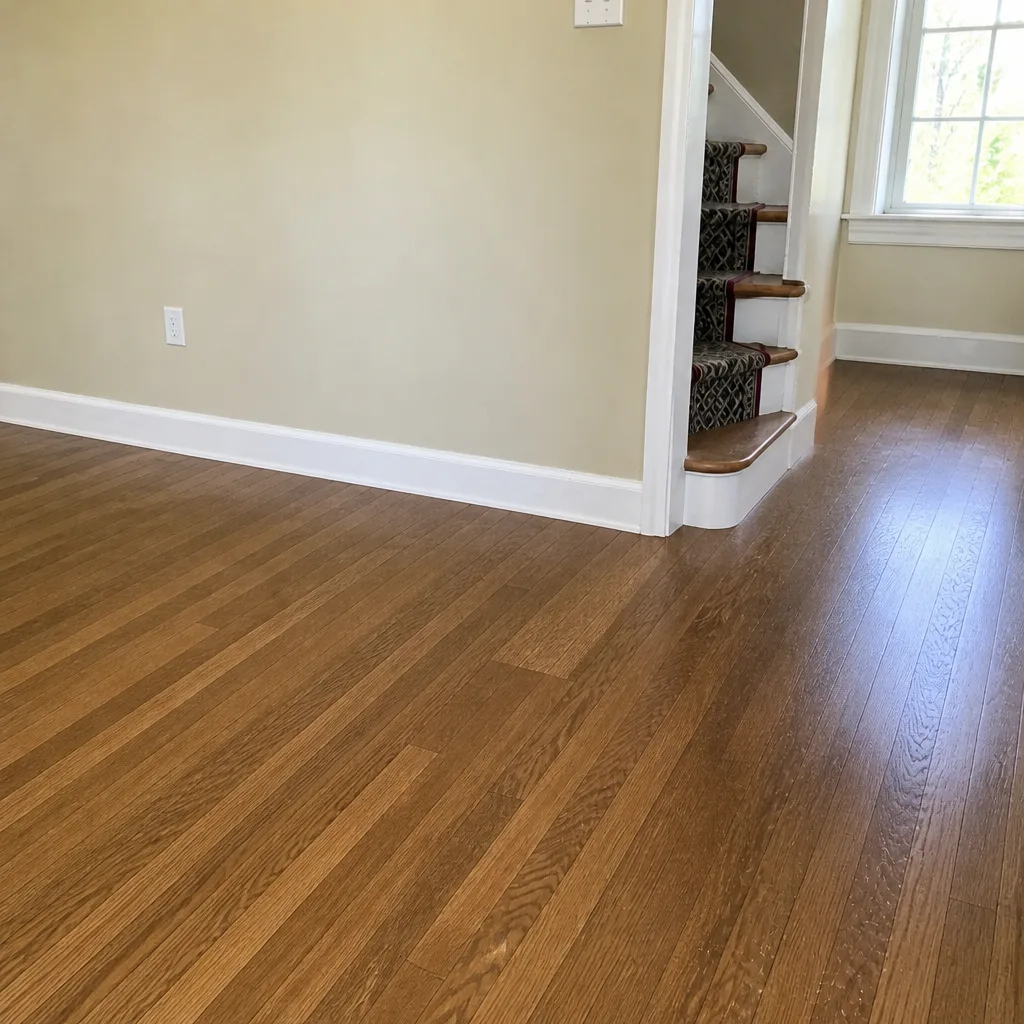 After
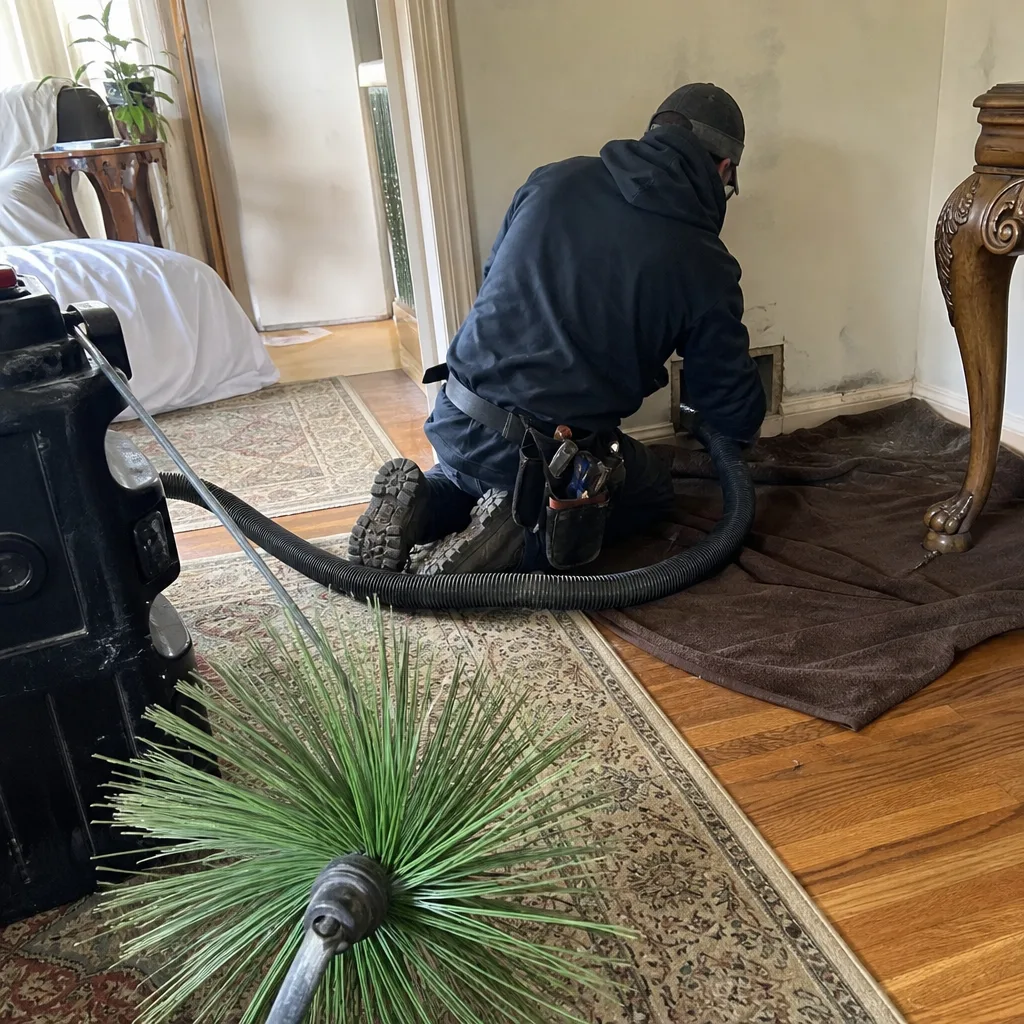 Before
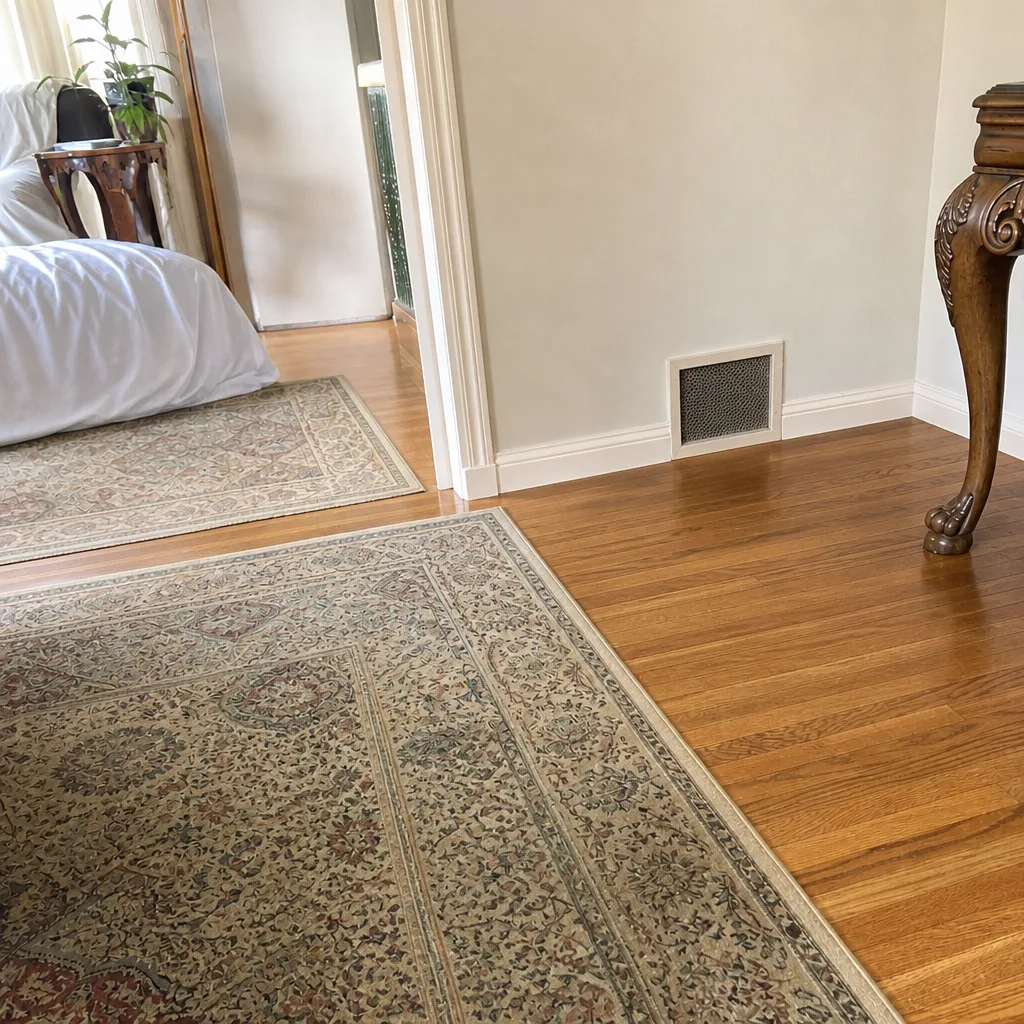 After
 Before
 After
When to Call a Professional
Call a professional when any of these apply: the smell keeps coming back after cleaning, one room never gets the airflow the rest of the house does, dust returns to furniture within days, you hear whistling or rattling at a register, a flex duct in the attic or crawl space looks crushed or disconnected, or you’ve just finished a renovation and want the system cleaned properly before you move back in. A camera inspection under negative-pressure containment answers most of these in a single visit, and if we find damage we repair it on the same job rather than handing you a referral. Duct Cleaning Stamford offers free estimates in Stamford. Call (855) 268-4131.
Frequently Asked Questions
Because the smell is coming from a duct defect the cleaning didn’t address, not from dirty ducts. A disconnected return, a torn flex liner, or a boot leak pulling air from a damp basement will keep feeding the same smell into the house no matter how clean the ducts themselves are. The next step is a camera inspection, not another cleaning. Call (855) 268-4131 for an exact quote on an inspection and estimate – estimates are free.
If airflow and dust patterns are even across the house and the smell is mild and dust-like, it’s likely a cleaning problem. If one room is consistently cold, smell returns quickly, or dust concentrates near a specific register, it’s likely a repair problem. Running the tissue test at each supply register takes twenty minutes and tells you which one you’re dealing with. Call (855) 268-4131 if you want help interpreting the results – estimates are free.
Cheap quotes are almost always built on a shop-vac setup with no containment, no camera inspection, and no repair capability. The equipment cost difference between professional-grade Rotobrush and Nikro systems and consumer-grade vacuums is real, and it’s reflected honestly in the quote. A cheap cleaning that doesn’t fix your problem means paying for the real fix twice. Call (855) 268-4131 for an exact quote with a written written estimate – estimates are free.
Ask the technician to show you what the camera saw inside the ducts before and after, and ask what pressure the system held during the job. A proper negative-pressure HEPA setup gives a real answer to that question; a shop-vac crew running through open registers can’t, because the system was never under containment. Call (855) 268-4131 to schedule a job with before-and-after photos – estimates are free.
For most Stamford homes on a normal cycle, cleaning is worth doing every few years, not on a fixed annual schedule. Homes that have just been renovated, that have pets or allergy sufferers, or that show signs of prior contamination benefit from shorter intervals, while a clean, well-sealed system in a newer home can go longer. The right interval depends on the system, not on a calendar. Call (855) 268-4131 for an exact quote – estimates are free.
Yes, and it happens more often than homeowners expect, especially with flex duct retrofits in pre-1990 homes in neighborhoods like Glenbrook and Springdale. A collapsed section shows up as weak airflow in one room and no visible dirt on the register grill. A camera inspection is the only reliable way to confirm it; a brush pass can’t. Call (855) 268-4131 to book an inspection – estimates are free.
The Bottom Line
Most duct “cleaning” problems in Stamford aren’t cleaning problems at all. If smell, dust, or a stubborn cold room comes back shortly after a cleaning, the ducts themselves are failing somewhere a vacuum can’t reach, most often through torn flex liners, disconnected trunk lines, and return-side leaks in older homes. Running the airflow and smell tests first tells you whether you need cleaning, repair, or an HVAC technician. A negative-pressure HEPA setup and a camera inspection during the job tell you which one before anyone spends your money on the wrong service. The right company cleans it and, if they find damage, fixes it. Call (855) 268-4131 for a free estimate. We answer 24/7. Fast dispatch from 7am to 7pm, Sunday through Friday.
Written by the team at Duct Cleaning Stamford.